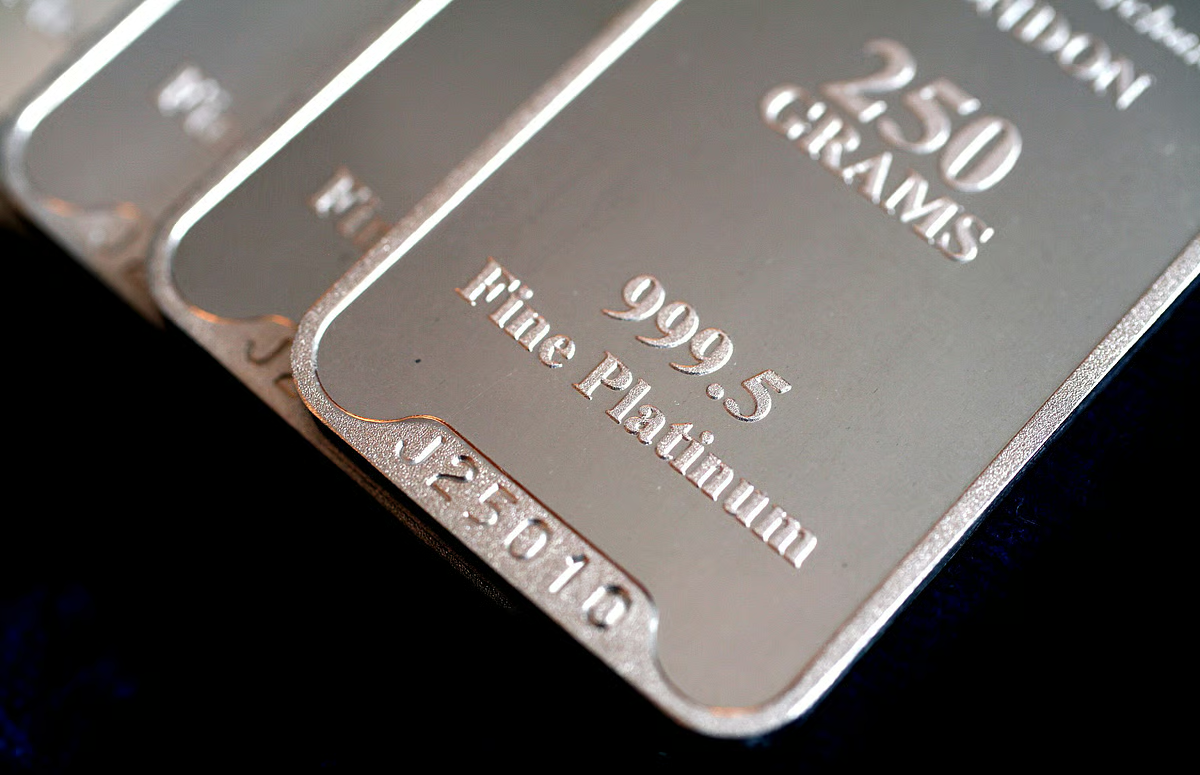

Platinum prices have surged to a 17-year high, driven by persistent supply disruptions in South Africa, the world’s leading producer, and increasing geopolitical concerns. The precious metal surpassed $2,000 an ounce, marking a 125% increase this year as a third consecutive annual deficit looms. These factors are impacting industries reliant on platinum, including automotive manufacturing, jewelry, and industrial applications.
The supply squeeze originates from heavy rainfall and operational challenges at key South African mines, which account for approximately 70% of global platinum production. According to Vijay Valecha, CIO at Century Financial, the market is experiencing a significant shortage, pushing prices upward. Demand remains robust, particularly from China, further exacerbating the supply-demand imbalance.
South African Disruptions Fuel Platinum Deficit
Heavy rains in South Africa earlier in the year significantly hampered mining operations, leading to reduced platinum output. Operational issues at major producers compounded the problem, creating a substantial shortfall in global supply. This disruption has had a ripple effect across industries that depend on the metal, forcing some users to lease rather than purchase due to high costs.
Impact on Key Industries
The automotive sector, a major consumer of platinum for catalytic converters, is particularly affected. Demand from China for these converters, driven by the growth of electric vehicles, is adding to the pressure. Jewelry manufacturers and industries utilizing platinum in chemical processes and glass production are also facing increased costs and potential supply constraints.
Geopolitical Risks and Chinese Market Activity Drive Price Increases
Beyond the supply-side issues, geopolitical tensions and trade policy uncertainties are contributing to the rally in platinum prices. Investors are increasingly stockpiling the metal as a safe-haven asset amid fears of new import duties and escalating trade conflicts. Wael Makarem, Lead Financial Markets Strategist at Exness, notes that geopolitics is becoming a key driver of commodity prices.
Additionally, the launch of platinum and palladium futures contracts on China’s Guangzhou Futures Exchange (GFEX) in late 2025 has injected further momentum into the market. The GFEX’s debut spurred significant trading activity and speculation, pushing London platinum prices higher. Makarem suggests that China’s growing demand for platinum and silver will continue to be a major influence in 2026.
The Role of Precious Metal Investment
The broader strength in precious metals markets, including record highs for gold and silver, is also supporting platinum prices. Investor interest across the sector is driving demand and contributing to stockpiling, particularly in the United States, as markets await the outcome of a Section 232 probe. This probe examines the potential impact of platinum imports on national security.
Meanwhile, demand for palladium, often used in conjunction with platinum in catalytic converters, remains strong. The interplay between these two metals adds another layer of complexity to the market dynamics. The US stockpiling is a direct response to potential tariffs, tightening supply outside of China.
Looking ahead, the market will be closely watching for developments in the Section 232 probe and any further escalation of trade tensions. The performance of the Chinese economy and the continued growth of the GFEX will also be key factors influencing platinum prices. The extent to which South African mining operations can recover from recent disruptions will be crucial in determining whether the supply deficit persists into 2026. Uncertainty remains regarding the long-term impact of these combined forces on the precious metals market.