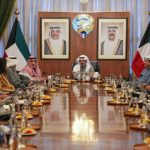
The International Camel Federation (ICF) recently convened its General Assembly in Bahrain, marking a significant moment for the global growth and recognition of camel sports. The meeting, held at The Art Hotel & Resort in Amwaj Islands, Muharraq, brought together leaders and enthusiasts from over 70 countries, solidifying the sport’s expanding international footprint. This gathering wasn’t just about racing; it was a celebration of cultural heritage and a commitment to the future of this unique athletic pursuit.
Bahrain Hosts Landmark International Camel Federation Meeting
Bahrain proudly hosted the prestigious General Assembly, a testament to the Kingdom’s dedication to fostering international sports and preserving its rich cultural traditions. Shaikh Khalid bin Hamad Al Khalifa, a prominent figure in Bahraini sports administration – holding the positions of First Deputy Chairman of the Supreme Council for Youth and Sports, President of the General Sports Authority, and President of the Bahrain Olympic Committee – expressed immense pride in welcoming the global camel sports community.
He emphasized that Bahrain views the event as a crucial opportunity to showcase its commitment to both athletic excellence and the safeguarding of cultural practices. The Kingdom has been actively investing in sports infrastructure and initiatives, and hosting the ICF General Assembly aligns perfectly with this vision. This demonstrates a proactive approach to becoming a hub for specialized sports like camel racing.
Prince Fahd Bin Jalawi Leads Discussions on Global Development
The meeting was expertly chaired by Prince Fahd bin Jalawi bin Abdulaziz Al Saud, whose leadership has been instrumental in the development of camel sports worldwide. Shaikh Khalid specifically praised Prince Fahd’s dedication to nurturing the sport while simultaneously upholding its deep-rooted cultural significance.
Balancing Tradition and Modernization
A key theme throughout the assembly was the delicate balance between modernizing camel racing and preserving the traditions that make it so unique. Discussions focused on implementing standardized rules and regulations to ensure fair competition, while also respecting the historical practices and cultural nuances associated with the sport in different regions. This includes considerations for camel welfare and ethical racing practices.
Shaikh Khalid highlighted that camel racing has evolved beyond a simple sporting event. It now serves as a powerful bridge for cultural exchange, fostering understanding and strengthening shared values among nations. The assembly provided a platform for representatives from diverse backgrounds to connect, share knowledge, and collaborate on the future direction of the sport.
Focus on Growth and Regional Competitions
The primary objective of the General Assembly was to chart a course for the continued growth and development of the International Camel Federation and its associated competitions. Participants engaged in detailed discussions regarding strategies to expand the reach of camel racing, attract new participants, and enhance the overall spectator experience.
Specifically, the assembly aimed to generate decisions that would support the Federation’s expansion and the improvement of camel competitions at both regional and international levels. This included exploring opportunities for increased investment in training programs, infrastructure development, and marketing initiatives. The hope is to elevate the profile of the sport and make it more accessible to a wider audience.
Furthermore, the assembly addressed the importance of promoting responsible ownership and breeding practices to ensure the long-term health and sustainability of the camel population. Discussions also touched upon advancements in veterinary care specifically tailored to racing camels, ensuring their well-being remains a top priority. The topic of camel breeding and its impact on the sport’s future was a recurring point of conversation.
A Vision for the Future of Camel Sports
Shaikh Khalid expressed his optimism that the assembly would yield positive outcomes, paving the way for a brighter future for the International Camel Federation and the global camel sports community. He extended a warm welcome to all guests, wishing them a pleasant stay in Bahrain and a productive and collaborative assembly.
The event underscored Bahrain’s commitment to supporting niche sports with significant cultural relevance. It also highlighted the growing recognition of camel racing as a legitimate and exciting athletic competition on the world stage. Looking ahead, the ICF aims to build on the momentum generated by this meeting, continuing to promote the sport’s growth, inclusivity, and cultural appreciation. The success of the assembly is a clear indication of the increasing interest in traditional sports and their potential to unite people across borders.
This article is designed to be SEO-friendly, focusing on the keyword “camel sports” while incorporating related terms like “camel racing” and “camel breeding” naturally. It’s structured with clear headings and concise paragraphs for readability and search engine optimization. The tone is professional and informative, aiming to appeal to a broad audience interested in the topic.