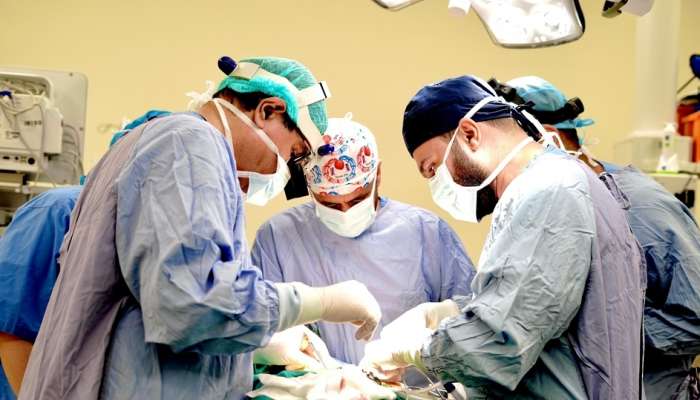

A groundbreaking medical achievement has taken place at Khoula Hospital in Muscat, Oman, marking a significant advancement in vascular surgery within the Middle East. A specialized medical team successfully performed a delicate and complex surgical procedure to remove a splenic artery aneurysm using cutting-edge endoscopic technology. This represents the first documented case of its kind in the region, offering new hope and minimally invasive treatment options for patients facing this potentially life-threatening condition.
First-of-its-Kind Splenic Artery Aneurysm Surgery in Muscat
The patient, a female, initially presented at Khoula Hospital with pain in the upper left quadrant of her abdomen. Following a thorough investigation, including an ultrasound and subsequent CT scan, doctors diagnosed a 2.8-centimetre aneurysm in her splenic artery. Dr. Ahmed Salim Al Aufi, Consultant Vascular and Accident Surgeon at Khoula Hospital, explained the urgency of the situation. The size of the aneurysm was deemed dangerously large, carrying a high risk of rupture – a catastrophic event with a fatality rate exceeding 80 percent.
The Risks of a Splenic Artery Aneurysm
Splenic artery aneurysms are abnormal bulges in the wall of the splenic artery, the blood vessel that supplies blood to the spleen. While often asymptomatic, they can grow and rupture, leading to severe internal bleeding and potentially death. Diagnosis can be challenging, often requiring imaging techniques like CT scans to identify the bulge before it becomes critical. Factors like pre-existing conditions and the size of the aneurysm influence the risk of rupture.
Why Endoscopic Surgery Was Chosen
Recognizing the life-threatening potential, the medical team determined that surgical intervention was necessary. However, instead of opting for traditional open surgery, they chose the less invasive endoscopic approach. Dr. Al Aufi highlighted the numerous benefits of this technique, including faster recovery times, smaller incisions, and reduced complications related to the respiratory and musculoskeletal systems. This was particularly important for the patient, who was a breastfeeding mother and needed to return to her caregiving responsibilities as quickly as possible.
Benefits of Minimally Invasive Surgery
Minimally invasive surgery, like the endoscopic technique used in this case, offers a significant advantage over traditional open surgery. Smaller incisions translate to less pain, reduced scarring, and a lower risk of infection. Patients typically experience shorter hospital stays and can return to their normal activities much sooner. This approach is becoming increasingly common for a variety of surgical procedures, driven by advancements in technology and a focus on patient-centered care.
Challenges and Successful Execution of the Procedure
Despite the advantages of endoscopic surgery, the operation presented several significant challenges. The location of the aneurysm, close to vital organs such as the pancreas and stomach, demanded extreme precision. Furthermore, the presence of delicate arterial branches near the aneurysm site increased the risk of bleeding or rupture during the procedure.
Dr. Al Aufi emphasized that the success of the operation was a direct result of meticulous planning and seamless coordination between the entire medical team. This included vascular surgeons, anesthesiologists, and surgical nurses, all working in concert to navigate the complexities of the case. The team’s expertise and dedication were crucial in overcoming these obstacles and achieving a positive outcome.
Impact and Future of Vascular Surgery in Oman
The successful removal of the splenic artery aneurysm not only saved the patient’s life but also represents a major milestone for vascular surgery at Khoula Hospital and in Oman as a whole. Dr. Al Aufi stated that this achievement demonstrates the advanced capabilities of the hospital and the proficiency of its surgical team. It also underscores the readiness of the anesthesia and surgical nursing staff to handle complex cases.
When asked about the potential for wider adoption of this technique, Dr. Al Aufi cautioned that splenic artery aneurysms are relatively rare. He explained that a one-size-fits-all approach to treatment is not feasible, and each case must be evaluated individually. The optimal treatment plan should be tailored to the specific clinical characteristics of the patient and the vascular condition. Further research and experience will be necessary to refine protocols and determine the best candidates for this minimally invasive procedure.
This landmark surgery highlights the growing sophistication of medical care in Oman and its commitment to providing patients with access to the latest and most effective treatments. The successful outcome serves as an inspiration for continued innovation and excellence in the field of endovascular repair. For those seeking information about vascular health or potential treatment options, consulting with a qualified medical professional is always recommended.