






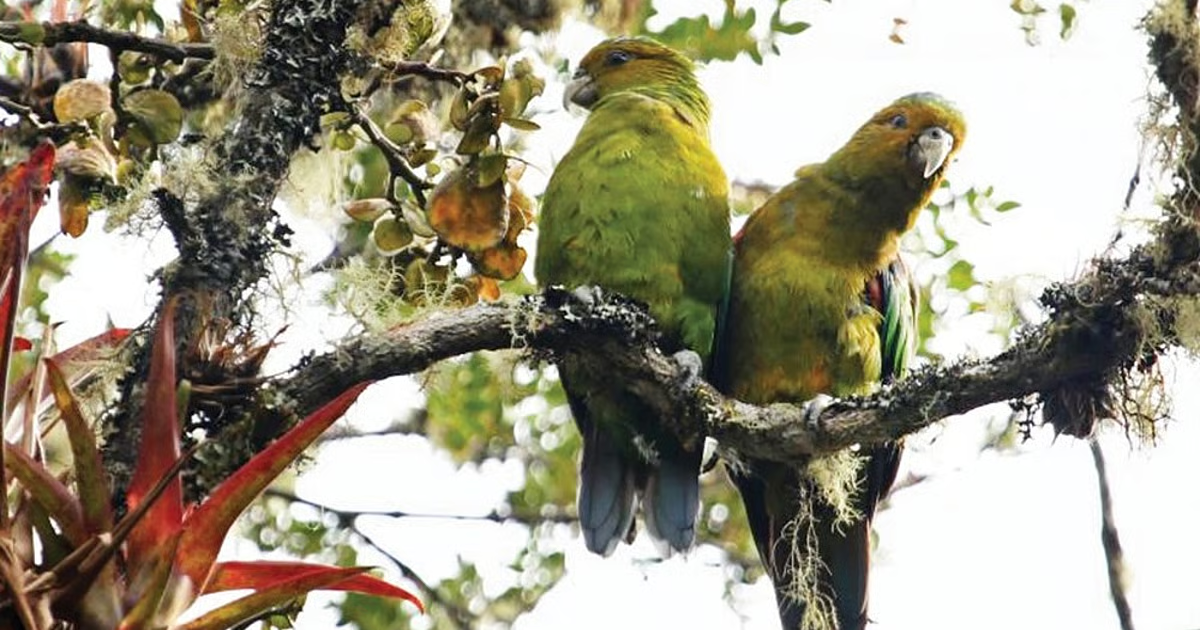

A significant investment in global biodiversity has been announced, with funding allocated to 206 projects dedicated to species conservation. The grants, distributed recently, will support initiatives focused on protecting animals and plants within their natural environments. This latest round brings the total number of projects funded by the program to over 3,100 since its inception, demonstrating a long-term commitment to preserving the planet’s biological heritage.
The funding was provided through a dedicated conservation fund, with projects spanning numerous countries and ecosystems. These initiatives aim to address the escalating threats to wildlife, including habitat destruction, climate change, and poaching. The announcement highlights the importance of collaborative efforts in tackling the biodiversity crisis and ensuring the survival of vulnerable populations.
The Focus of the New Species Conservation Grants
The 206 newly funded projects represent a diverse range of approaches to species conservation. A core component of the funding supports on-the-ground efforts to protect species in their natural habitats. This includes establishing and maintaining protected areas, combating illegal wildlife trade, and mitigating human-wildlife conflict.
Restoring Degraded Ecosystems
Beyond direct species protection, a substantial portion of the grants is allocated to ecosystem restoration. Degraded ecosystems are less resilient to environmental changes and offer diminished support for wildlife. Projects will focus on reforestation, wetland rehabilitation, and the removal of invasive species to improve habitat quality and connectivity.
Strengthening Scientific Monitoring
Effective conservation relies on robust scientific data. The funding will bolster scientific monitoring programs, allowing researchers to track population trends, assess the impact of threats, and evaluate the effectiveness of conservation interventions. This data-driven approach is crucial for adapting strategies and maximizing conservation outcomes.
Additionally, the grants prioritize empowering local communities. Recognizing that local people are often the most effective stewards of their environment, the program supports initiatives that provide sustainable livelihoods linked to conservation. This includes ecotourism, sustainable agriculture, and community-based natural resource management.
A History of Investment in Biodiversity
The recent announcement builds upon a sustained history of investment in global biodiversity. With over 3,100 projects funded to date, the conservation fund has become a major player in supporting a wide array of conservation efforts worldwide. The ministry responsible for the fund stated that these projects have demonstrably contributed to the recovery of endangered species and the preservation of critical habitats.
The fund’s approach has evolved over time, incorporating lessons learned from past projects and adapting to emerging challenges. Initially focused primarily on large flagship species, the program now recognizes the importance of conserving entire ecosystems and addressing the underlying drivers of biodiversity loss. This shift reflects a growing understanding of the interconnectedness of life on Earth.
The scope of the funded projects is broad, encompassing mammals, birds, reptiles, amphibians, and even rare plant species. This comprehensive approach acknowledges that biodiversity encompasses all forms of life and that protecting each component is essential for maintaining ecosystem health. The increasing threats posed by climate change and habitat loss are key considerations in project selection, according to the fund’s guidelines.
Strategic Partnerships Enhance Impact
The conservation fund does not operate in isolation. It actively cultivates strategic partnerships with international organizations, research institutions, and non-governmental organizations (NGOs). These collaborations leverage expertise, resources, and networks to amplify the impact of conservation efforts. For example, partnerships with organizations specializing in anti-poaching techniques are helping to combat illegal wildlife trade in several regions.
These partnerships also facilitate knowledge sharing and capacity building. By working with local organizations, the fund helps to strengthen conservation capacity within communities and countries. This ensures that conservation efforts are sustainable and locally owned. The fund’s website details several ongoing collaborations with groups focused on wildlife protection and habitat restoration.
In contrast to solely funding projects, the fund also invests in broader initiatives aimed at addressing systemic threats to biodiversity. This includes supporting policy advocacy efforts, promoting sustainable land-use planning, and raising public awareness about the importance of conservation. These efforts are designed to create a more enabling environment for biodiversity conservation.
The fund’s commitment to environmental sustainability is evident in its emphasis on long-term monitoring and evaluation. Projects are required to report regularly on their progress and demonstrate their impact on biodiversity. This accountability ensures that funds are used effectively and that conservation outcomes are measurable. The report indicates a growing trend towards incorporating climate resilience into project designs.
Looking ahead, the fund is expected to announce its priorities for the next funding cycle in early 2024. The focus will likely remain on supporting innovative and impactful projects that address the most pressing threats to biodiversity. A key area of interest will be scaling up successful conservation models and replicating them in other regions. The long-term success of conservation efforts will depend on continued investment and collaboration.
The fund will also be evaluating the effectiveness of its current grant-making process, with a potential review of application criteria and reporting requirements. Monitoring the impact of these changes, and the overall trajectory of biodiversity loss, will be crucial in the coming years.