






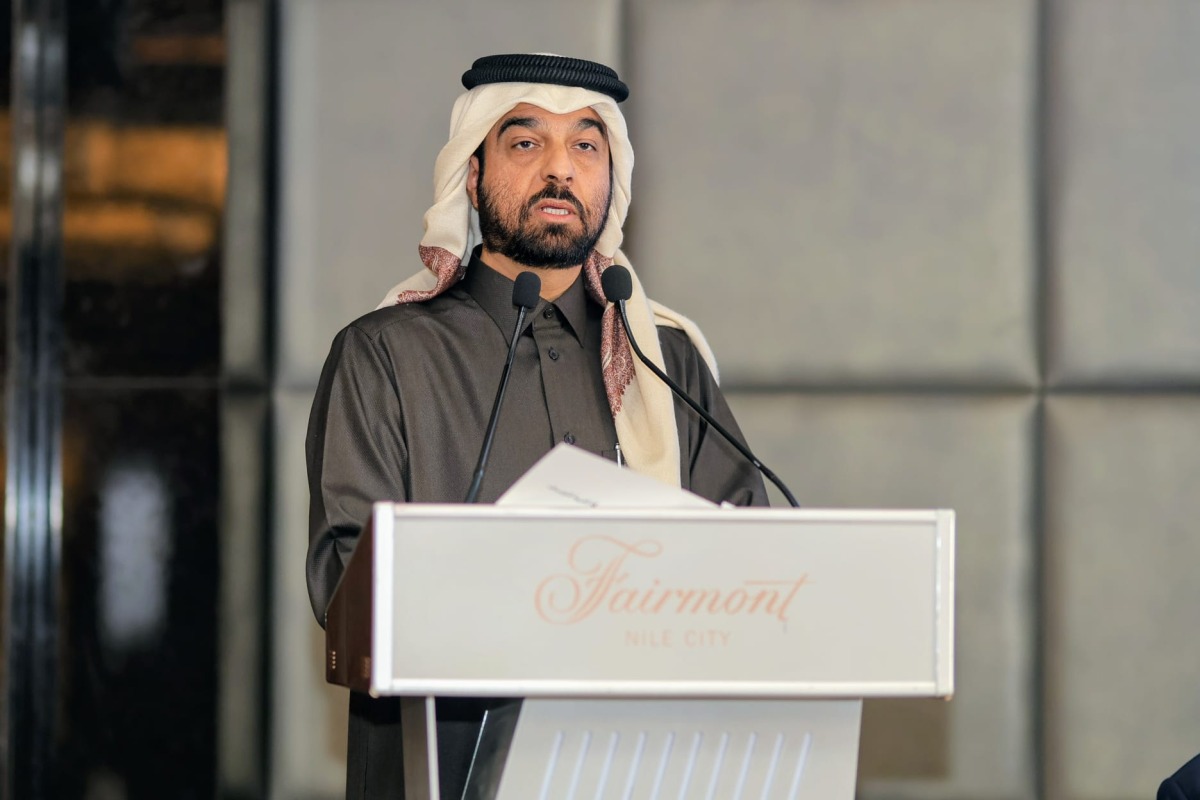

The Arab Network of National Human Rights Institutions (ANNHRIs) has reiterated its commitment to advocating for Palestinian rights amidst ongoing conflict and alleged human rights violations. Secretary-General Sultan bin Hassan Al Jamali emphasized the collective responsibility to hold perpetrators accountable and support the Palestinian people’s right to self-determination during a ceremony in Cairo. This call to action comes as the ANNHRIs also concluded its sixth annual “Mohamed Fayek Course” on human rights, aimed at strengthening regional capacity in the field.
The ANNHRIs honored Dr. Ahmed Aboul Gheit, Secretary-General of the League of Arab States, recognizing his leadership on regional issues, including the protection of human rights. Al Jamali’s address underscored the urgency of addressing the situation in Palestine, citing the prolonged siege and the reported erosion of Palestinian identity as key concerns. The event highlighted the importance of unified Arab efforts and international legal mechanisms in achieving justice and lasting peace.
Strengthening National Human Rights Systems
The “Mohamed Fayek Course,” held in cooperation with Egypt’s National Council for Human Rights, serves as a foundational training program for new members of national human rights institutions across the Arab region. According to Al Jamali, these institutions are uniquely positioned to bridge the gap between state obligations and the realities faced by civil society. This role is crucial for ensuring national legislation aligns with international human rights standards.
The Role of National Institutions
National human rights institutions play a vital role in monitoring the implementation of human rights recommendations and engaging with international bodies. They act as independent observers, providing critical analysis and advocating for improvements in human rights practices. This function is particularly important in contexts where civil society space is restricted or where governments face challenges in fulfilling their human rights obligations.
The course, named after the prominent human rights advocate Mohamed Fayek, aims to build a coherent national human rights system by developing the skills of emerging professionals. Mahmoud Karem, Vice President of Egypt’s National Council for Human Rights, noted that Fayek’s legacy provides invaluable practical expertise for future generations working in the field of human rights. The training focuses on practical application of international law and effective advocacy strategies.
The ANNHRIs was established to promote cooperation and coordination among national human rights institutions in the Arab world. It provides a platform for sharing best practices, addressing common challenges, and advocating for human rights at the regional and international levels. The network’s work is increasingly relevant given the complex political and social landscape of the region, which is marked by ongoing conflicts and authoritarian tendencies.
The focus on Palestinian rights reflects a broader concern within the Arab world regarding the ongoing Israeli-Palestinian conflict. International organizations, including the United Nations, have repeatedly expressed concern over alleged violations of international humanitarian law and human rights law in the occupied Palestinian territories. The ANNHRIs’ call for accountability aligns with these concerns and underscores the need for independent investigations into reported abuses. Relatedly, the network has previously addressed issues of special rapporteurs and their access to conflict zones.
The ANNHRIs’ efforts also come at a time when the concept of human security is gaining prominence. This approach emphasizes the protection of individuals from a wide range of threats, including violence, poverty, and environmental degradation. Strengthening national human rights institutions is seen as a key component of building human security in the Arab region.
Looking ahead, the ANNHRIs is expected to continue its advocacy work on behalf of the Palestinian people and to expand its training programs for national human rights institutions. The effectiveness of these efforts will depend on the willingness of governments in the region to cooperate and to uphold their human rights obligations. The network’s next major initiative, planned for early 2024, will focus on developing a regional action plan to combat torture and ill-treatment, but its implementation remains contingent on securing sufficient funding and political support.