






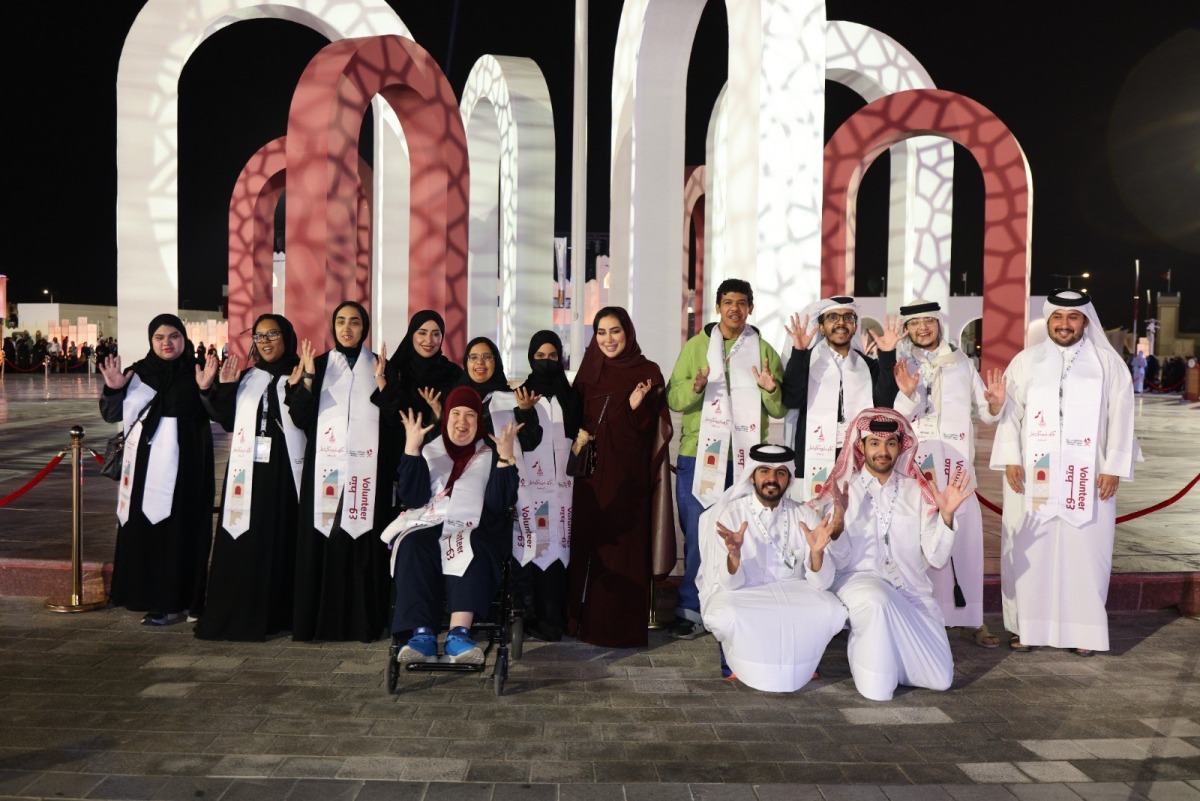

Doha, Qatar – The Qatar Career Development Center (QCDC), a member of Qatar Foundation, recently concluded its 2025 “EmpowerAbility” program, a key initiative focused on career development for young people with disabilities. The program leveraged the high-profile Qatar National Day celebrations as a practical training environment, aiming to foster greater inclusion in the Qatari workforce. This year’s edition saw collaboration with numerous national partners to provide real-world experience and support.
The program, which ran throughout the recent Qatar National Day festivities, involved participants in a variety of roles supporting the events. These roles were designed in partnership with organizations like Qatar National Bank, Qatar Voluntary Center, and Al Hazm Group, offering opportunities to apply learned skills and demonstrate capabilities to the wider community. The initiative underscores Qatar’s commitment to social inclusion and a diversified economy.
EmpowerAbility: Bridging the Gap in Career Development
QCDC’s “EmpowerAbility” program is designed to address the unique challenges faced by individuals with disabilities as they navigate the job market. According to QCDC Executive Director Saad Abdulla Al-Kharji, the program aims to demonstrate that these young people are integral to Qatar’s society and contribute meaningfully to its progress. This year’s focus on Qatar National Day provided a visible platform for this demonstration.
Training and On-Site Support
The program’s structure combines intensive classroom training with direct practical experience. Prior to participating in Qatar National Day events, individuals received focused instruction in essential workplace skills. These included communication, teamwork, self-advocacy, customer service, and understanding event protocols.
This preparation was delivered in collaboration with specialized partners, ensuring a tailored learning experience. Crucially, QCDC career counselors and trainers were present at the National Day activations to provide ongoing guidance, assist with problem-solving, and facilitate real-time reflection on the participants’ experiences. This support system is a vital component of the program’s success.
Alignment with National Vision
EmpowerAbility is not an isolated effort but rather a component of QCDC’s broader strategy to support individuals with disabilities and learning difficulties. The program directly supports the goals outlined in Qatar National Vision 2030, which prioritizes human development and social inclusion as cornerstones of national advancement.
Additionally, the initiative contributes to the development of a diverse and skilled workforce, a key requirement for Qatar’s future economic growth. The focus on practical skills and real-world application aims to equip participants with the tools they need to succeed in competitive employment sectors, including those related to inclusive employment.
The program’s success relies heavily on the partnerships forged with various organizations across Qatar. These collaborations provide not only job opportunities but also a supportive network for participants. Qatar National Bank, for example, offered roles that allowed participants to interact directly with the public, building confidence and experience. The Qatar Voluntary Center provided opportunities for community engagement and skill development.
The emphasis on self-advocacy training is particularly noteworthy. This component empowers participants to articulate their needs and strengths in the workplace, fostering a more inclusive and understanding environment. This is a critical step towards overcoming systemic barriers to job opportunities for people with disabilities.
Looking ahead, QCDC is expected to continue expanding the “EmpowerAbility” program and exploring new avenues for collaboration. Future iterations may focus on specific industry sectors or target different demographics within the disability community. The long-term impact of the program will depend on sustained funding and ongoing commitment from both government and private sector partners. Monitoring the employment rates of program graduates and gathering feedback from employers will be crucial for assessing its effectiveness and making necessary adjustments.
The next steps involve a comprehensive evaluation of the 2025 program, with a report anticipated in early 2026. This report will likely inform the planning for future initiatives and identify areas for improvement in supporting the career integration of young people with disabilities in Qatar.