







Rocket Lab has secured its largest contract to date, an $816 million agreement with the U.S. Space Development Agency (SDA). The deal, announced Friday, will see the company design and manufacture 18 satellites equipped with advanced sensors for missile detection and tracking. This significant win underscores Rocket Lab’s growing role in the defense sector and its diversification beyond launch services.
The contract focuses on the SDA’s Tracking Layer Tranche 3 program, aiming to bolster the nation’s capabilities in space-based missile warning and defense. Rocket Lab USA, the company’s American subsidiary, was awarded the prime contract. This award builds upon a previous $515 million agreement for the Transport Layer-Beta Tranche 2 program, bringing Rocket Lab’s total contracts with the SDA to over $1.3 billion.
Rocket Lab’s Expanding Role in Space Defense
This latest contract represents a major step in Rocket Lab’s strategic shift towards becoming a comprehensive space systems provider. Initially known primarily as a small satellite launch company, Rocket Lab has actively expanded its capabilities to include satellite design, manufacturing, and operations. This vertical integration allows the company to offer end-to-end solutions to government and commercial customers.
The SDA was established in 2019 to accelerate the development and fielding of advanced space capabilities. Its focus is on procuring and deploying constellations of satellites in low Earth orbit (LEO) to support various national security missions. The Tracking Layer, specifically, is designed to provide a persistent, global tracking of advanced missile threats.
The Importance of Tranche 3
Tranche 3 of the Tracking Layer represents a significant advancement in the SDA’s approach to missile detection. According to the agency, this tranche will utilize more sophisticated sensors and algorithms to improve tracking accuracy and responsiveness. The 18 satellites Rocket Lab will build are intended to contribute to this enhanced capability.
The sensors onboard these satellites will be crucial for detecting and tracking hypersonic weapons, a growing concern for national security officials. Hypersonic missiles travel at speeds exceeding Mach 5, making them difficult to intercept with traditional defense systems. Space-based sensors offer a unique vantage point for early detection and tracking of these threats.
Additionally, the contract highlights the increasing demand for resilient space-based infrastructure. Traditional, high-altitude satellite constellations are vulnerable to attack or disruption. LEO constellations, like those being developed by the SDA, are designed to be more distributed and therefore more difficult to disable.
Beyond Launch: Diversification and Future Opportunities
Rocket Lab’s success in securing these SDA contracts demonstrates the company’s ability to compete for large-scale government programs. This is a departure from its earlier focus on smaller, dedicated launches for commercial customers. The company has been actively investing in its manufacturing capacity and engineering expertise to support these larger initiatives.
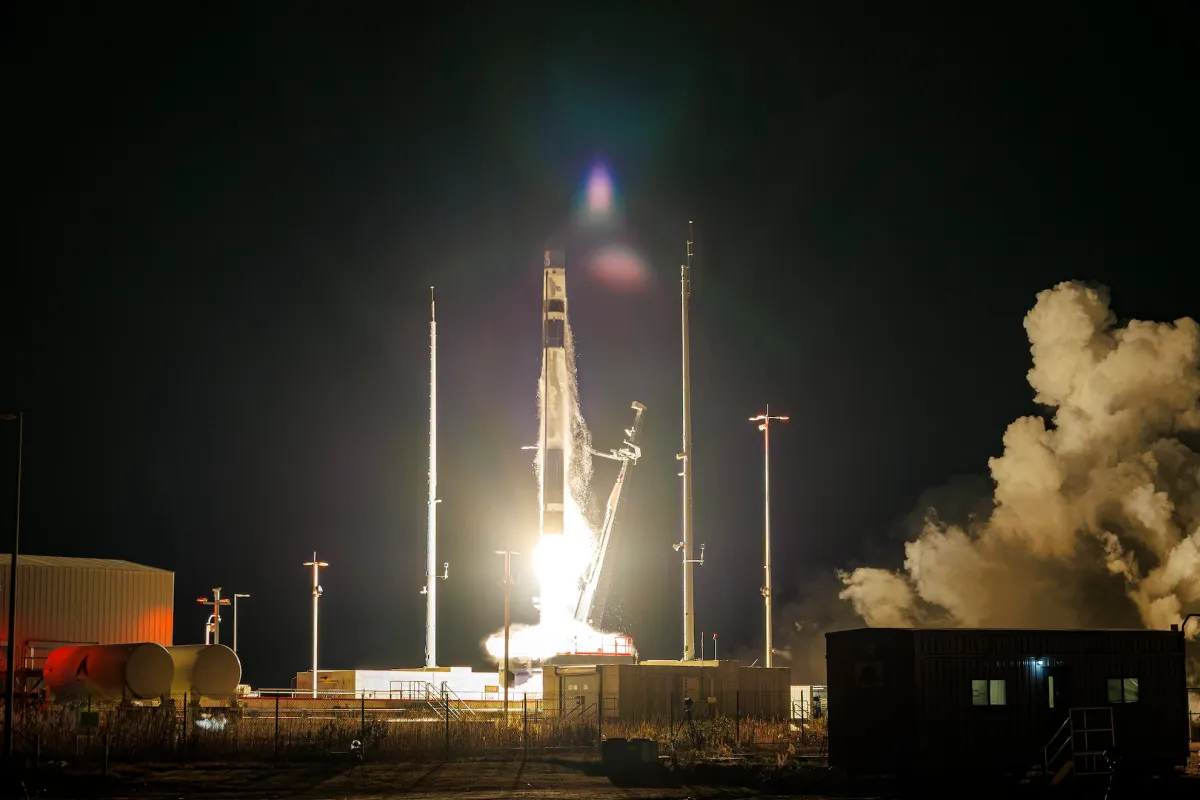
However, Rocket Lab continues to offer launch services through its Electron rocket. The company is also developing the Neutron rocket, a larger vehicle designed to carry heavier payloads to orbit. This dual-rocket strategy allows Rocket Lab to address a wider range of customer needs.
The company has also expressed interest in bidding for even larger Department of Defense initiatives, such as the Golden Dome program. Golden Dome aims to create a global, space-based sensor network for detecting and tracking targets of interest. Winning a role in Golden Dome would represent a substantial expansion of Rocket Lab’s presence in the defense market.
The growing emphasis on space-based defense is driving increased investment in companies like Rocket Lab. The demand for resilient satellite constellations and advanced sensors is expected to continue to grow in the coming years. This trend is fueled by geopolitical tensions and the proliferation of advanced weapons systems.
The SDA anticipates awarding contracts for subsequent tranches of the Tracking Layer in the future. Rocket Lab’s performance on Tranche 3 will likely be a key factor in its ability to secure additional work. The company is expected to begin delivering satellites for Tranche 3 in the 2027 timeframe, though schedules are subject to change. The next steps involve finalizing the satellite design and establishing a robust manufacturing process to meet the SDA’s requirements. Continued monitoring of the program’s progress and potential challenges will be crucial.