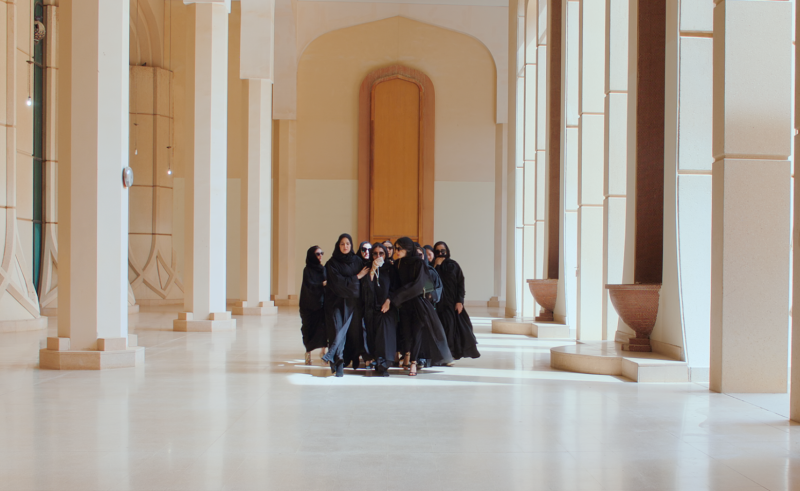

Saudi Arabian filmmaker Sara Balghonaim’s short film, Irtizaz, is sparking conversation about the enduring social pressures surrounding marriage for women in the Kingdom. The 14-minute film, which premiered recently, uses humor to explore a cultural reality where women often face intense scrutiny regarding their marital status. Irtizaz has already garnered attention for its honest portrayal of generational expectations and the evolving role of women in Saudi society.
The Cultural Context of Marriage in Saudi Arabia
The film draws inspiration from a common Najdi saying – “Don’t miss the train, even if you don’t have a ticket” – which encapsulates the urgency often placed on women to secure a husband. This pressure, according to Balghonaim, stems from the idea that marriage remains a significant form of social validation. Historically, a woman’s status and security were closely tied to her marital status, a tradition that continues to influence societal norms.
Exploring Themes of Competition and Performance
Irtizaz (“Peacocking”) centers on a young divorcee navigating the complexities of the “marriage market” at an all-women’s funeral in Riyadh. Her mother actively attempts to present her to potential mothers-in-law, creating a competitive and uncomfortable environment for the protagonist. The film’s title references the peacock’s display of feathers, symbolizing how women are often encouraged to “display” themselves to attract a partner.
Balghonaim intentionally used fast-paced Afro-Caribbean music to amplify the sense of chaos and tension experienced by the main character. She wanted the audience to feel as though the protagonist had been dropped into a “social jungle” where she must navigate complex expectations. This stylistic choice underscores the performative aspect of seeking marriage within this social setting.
Shifting Societal Norms and Generational Gaps
While some viewers might interpret the film as reinforcing stereotypes, Balghonaim argues it reflects a current reality. She notes that many Saudi women, particularly those of her generation and younger, are actively engaged in the pursuit of marriage, driven by its continued status as a form of social currency. However, this is occurring alongside significant societal shifts.
The production of Irtizaz itself embodies these changes, boasting an all-women cast and a predominantly female crew. This reflects a broader trend of increased female participation in the Saudi film industry and other sectors. According to reports from the Ministry of Culture, the Kingdom is actively investing in supporting local filmmakers and fostering a thriving creative ecosystem.
The film also highlights a generational gap in perspectives on marriage. Balghonaim explains that her mother’s generation grew up with deeply ingrained beliefs linking self-worth to marital status, a narrative that was prevalent globally. This historical context shapes the mother’s motivations in the film, as she seeks to secure her daughter’s future according to traditional values.
Independent Filmmaking in the Kingdom
The creation of Irtizaz was a collaborative effort, supported by a wider community that provided resources such as food, locations, and equipment. This demonstrates a growing support network for independent filmmaking within Saudi Arabia. Balghonaim expressed gratitude for her crew and producers, including Karen Madar and Khalid Alsudairy, who played crucial roles in bringing the film to life.
Balghonaim, a New York University film graduate with a track record of award-winning short films, is now shifting her focus to long-form storytelling. She intends to dedicate time to developing a feature film and a television project, seeking greater stability in her career. The timeline for these projects remains uncertain, but Balghonaim anticipates focusing on script development over the next year.
The success of Irtizaz and the increasing visibility of Saudi female filmmakers signal a continued evolution in cultural narratives and artistic expression. Future developments to watch include the impact of ongoing social reforms on traditional views of marriage and the growth of the Saudi film industry as a platform for diverse voices.