





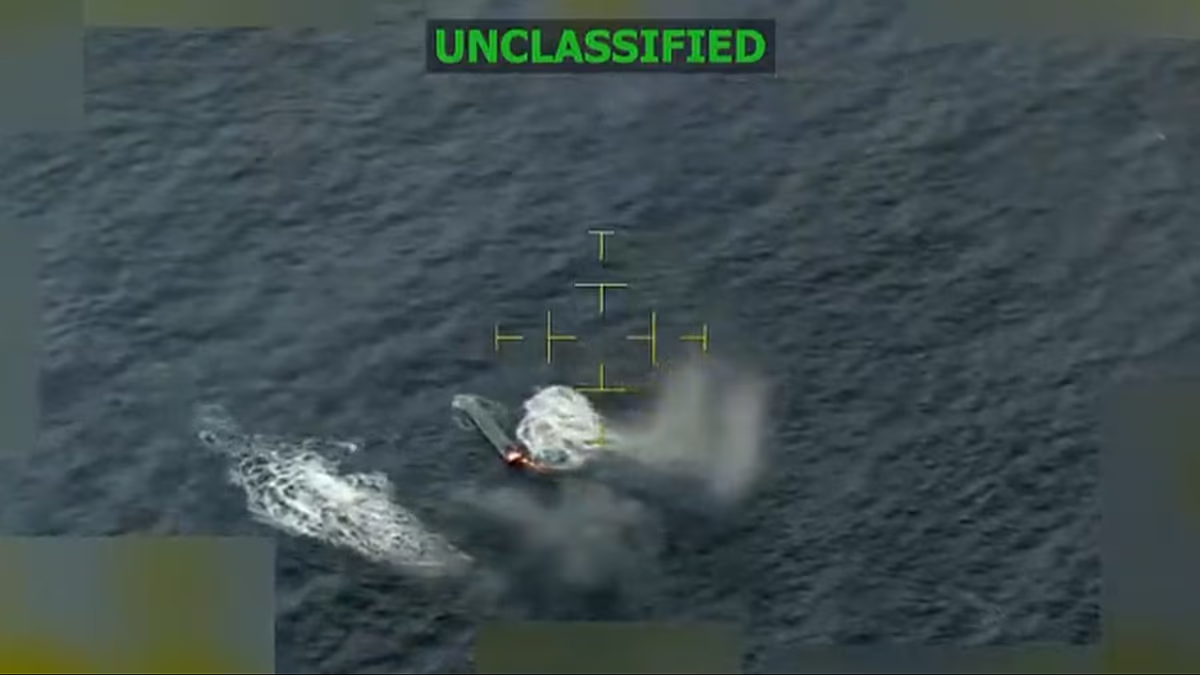

The United States military conducted another strike against a vessel suspected of drug smuggling in the eastern Pacific Ocean on Monday, resulting in one fatality, according to a statement from US Southern Command. This action, authorized by US Defence Secretary Pete Hegseth, is part of an ongoing operation targeting seafaring vessels allegedly linked to designated terrorist organizations. The operation highlights the escalating US efforts to disrupt the flow of narcotics and counter perceived terrorist financing through maritime routes.
The incident occurred in international waters, with officials stating intelligence sources confirmed the vessel was traversing a known narco-trafficking route and actively involved in illegal drug operations. This latest strike brings the total number of fatalities to 105 across 29 such operations initiated in September. The US maintains these operations are vital for national security, while international observers question their legality.
Controversial Tactics in the Fight Against Drug Smuggling
The US military’s campaign against vessels suspected of drug smuggling and terrorist ties began under the Trump administration and has continued under the current administration. The stated goal is to disrupt the financial networks of groups designated as terrorists by targeting their involvement in the lucrative drug trade. However, the use of lethal force in international waters has sparked considerable debate.
Some legal scholars and lawmakers have raised concerns that the operations may violate both US and international law, specifically regarding due process and the use of force outside of declared war zones. Critics argue that the strikes amount to extrajudicial killings, as individuals are being killed without trial or formal legal proceedings. These concerns are amplified by the lack of transparency surrounding the intelligence used to identify and target these vessels.
Escalation of Maritime Interdiction
Historically, the US Coast Guard and Navy have focused on interdicting drug shipments through cooperative agreements with Latin American nations and through boarding and search operations. This current approach, however, represents a significant escalation, authorizing the use of lethal force against vessels deemed a threat. According to US Southern Command, the vessels targeted are “low-profile” and operated by organizations considered dangerous.
The increase in these kinetic strikes coincides with record levels of fentanyl and other illicit drugs entering the United States. The Biden administration has prioritized efforts to combat the opioid crisis, and officials suggest that disrupting the supply chain at sea is a crucial component of this strategy. The US Drug Enforcement Administration (DEA) estimates that a significant portion of fentanyl precursors originates in countries along these trafficking routes.
International Law and Sovereignty Concerns
The legal basis for these operations remains contested. International law generally requires a clear and imminent threat before the use of lethal force is justified. Critics contend that simply being involved in drug trafficking, even if linked to a designated terrorist organization, does not meet this threshold.
Additionally, some nations in the region have expressed concerns about the potential for violations of their sovereignty. While the strikes occur in international waters, the proximity to national coastlines and the potential for collateral damage raise questions about the respect for international norms. The United Nations Convention on the Law of the Sea (UNCLOS) outlines the rights and responsibilities of nations regarding maritime activities, and some argue these operations are not fully compliant. UNCLOS provides a framework for international maritime law.
Meanwhile, the US government defends the operations as necessary to protect national security and disrupt criminal networks. Officials maintain that every effort is made to minimize civilian casualties and that the strikes are conducted in accordance with the law of armed conflict. They also emphasize the link between drug trafficking and terrorist financing, arguing that disrupting the former weakens the latter.
The long-term implications of this policy are still unfolding. It remains to be seen whether the strikes will significantly reduce the flow of drugs into the United States or whether they will further destabilize the region and strain international relations. The debate over the legality and effectiveness of these operations is likely to continue, particularly as the death toll rises.
Looking ahead, continued scrutiny from lawmakers and international organizations is expected. The US government will likely face pressure to provide greater transparency regarding the intelligence used to justify these strikes and to demonstrate a clear commitment to upholding international law. Monitoring the impact of this strategy on both drug supply and regional stability will be crucial in assessing its overall success.