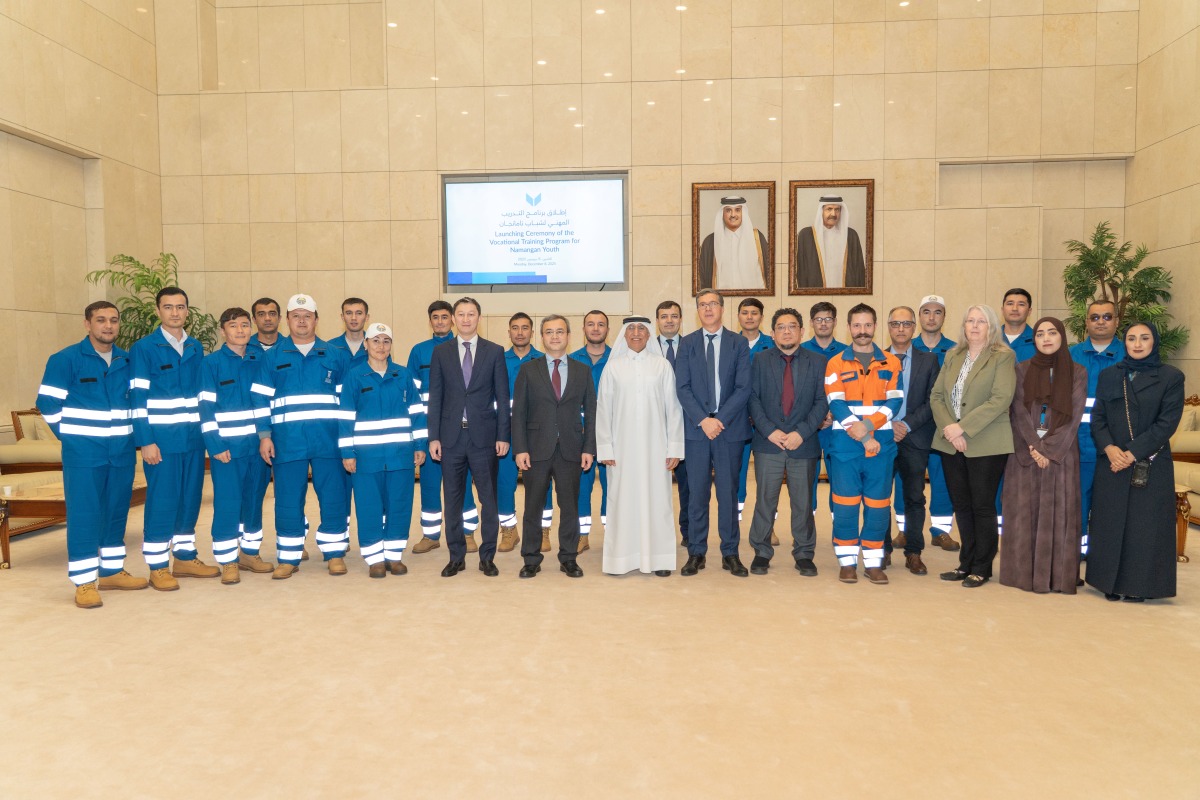

Doha, Qatar – A new initiative focused on vocational training is underway as fourteen young professionals from Uzbekistan’s Namangan region began a ten-month program at the University of Doha for Science and Technology (UDST) this week. The program aims to develop certified trainers who will then staff the newly established Uzbek-Qatari Vocational Skills Centre in Namangan, bolstering professional education in Uzbekistan and fostering international collaboration. The group arrived on Tuesday, signaling the official launch of this crucial workforce development project.
The training program, a partnership between the Embassy of Uzbekistan in Qatar and UDST, is designed to address a growing need for skilled labor in both countries and beyond. According to the Embassy, the initiative was launched in 2024 with the goal of providing Uzbek youth with globally recognized qualifications. A formal Memorandum of Cooperation between Uzbekistan’s Centre for Progressive Reforms and UDST was signed in March 2025, solidifying the agreement.
Uzbek-Qatari Collaboration Strengthens Vocational Skills
The Uzbek-Qatari Vocational Skills Centre in Namangan is projected to train approximately 1,000 specialists each year across five key sectors: welding, plumbing, electrical work, nursing, and general engineering. This represents a significant investment in technical education for the region. The curriculum will be based on UDST’s established, industry-relevant programs, ensuring a high standard of training and preparation.
Addressing Skill Gaps
Uzbekistan has been actively pursuing economic reforms and diversification, which require a skilled workforce capable of supporting new industries. This program directly responds to that need, providing training in areas experiencing high demand. The focus on practical skills also aligns with the country’s broader strategy to enhance its competitiveness in the global market.
Graduates of the program will receive internationally recognized certifications, enhancing their employment prospects not only within Uzbekistan but also in Qatar, the wider Middle East, and potentially Europe and the United States. This international portability of skills is a key benefit of the collaboration. The initiative also supports Qatar’s commitment to supporting workforce development in partner nations.
Dr. Salem Al-Naemi, President of UDST, emphasized the university’s commitment to applied education and its experience in upskilling technical professionals. “Through our Professional Skills Centre, an internationally accredited hub for training and certification, we deliver industry-driven programs that empower individuals with globally relevant expertise,” he stated. He further noted that the collaboration is a testament to strengthening professional development and contributes to Qatar’s global support initiatives.
The partnership leverages UDST’s expertise in technical education and its established accreditation. The university’s Professional Skills Centre has a proven track record of delivering high-quality, industry-aligned training programs. This ensures the Uzbek trainees receive instruction that meets international standards and prepares them for successful careers.
This project is part of a broader trend of increased collaboration between Qatar and Uzbekistan, particularly in the areas of education and economic development. The two countries have been working to strengthen bilateral ties through various agreements and initiatives. Skills development is a central component of these efforts, recognizing the importance of a qualified workforce for sustainable economic growth.
Looking ahead, the focus will be on the successful completion of the training program by the fourteen Uzbek professionals and their subsequent return to Namangan to establish the Uzbek-Qatari Vocational Skills Centre. The center is expected to begin operations in late 2025 or early 2026, though the exact timeline remains subject to logistical considerations and final preparations. The long-term impact of the center on Uzbekistan’s economy and its ability to attract foreign investment will be a key area to watch.
The success of this initial cohort will likely inform future expansions of the program, potentially including additional training fields and increased participant numbers. Continued monitoring of employment outcomes for graduates will also be crucial in evaluating the program’s effectiveness and identifying areas for improvement. UDST and the Uzbek government will need to collaborate closely to ensure the sustainability and impact of this training initiative.