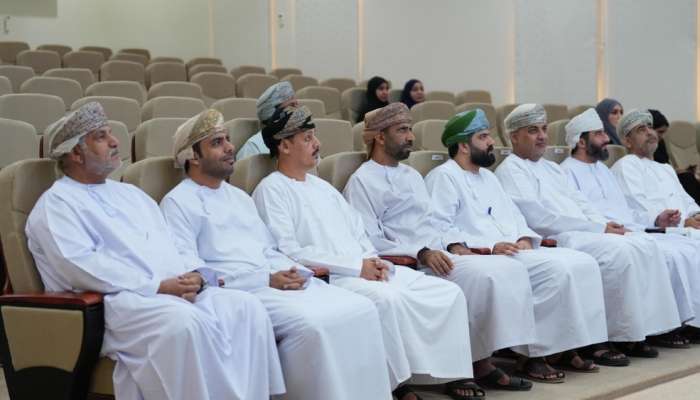

Understanding the intricacies of the Omani tax system is crucial for any entrepreneur operating within the Sultanate. Recently, the Tax Authority Department in A’Rustaq, South Al Batinah Governorate, took a proactive step towards clarifying these complexities. In collaboration with the Oman Chamber of Commerce and Industry (OCCI) branch in the governorate, they hosted a valuable awareness seminar titled “Taxation in the Sultanate of Oman,” aimed at bolstering financial literacy and ensuring compliance amongst business owners. This initiative speaks to Oman’s ongoing commitment to a transparent and effective tax environment, benefiting both the government and the business community.
Enhancing Tax Awareness for Omani Entrepreneurs
The seminar’s core objective was to empower entrepreneurs with a thorough grasp of Oman’s evolving tax landscape. Recognizing that navigating legal and financial requirements can be challenging, particularly for startups and small businesses, the Tax Authority designed the session to be both informative and practical. The collaboration with the OCCI was key, leveraging their established network and understanding of the needs of local businesses within South Al Batinah.
This event isn’t happening in isolation. It’s a piece of a larger strategy to foster a stronger tax culture within Oman, moving away from reactive enforcement and towards proactive understanding and compliance. A well-informed business community is more likely to meet its obligations, contributing to a stable and sustainable national economy.
Key Topics Covered in the “Taxation in the Sultanate of Oman” Seminar
The seminar comprehensively addressed crucial facets of the Omani tax system. Several key areas were brought to light, designed to equip attendees with the knowledge to confidently manage their tax responsibilities.
Understanding the Omani Tax System
The seminar provided a detailed overview of the different types of taxes levied in the Sultanate, including corporate income tax, personal income tax (for expatriates), Value Added Tax (VAT), and withholding taxes. It explained the current rates and thresholds for each tax, offering clarity on how these regulations apply to various business structures and activities. Ongoing updates to the tax system were also highlighted as the Sultanate continues to refine its economic policies.
Tax Registration Procedures
A significant portion of the seminar focused on the practicalities of registering for the necessary taxes. The representatives from the Tax Authority walked participants through the step-by-step process, outlining the required documentation and detailing the online procedures available. This section proved particularly valuable for entrepreneurs new to the Omani market or those expanding their operations and needing to register for additional tax types.
Utilizing Electronic Services for Tax Management
Recognizing the increasing importance of digital channels, the Tax Authority showcased its expanding suite of e-services. These online tools allow businesses to file returns, make payments, and manage their tax affairs efficiently and securely. Participants were given a live demonstration of the portal and encouraged to utilize these resources to streamline their processes and reduce administrative burdens. The accessibility of these tax services is a huge step forward for Oman.
The Risks and Impacts of Tax Evasion
The seminar didn’t shy away from the serious consequences of tax evasion. Presenters detailed the legal penalties, which can include hefty fines and even imprisonment, and emphasized the detrimental economic impact of non-compliance. They illustrated how tax evasion undermines fair competition and erodes public trust in the financial system. The focus was on promoting a sense of responsibility and understanding the importance of contributing to the nation’s revenue through proper tax compliance.
The Importance of Continued Financial Education
Beyond the specific details of the tax system, the seminar highlighted the broader need for ongoing financial and legal education for entrepreneurs in Oman. The business environment is constantly evolving, with new regulations and best practices emerging regularly. Staying informed is therefore paramount for entrepreneurial success and sustainable growth.
The OCCI’s role is particularly valuable in this regard, as they often provide additional training and resources to their members. Furthermore, the Tax Authority has signaled its commitment to similar awareness initiatives in other governorates, ensuring that information and support reach a wider audience. These efforts are building a foundation for a more resilient and legally sound business sector.
Looking Ahead: A Collaborative Approach to Tax Compliance
The A’Rustaq seminar exemplifies a positive trend towards greater collaboration between government entities and the private sector in Oman. By actively engaging with the entrepreneur community and providing clear, accessible information, the Tax Authority is helping to build a more compliant and prosperous business environment. This approach fosters trust and encourages voluntary compliance, ultimately benefiting everyone involved.
The success of this event underscores the value of continued investment in financial awareness programs and the development of user-friendly digital tools. As Oman’s economy diversifies and attracts more foreign investment, a well-understood and efficiently managed tax system will be a critical asset. Entrepreneurs are encouraged to visit the Tax Authority’s official website https://www.taxoman.gov.om/ to access further resources and stay updated on the latest changes.
This seminar represents a significant step towards simplifying the landscape of tax compliance for Omani businesses, and its impact will undoubtedly be felt throughout South Al Batinah and beyond.