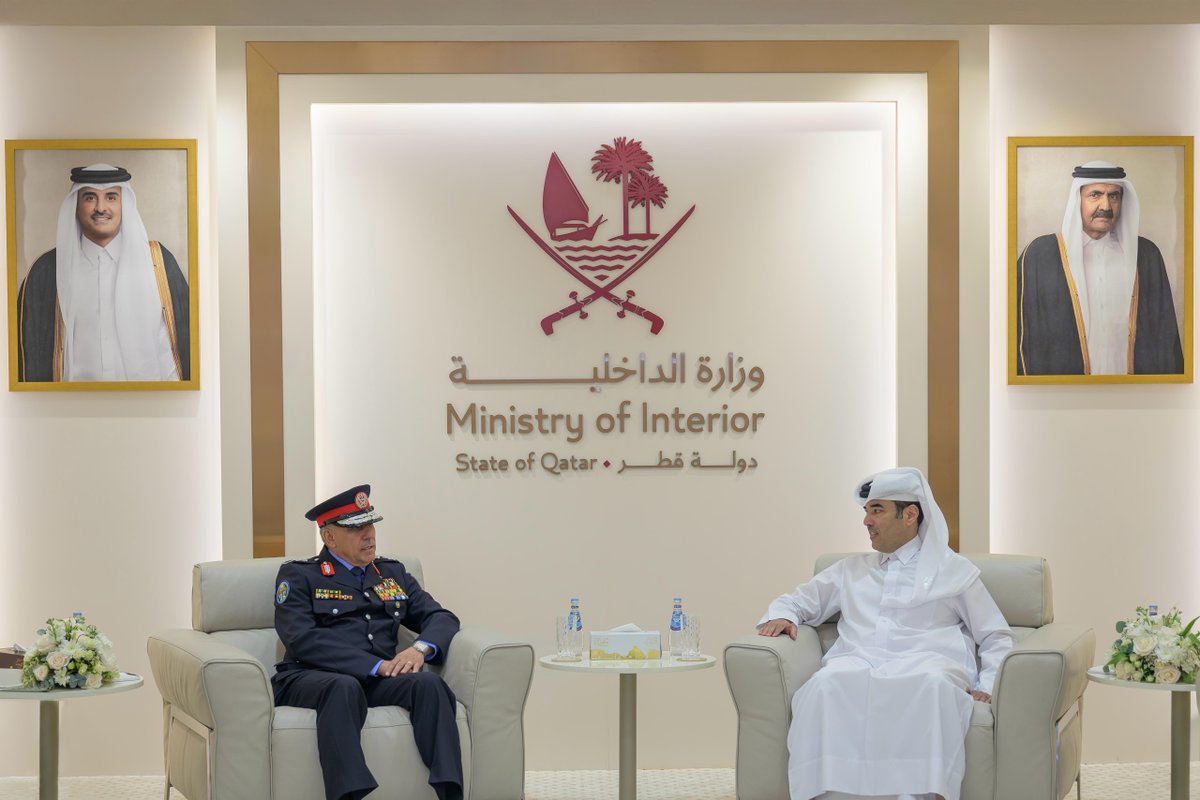

Doha, Qatar – High-ranking officials from Qatar and Jordan convened in Doha this week to discuss enhanced security cooperation. The meeting, held on December 22, 2023, between Qatar’s Undersecretary of the Ministry of Interior, HE Abdullah bin Khalaf bin Hattab Al Kaabi, and Jordan’s Director of Public Security, HE Major General Dr. Obaid Abdulrabboh Al Maaytah, focused on strengthening bilateral ties and coordinating efforts in various security domains. This move underscores the ongoing commitment of both nations to regional stability and counter-terrorism efforts.
The discussions took place at the Ministry of Interior headquarters in Doha, according to a statement released by the Qatari government. Both sides reviewed existing collaborative initiatives and explored new avenues for partnership, particularly in light of evolving regional challenges. The meeting’s agenda included topics related to border security, cybersecurity, and the exchange of intelligence.
Strengthening Qatar-Jordan Security Cooperation
The primary goal of the meeting was to solidify the existing security cooperation between Qatar and Jordan. Both countries face similar security concerns, including the potential for extremist activity and the need to protect critical infrastructure. A key aspect of this collaboration involves sharing best practices in law enforcement and security management.
According to sources familiar with the discussions, the officials explored ways to streamline information sharing and enhance joint training exercises. This would allow both nations to respond more effectively to emerging threats and maintain a high level of preparedness. The need for a unified approach to regional security was repeatedly emphasized.
Areas of Focus in Bilateral Talks
Several specific areas were identified for increased collaboration. These included:
Cybersecurity remains a growing concern globally, and Qatar and Jordan are no exception. The officials discussed strategies for protecting national networks and critical data from cyberattacks, as well as collaborating on investigations into cybercrime. This is increasingly important as both nations invest in digital infrastructure.
Border security was another key topic, with a focus on preventing the movement of illicit goods and individuals. The two countries share a commitment to safeguarding their borders and ensuring the free flow of legitimate trade. Discussions likely included technologies and strategies for enhanced border surveillance.
Intelligence sharing was highlighted as a crucial component of effective security cooperation. The officials agreed on the importance of maintaining open communication channels and exchanging timely information on potential threats. This will help both countries to proactively address security challenges.
The meeting also comes amidst broader diplomatic efforts to enhance regional stability. Qatar has been actively involved in mediation efforts in several regional conflicts, while Jordan plays a key role in counter-terrorism initiatives. This international security context likely influenced the discussions.
However, the specifics of any new agreements or initiatives were not immediately disclosed. The Ministry of Interior indicated that further details would be released at a later date. The timing of these talks is notable, occurring as regional tensions remain elevated.
Meanwhile, both Qatar and Jordan are preparing to host major international events in the coming years, including the FIFA World Cup 2030 (partially hosted in Qatar) and various regional conferences. Ensuring the security of these events will be a top priority for both nations, and enhanced security collaboration will be essential to achieving this goal. This increased focus on event security is a common trend among nations hosting large gatherings.
In contrast to some regional relationships, Qatar and Jordan have historically maintained strong diplomatic and economic ties. This latest meeting reinforces that partnership and demonstrates a shared commitment to addressing common security challenges. The relationship is viewed as strategically important by both governments.
Looking ahead, the next step will likely involve the formation of joint working groups to develop detailed plans for implementing the agreements reached during the meeting. The effectiveness of this bilateral security partnership will depend on the sustained commitment of both countries and their ability to adapt to evolving threats. Observers will be watching for concrete outcomes from these discussions in the coming months, particularly regarding joint exercises and technology transfer.
Qatar’s Ministry of Interior regularly engages in such dialogues with regional and international partners to bolster national and regional safety. Further updates are expected as specific action plans are finalized and implemented.