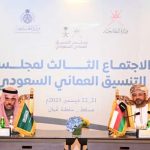





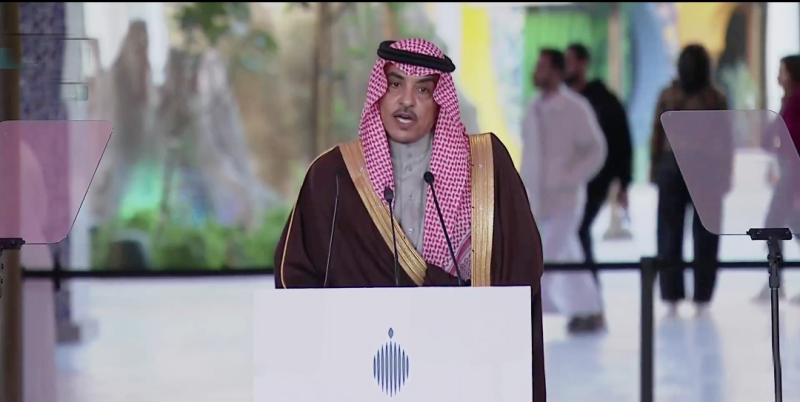

Saudi Arabia’s Minister of Media, Salman Al-Dosari, affirmed the Kingdom’s commitment to freedom of expression on Monday, while simultaneously outlining the legal boundaries against content deemed harmful to societal stability. The statement, delivered at a press conference in Riyadh, comes amid recent actions taken against individuals publishing online material considered inflammatory. The ministry clarified that these measures are focused on violations of regulations, not on legitimate criticism.
Al-Dosari addressed concerns surrounding recent disruptions at King Khalid International Airport in Riyadh and reiterated the government’s stance on protecting passenger rights. The press conference, reported by Saudi state news agencies, signaled a broader message regarding the balance between allowing public discourse and maintaining public order within the nation. These clarifications are intended to provide transparency regarding media regulations and address citizen concerns about travel experiences.
Understanding Saudi Arabia’s Approach to Freedom of Expression
The Saudi government acknowledges freedom of expression as a fundamental right, though it operates within a specific legal framework. According to Al-Dosari, this framework differentiates between responsible opinion, constructive criticism, and content that deliberately spreads misinformation or incites unrest. This distinction is crucial, the ministry emphasized, as the Kingdom navigates its ongoing societal and economic reforms.
Regulatory Enforcement and Recent Actions
The General Authority for Media Regulation has been actively identifying and addressing what it considers serious violations of its guidelines. These violations reportedly involve the publication of inflammatory content that poses a risk to national security and social harmony. As a result, the authority has implemented “strict measures and decisions” against those found to be in breach of the regulations, the minister stated.
However, Al-Dosari was careful to stress that these actions are not intended to stifle dissent or suppress legitimate viewpoints. The government maintains that its focus is on preventing the misuse of media platforms to create chaos or promote divisive rhetoric. This position reflects a broader concern about the potential for online platforms to be exploited for malicious purposes.
The Kingdom has been working to modernize its media landscape, but this modernization is occurring alongside efforts to control the spread of harmful content. This dual approach is a key characteristic of Saudi Arabia’s evolving media policy. The government aims to foster a more open environment while safeguarding its national interests.
Addressing Airport Disruptions and Passenger Rights
The recent travel disruptions at King Khalid International Airport, which caused significant delays and cancellations, were also a key topic of the press conference. Al-Dosari acknowledged the distress and inconvenience experienced by passengers, stating that such incidents are unacceptable to both travelers and the authorities.
The airport administration has reportedly reaffirmed its commitment to the Passenger Rights Protection Regulations issued by the General Authority of Civil Aviation. These regulations outline the rights of passengers in the event of flight disruptions, including compensation for delays and cancellations. The ministry indicated that all state entities are prepared to respond effectively to emergencies and operational challenges.
The minister highlighted the public’s right to voice their frustrations regarding the airport issues, noting that criticism was understandable. However, he reiterated the importance of distinguishing between legitimate complaints and incitement, emphasizing that the latter remains subject to legal consequences. This underscores the government’s commitment to upholding the rule of law even in the face of public dissatisfaction.
The situation at the airport also brought the issue of digital media and its role in amplifying public sentiment to the forefront. While acknowledging the importance of online platforms for sharing information, the government cautioned against the spread of misinformation and the use of social media to incite unrest. This concern is shared by many governments worldwide as they grapple with the challenges of regulating online content.
The government’s response to the airport disruptions and its subsequent clarification of media regulations can be seen as part of a broader effort to enhance transparency and accountability. This is particularly important as Saudi Arabia continues to implement its Vision 2030 plan, which aims to diversify the economy and improve the quality of life for its citizens. Social media plays a significant role in shaping public perception of these reforms.
Furthermore, the emphasis on passenger rights aligns with international standards and demonstrates a commitment to providing a positive travel experience for visitors and citizens alike. This is crucial for attracting tourism and investment, both of which are key pillars of Vision 2030. Increased investment in airport infrastructure and operational efficiency is expected over the next several years.
The implementation of these regulations and the government’s response to public concerns regarding airport delays will likely be closely monitored by international observers. The balance between maintaining social stability and upholding civil liberties remains a sensitive issue, and Saudi Arabia’s approach will be subject to scrutiny.
Looking ahead, the General Authority for Media Regulation is expected to provide further details on the specific criteria used to assess content and determine whether it violates its guidelines. The authority will also likely continue to enforce its regulations and take action against individuals who are found to be in breach. The effectiveness of these measures and their impact on the overall media landscape remain to be seen, and will be a key area to watch in the coming months.