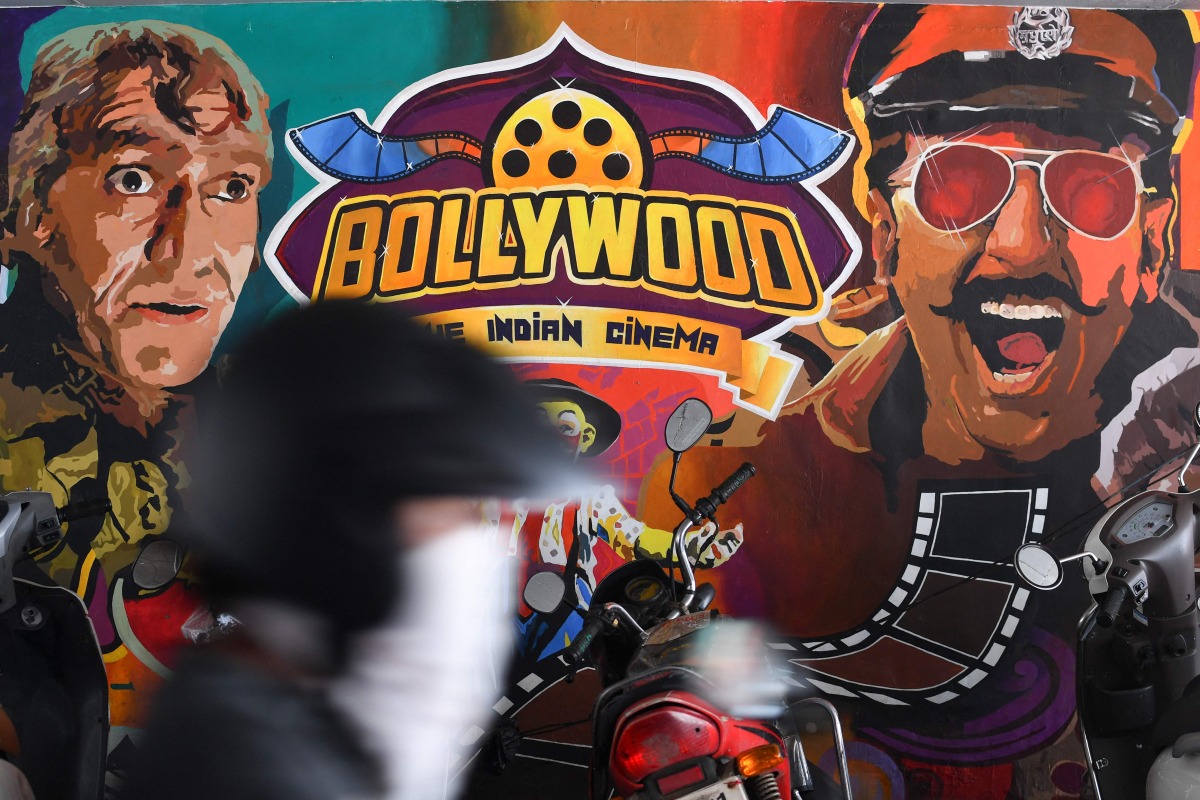

Mumbai, India – The Bollywood film industry is facing renewed financial scrutiny as soaring production costs, largely attributed to the demands of its biggest stars, threaten profitability. From elaborate travel arrangements to extensive personal staff, the expenses associated with A-list actors are increasingly under the spotlight, impacting the overall health of Bollywood. This comes at a particularly vulnerable time for the industry, still recovering from pandemic-era disruptions.
While box office performance has always been a variable, producers now argue that diminishing returns are less about weak scripts and more about unsustainable talent costs. The issue extends beyond base salaries, encompassing a wide range of perks and logistical demands that significantly inflate budgets.
The Rise of Bollywood Production Costs
Historically, Bollywood has been known for its lavish productions, but insiders say the scale of star demands has reached a new level. Actors are frequently accompanied by sizable entourages, including makeup artists, hairstylists, personal trainers, and assistants, all of whose expenses are billed to the production company. These auxiliary costs can quickly eclipse core filmmaking budgets.
Reports indicate that top stars now command fees upwards of $22 million per film. However, it’s the ancilliary expenses – first-class travel, luxury hotel suites, multiple private trailers, and limited working hours – that are compounding the problem. According to veteran producer Mukesh Bhatt in statements outlined by the Peninsula Qatar, “The kind of demands stars make is obnoxious.”
The practice of providing each major star with a dedicated vanity van, initially intended as a convenience, has also escalated. Previously, actors often shared such facilities, but the demand for individualized luxury has become commonplace. A single, fully-equipped trailer can cost approximately $18,000 for the duration of a film shoot, representing a substantial overhead.
Pandemic Aftermath and Shifting Dynamics
The industry’s financial fragility was exposed during the COVID-19 pandemic. Streaming platforms initially offered a temporary lifeline by acquiring films at inflated prices. However, as those deals slowed, producers found themselves in a difficult position: income decreased, but actor fees remained stubbornly high.
Additionally, competition within the Indian entertainment landscape has increased. The rise of regional cinema and the popularity of streaming services have broadened audience choices, putting pressure on Bollywood to deliver compelling content alongside managing escalating costs. Audience preferences are evolving, and a shift toward more story-driven films is underway.
Actor-filmmaker Aamir Khan publicly criticized the practice, questioning the “self-respect” of stars who burden producers with excessive costs, according to reports covering his September interview. This sentiment has resonated with some within the industry, sparking a debate about fiscal responsibility and the value proposition of celebrity endorsements.
Exploring Alternative Compensation Models
Producers are increasingly advocating for partnership-style compensation models, aligning actor earnings with the film’s box office performance. The goal is to incentivize stars to contribute to a project’s success beyond simply fulfilling contractual obligations. Bhatt proposes that “When a film thrives, every contributor should benefit. When it struggles, the weight should not rest solely on the producer.”
Recent box office results underscore the challenges. The 2024 action film *Bade Miyan Chote Miyan* reportedly cost $42 million but struggled to generate sufficient revenue, leading producers to reportedly mortgage property to cover debts. In contrast, actor Kartik Aaryan voluntarily waived his fee for the underperforming *Shehzada*, acknowledging the need for flexibility when a project doesn’t meet expectations.
Some argue that focusing on strong scripts and emerging talent is a more sustainable strategy. Actor-writer-producer Viveck Vaswani points to his success in casting newcomers, emphasizing that “If your star is stronger than your script, you are wrong.” He also highlighted that established stars like Shah Rukh Khan and Akshay Kumar typically cover their own entourage expenses.
The industry is now poised to re-evaluate its financial structures. Discussions are expected to continue between producers, actors, and other stakeholders in the coming months, with potential adjustments to compensation models and production practices. The future trajectory of Bollywood will likely depend on its ability to strike a balance between star power and fiscal prudence, adapting to the changing economic realities of the entertainment business.