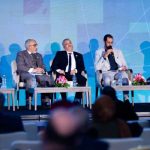
Doha, Qatar – The University of Doha for Science and Technology (UDST) recently honored Prof. Khalid Mubarak Al-Shafi, Editor-in-Chief of The Peninsula, for his contributions to advancing Arabic media education and quality journalism in Qatar. The recognition highlights a growing emphasis on strengthening the nation’s media capabilities through strategic partnerships between academic institutions and industry leaders. This collaboration aims to equip Qatari students with the skills needed for success in the evolving digital landscape.
The honor was presented by UDST President Dr. Salem Al-Naemi, acknowledging Prof. Al-Shafi’s pivotal role in establishing a dedicated Arabic media track within UDST’s Bachelor of Science in Digital Communication and Media Production (DCMP) program. This initiative is the result of a significant memorandum of understanding (MoU) signed between UDST and Qatar Media Corporation (QMC) in 2024.
Boosting Arabic Media Through University-Industry Collaboration
The MoU between UDST and QMC signifies a commitment to enhancing both the educational and professional aspects of media and technology within Qatar. According to UDST officials, the partnership focuses on developing a hybrid learning track specifically designed to integrate Arabic language and cultural nuances into the DCMP curriculum. This addresses a critical need for skilled Arabic-language media professionals.
Dr. Al-Naemi emphasized Prof. Al-Shafi’s “exemplary leadership” in securing the agreement with QMC and bringing his extensive media experience to UDST’s academic community. He further noted Prof. Al-Shafi’s support in obtaining scholarships from the Ministry of Education and Higher Education, encouraging more Qatari students to pursue careers in media production.
Key Components of the Partnership
The collaboration extends beyond curriculum development. It includes provisions for the exchange of expertise in education, training, and development, aiming to improve learning outcomes for students. Additionally, UDST and QMC will jointly undertake scientific and informative research initiatives, fostering innovation in the field of digital communication.
Prof. Al-Shafi expressed his gratitude to UDST and QMC leadership, particularly acknowledging the support of H.E. Sheikh Khalid bin Abdulaziz bin Jassim Al-Thani, CEO of QMC. He stated that Sheikh Khalid consistently prioritizes strengthening ties with universities to attract talented Qatari professionals to the Corporation and contribute to the advancement of Qatar’s media sector.
The new Arabic media track is intended to prepare graduates for a variety of roles, including leading audio/visual technical teams and excelling in all aspects of media production. The program aims to equip students with the skills to effectively utilize digital technologies in media and contribute to communication departments in both public and private organizations.
This partnership represents a strategic investment in Qatar’s future media landscape. By combining the academic rigor of UDST with the practical experience of QMC, the initiative seeks to cultivate a new generation of skilled and innovative media professionals. The focus on Arabic language proficiency is particularly important, ensuring that Qatar’s media can effectively communicate with its regional and global audiences.
Looking ahead, the success of the Arabic media track will likely be measured by the number of Qatari students enrolled and the career trajectories of its graduates. Further developments may include expanding the program’s offerings and establishing additional collaborations with other media organizations. The long-term impact on the quality and reach of Arabic-language content produced in Qatar remains to be seen, but the initial steps suggest a positive outlook.