






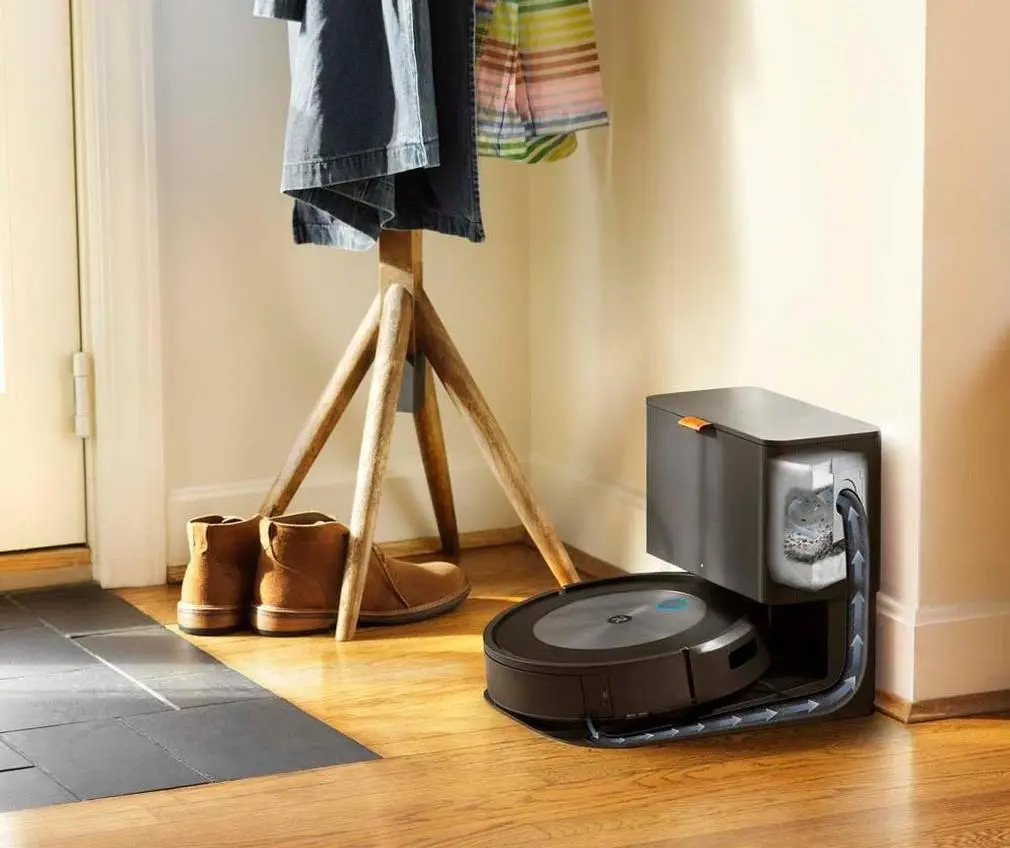

A wave of recent bankruptcy filings from prominent consumer technology companies – iRobot, Luminar Technologies, and Rad Power Bikes – has sent ripples through the industry and sparked debate about the challenges facing hardware startups. All three companies sought Chapter 11 protection within a week of each other, signaling significant financial distress despite operating in seemingly growth-oriented sectors. These filings highlight vulnerabilities related to supply chain issues, shifting consumer demand, and the difficulties of scaling beyond initial product success.
The companies, while diverse in their offerings – robotic vacuums, automotive lidar, and electric bikes, respectively – share common threads in their struggles. According to reports, each faced headwinds from factors like increased tariff pressures, failed or blocked acquisitions, and an inability to diversify their product lines sufficiently to maintain momentum. The timing of these events is raising questions about the broader economic climate and the sustainability of certain business models in the tech space.
Understanding the Recent Bankruptcy Filings
Rad Power Bikes, a leading direct-to-consumer e-bike brand, was an early mover in the micromobility market. The company experienced substantial growth during the pandemic as consumers sought alternative transportation options. However, sales began to decline in 2023, falling from over $100 million to approximately $63 million this year, indicating a struggle to maintain its position as the market matured.
Luminar Technologies, focused on developing lidar sensors for autonomous vehicles, similarly faced challenges. The company aimed to make lidar technology more affordable and accessible, securing deals with major automakers like Volvo and Mercedes-Benz. Despite these partnerships, Luminar’s business remained heavily concentrated in the autonomous vehicle sector, which has experienced slower-than-anticipated development and adoption rates.
Perhaps the most recognizable of the three, iRobot, the maker of the Roomba robotic vacuum, found itself in a precarious position after its proposed acquisition by Amazon was blocked by the Federal Trade Commission (FTC). The company had been counting on the deal to navigate increasing competition and rising manufacturing costs. The FTC’s decision to prevent the acquisition, citing antitrust concerns, ultimately contributed to iRobot’s financial difficulties.
The Role of Tariffs and Supply Chain Disruptions
Experts suggest that tariffs, particularly those imposed during the Trump administration, played a role in the struggles of these companies. These tariffs increased the cost of imported components, impacting profitability and competitiveness. The reliance on overseas manufacturing, especially in China, also exposed these businesses to supply chain disruptions, as seen with Rad Power Bikes’ difficulties in conducting a battery recall due to financial constraints.
Sean O’Kane of TechCrunch noted that building a hardware company in the United States with a localized supply chain over the past 15 years would have been exceptionally difficult, potentially necessitating reliance on lower-cost manufacturing in China. This reliance, however, also opened the door for competitors to replicate products more easily.
The Impact of the Amazon-iRobot Deal Blockage
The blocked acquisition of iRobot by Amazon has become a focal point of discussion. While the FTC argued that the deal would stifle competition in the robotic vacuum market, some analysts contend that preventing the merger ultimately hastened iRobot’s decline.
However, Anthony Ha of TechCrunch points out that attributing iRobot’s bankruptcy solely to the blocked Amazon deal overlooks underlying structural issues. The company was already facing challenges related to technological advancements and increased competition before the acquisition was proposed. The deal may have been a potential solution, but it wasn’t the root cause of the problems.
Broader Implications for the Tech Industry
These bankruptcy filings are not isolated incidents. They reflect a broader trend of challenges facing hardware startups, including high manufacturing costs, intense competition, and the need for continuous innovation. The electric vehicle industry, a related sector, is also experiencing growing pains as companies grapple with scaling production and achieving profitability.
The situation also raises questions about the role of government regulation in fostering innovation. The FTC’s decision to block the Amazon-iRobot deal highlights the tension between protecting competition and allowing companies to pursue strategic partnerships. The debate over the appropriate level of regulatory intervention is likely to continue as the tech landscape evolves.
Furthermore, the cases underscore the importance of diversification. Companies that become overly reliant on a single product or market are particularly vulnerable to disruptions. Rad Power Bikes’ limited product range and Luminar’s concentration on the autonomous vehicle sector contributed to their financial difficulties.
The term “restructuring” is being used frequently in connection with these filings, suggesting the companies aim to emerge leaner and more focused. However, the success of these efforts remains uncertain. The next steps for each company will involve navigating the Chapter 11 process, negotiating with creditors, and developing a viable plan for the future. Key dates to watch include court approval of restructuring plans and potential asset sales. The outcome of these cases will likely provide valuable lessons for other hardware companies facing similar challenges.