





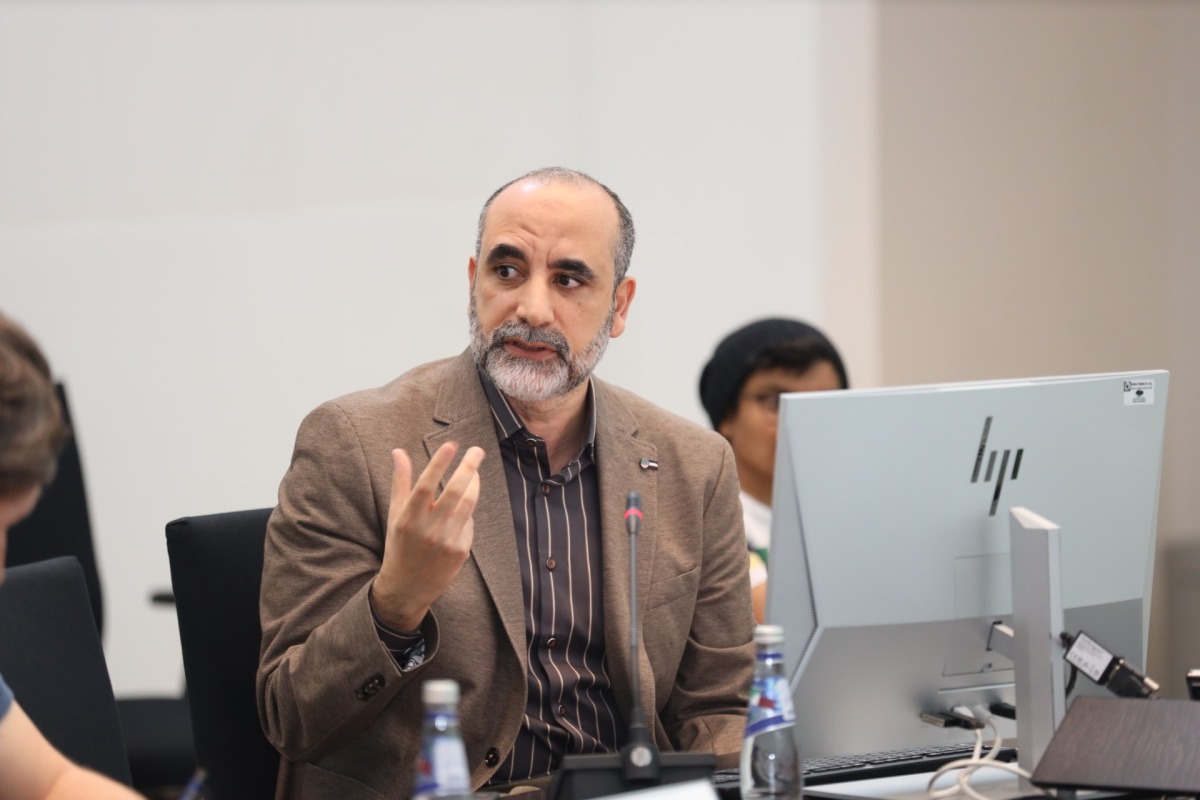

Doha, Qatar – Hamad Bin Khalifa University (HBKU) has officially launched the International Islamic Bioethics Association (IIBA), marking a pivotal step towards establishing a globally recognized center for Islamic bioethics. The inaugural meeting, held at HBKU’s Education City campus, brought together leading scholars and practitioners to discuss the evolving field and its role in addressing contemporary challenges. This initiative follows HBKU’s successful hosting of the 17th World Congress of Bioethics in 2024 and its upcoming ‘AI Ethics’ conference in 2025.
The formation of the IIBA, announced this week, is spurred by a growing international need for ethical frameworks that respect both scientific advancements and diverse cultural and religious values. According to HBKU officials, the association intends to serve as a central forum for research, collaboration, and policy development related to bioethics from an Islamic perspective.
Advancing Islamic Bioethics on an International Stage
The IIBA’s creation is a natural progression of HBKU’s existing work in ethical studies, particularly through its Research Centre for Islamic Legislation and Ethics (CILE). Dr. Mohammed Ghaly, Founding President of the IIBA and Head of CILE, emphasized the university’s commitment to shaping informed responses to complex ethical dilemmas. These include considerations related to artificial intelligence, public health crises, and sustainable development.
Dr. Ghaly’s opening address, “A Voice, Not an Echo: Islamic Bioethics in Dialogue with the World,” set the tone for the meeting, highlighting the need for proactive and contextually relevant ethical guidance. He argued that Islamic moral thought possesses a rich and largely untapped potential to contribute meaningfully to global bioethical debates.
A Collaborative Approach to Ethical Challenges
The inaugural meeting featured several interactive panels designed to facilitate knowledge sharing among participants. A dedicated “Stakeholder Roundtable,” focusing on “A Dialogue with Qatar’s Biomedical & Healthcare Ecosystem,” proved particularly valuable. It provided a direct channel for discussion between ethicists and those working on the front lines of healthcare and biomedical research in Qatar.
Participants addressed a range of pressing issues, including the ethical implications of gene editing, organ transplantation, and end-of-life care. The discussion also centered on navigating the intersection of healthcare ethics and rapidly evolving technologies like artificial intelligence. This is a crucial area, as AI increasingly influences medical diagnoses and treatment protocols.
The IIBA aims to distinguish itself through practical application, connecting academic research with real-world policy and clinical practice. This focus on implementation differentiates it from other academic bioethics organizations. However, challenges remain in translating complex theological and philosophical concepts into actionable guidelines.
HBKU’s hosting of the 2024 World Congress of Bioethics signaled Qatar’s growing prominence in the field of global ethics. This congress was the first of its kind held in the Arab world, drawing attention to the unique perspectives and insights offered by Islamic scholarship. The IIBA builds on this momentum, solidifying Qatar’s position as a hub for ethical considerations.
The association’s work also acknowledges an increasing demand for culturally sensitive ethical frameworks as globalization continues. While universal ethical principles are widely accepted, their application often requires nuanced understanding of local values and beliefs. The IIBA intends to foster this understanding through its research and outreach initiatives. Additionally, the integration of Islamic ethics within the realm of technological advancements, specifically AI ethics, is a key component of their long-term vision.
Looking ahead, the IIBA plans to organize regular conferences, workshops, and publications to disseminate its research and foster collaboration. A core objective over the next year is establishing working groups to address specific bioethical challenges, such as the ethical considerations surrounding pandemic preparedness and response. The association will also explore partnerships with international organizations and universities to expand its reach and influence. The success of these endeavors will largely depend on securing sustained funding and attracting top talent in the field of bioethics.
The IIBA’s long-term impact remains to be seen, but its establishment represents a significant investment in promoting ethical discourse within an Islamic framework and contributing to global discussions on pressing bioethical issues.