






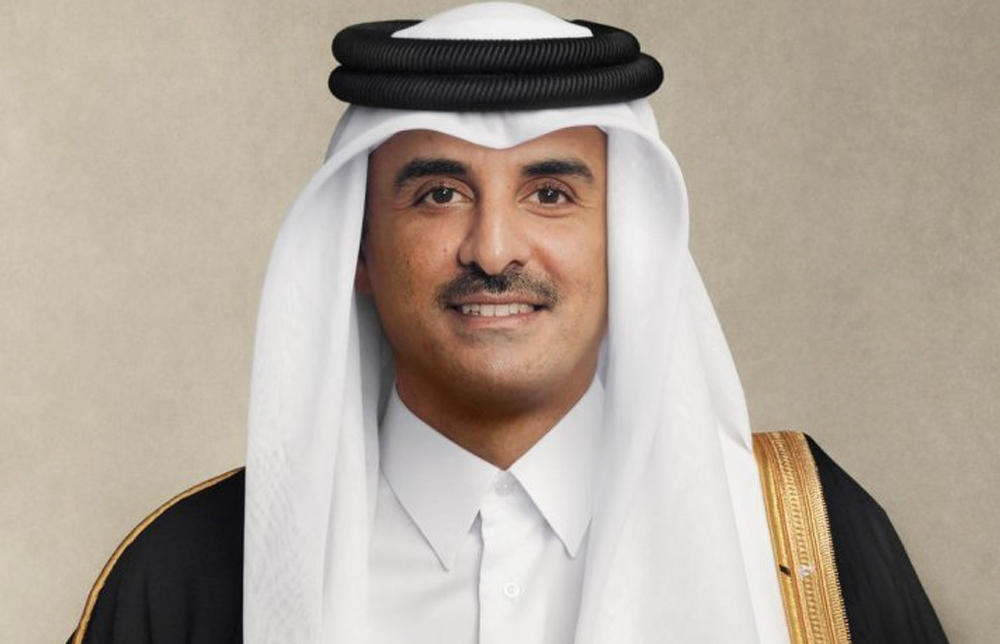

Doha, Qatar – In a significant development for the Qatari government, His Highness Sheikh Tamim bin Hamad Al-Thani has appointed Hazza bin Khalil bin Mansour Al Shahwani as the new Minister of State at the Amiri Diwan. The Amiri Order, No. 3 of 2025, was issued on Sunday and is effective immediately, marking a key change in the leadership structure of this vital governmental body. This ministerial appointment signals a continued focus on streamlining operations within the Amiri Diwan.
The Amiri Diwan serves as the administrative support office for the Amir of Qatar and oversees various crucial functions of the state. Al Shahwani’s appointment comes as Qatar continues to navigate a period of economic diversification and increased international engagement. The move is expected to contribute to the efficient implementation of the nation’s strategic vision, particularly concerning domestic affairs and royal court administration.
Understanding the Role of Minister of State at the Amiri Diwan
The Minister of State at the Amiri Diwan holds a prominent position within the Qatari government, acting as a direct liaison between the Amir and various ministries and governmental entities. This role is distinct from traditional ministerial portfolios, focusing instead on coordination, oversight, and the implementation of specific Amiri directives. According to analysts, the position often involves managing sensitive projects and ensuring alignment with the Amir’s overall policy goals.
Responsibilities and Scope
The Amiri Diwan’s responsibilities are broad, encompassing areas such as protocol, security, and the management of Amiri properties. The Minister of State plays a critical role in ensuring these functions operate smoothly and effectively. Additionally, the office often handles high-level communications and contributes to policy formulation on matters of national importance.
Hazza bin Khalil bin Mansour Al Shahwani brings a wealth of experience to this position. While details of his previous roles are still emerging, reports indicate a long-standing career within the Qatari civil service, demonstrating a deep understanding of governmental processes. His background is expected to facilitate a seamless transition and continued progress on ongoing initiatives.
This ministerial appointment follows a period of ongoing reforms within the Qatari government aimed at enhancing efficiency and transparency. The nation is actively working towards achieving the goals outlined in its National Vision 2030, which prioritizes sustainable development, economic diversification, and social progress. The Amiri Diwan, under the guidance of its new Minister of State, will likely be instrumental in driving these reforms forward.
Qatar’s political landscape is characterized by a strong central authority vested in the Amir. The Amiri Diwan, therefore, functions as a central hub for decision-making and implementation. The appointment of Al Shahwani is consistent with this structure, reinforcing the Amir’s direct control over key governmental functions. This is particularly relevant as Qatar prepares to host future international events, requiring meticulous coordination and planning.
The timing of this government reshuffle is noteworthy, occurring amidst regional geopolitical shifts and ongoing economic adjustments. Qatar has been actively working to strengthen its relationships with key international partners, and the efficient functioning of the Amiri Diwan is crucial for maintaining these ties. The appointment could also be seen as a preparation for potential new initiatives or policy changes in the coming months.
Observers are also noting the potential impact on Qatar’s economic policy. While the Minister of State at the Amiri Diwan doesn’t directly oversee economic portfolios, the position’s influence on overall governmental strategy means Al Shahwani could play a role in shaping future economic direction. The focus on diversification and sustainable growth is expected to remain a priority.
Looking ahead, the immediate focus will be on Al Shahwani’s integration into the Amiri Diwan and his familiarization with ongoing projects. It remains to be seen whether this leadership change will be accompanied by any broader restructuring within the office. Further announcements regarding specific policy initiatives or adjustments are anticipated in the coming weeks, as the government continues to implement its long-term vision for the country.
The next steps will involve a formal handover of responsibilities and a period of assessment to identify areas for improvement within the Amiri Diwan. The extent of any resulting changes will likely become clearer as Al Shahwani establishes his priorities and begins to implement his strategies. Monitoring official statements and governmental publications will be key to understanding the full implications of this appointment.