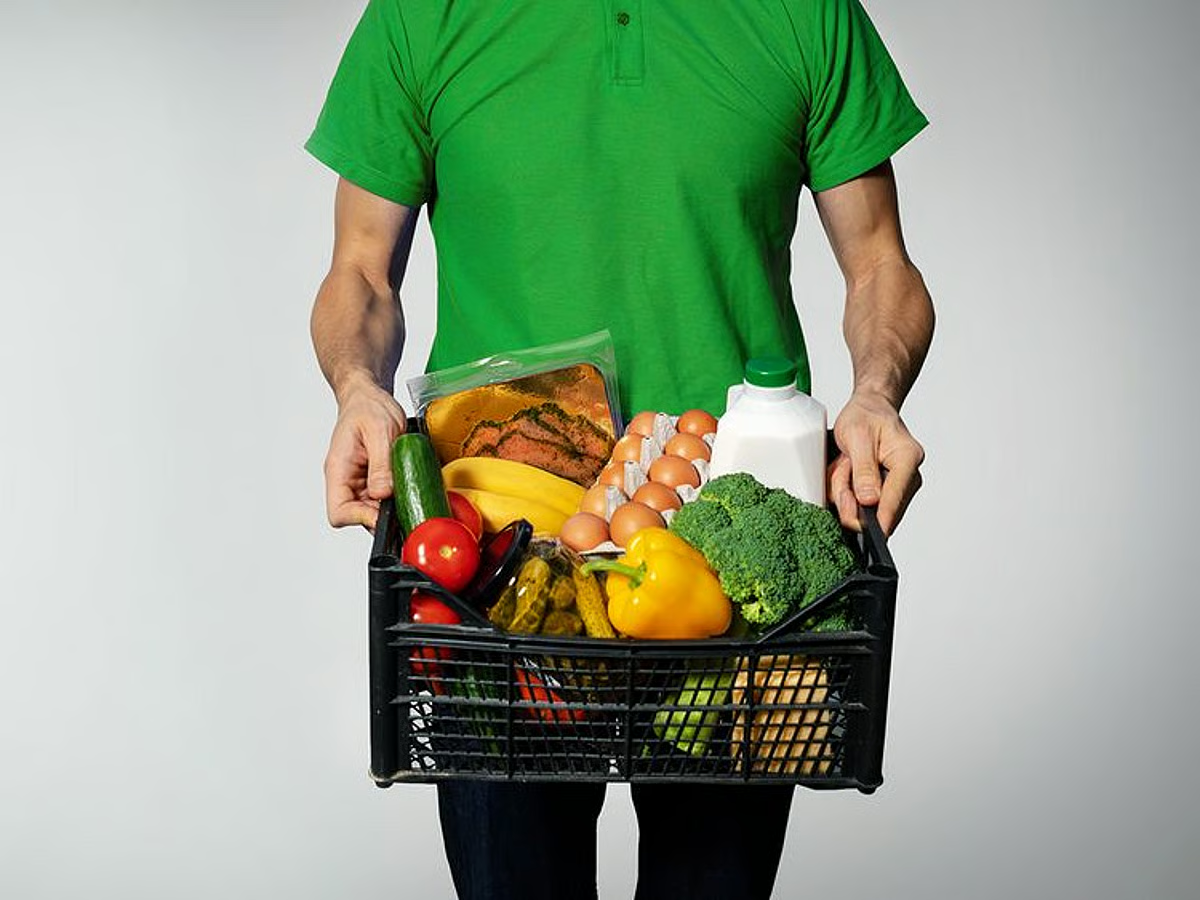

The demand for delivery services continues to solidify its place in daily life across the UAE, with significant growth observed in food, grocery, and quick commerce sectors. Recent data from leading platforms like Talabat and noon reveal evolving consumer habits, including a rise in impulse purchases and a preference for familiar comfort items. This trend highlights a shift in how residents approach shopping and meal planning, prioritizing convenience and speed.
The Rise of On-Demand Delivery in the UAE
Figures released in December 2025 demonstrate a sustained reliance on delivery apps, extending beyond essential needs. Noon reported a surge in orders for unconventional items, such as reindeer napkins and inflatable pool floats, indicating a broadening scope of use. Notably, the platform saw over 25,000 “Secret Santa” groups formed utilizing new in-app features, suggesting delivery services are now integrated into social activities.
Additionally, noon observed increased adoption of AI-powered shopping tools, assisting customers in navigating their extensive product catalog. The company described the user experience as “fast, human, and often delightfully unexpected,” pointing to the potential of artificial intelligence to personalize and streamline the online shopping journey.
Impulse Buying and Faster Turnaround Times
The availability of rapid delivery, particularly through noon’s supermall offering with 60-minute delivery, is fueling a trend of impulse purchases. Orders for items like anti-snoring devices, fidget toys, and even adult dinosaur costumes saw substantial increases. This suggests consumers are less inclined to plan purchases when items can arrive so quickly.
Comfort Food and Grocery Staples Lead Delivery Orders
While diverse items are being ordered, comfort food remains a dominant force in the delivery services market. Talabat data shows that over 47 million burgers were ordered across the UAE in 2025, demonstrating the enduring popularity of classic fast food. However, the most frequently ordered food item was surprisingly the mini cheese pizza, with over 1.3 million orders placed throughout the year.
Beverage preferences mirrored this pattern of familiarity. Iced Americano was the top-selling drink on Talabat, closely followed by matcha lattes. This indicates a strong demand for established coffee choices, even within the convenience of on-demand delivery.
Grocery delivery also saw consistent demand for essential items. Laban, a traditional yogurt drink, was a particularly popular choice, with over 620,000 orders fulfilled through Talabat Mart. This highlights the role of food delivery apps in maintaining access to everyday staples.
The growth in grocery delivery is also impacting traditional retail. Supermarkets and hypermarkets are increasingly investing in their own delivery capabilities or partnering with existing platforms to remain competitive in the evolving market. This competition is expected to drive further innovation in delivery speed and service quality.
Experts suggest the continued expansion of quick commerce – the promise of delivery in under 30 minutes – will be a key factor in shaping the future of the industry. This model, while currently concentrated in urban areas, is expected to extend to more regions as infrastructure and logistics improve. The increasing use of dark stores, strategically located warehouses dedicated to fulfilling online orders, is a key component of this expansion.
The convenience offered by these platforms is also influencing consumer spending habits, with a noticeable increase in overall online purchases. This trend is further supported by the UAE’s high internet penetration rate and a growing preference for cashless transactions. The government’s ongoing initiatives to promote digital transformation are also contributing to the sector’s growth.
Looking ahead, the focus for delivery companies will likely be on optimizing logistics, reducing delivery costs, and enhancing the user experience. The integration of advanced technologies, such as drone delivery and autonomous vehicles, remains a long-term goal, though regulatory hurdles and infrastructure limitations currently pose challenges. Further data releases in the first quarter of 2026 will provide a clearer picture of whether these trends continue and how the market responds to potential new regulations or economic shifts.