






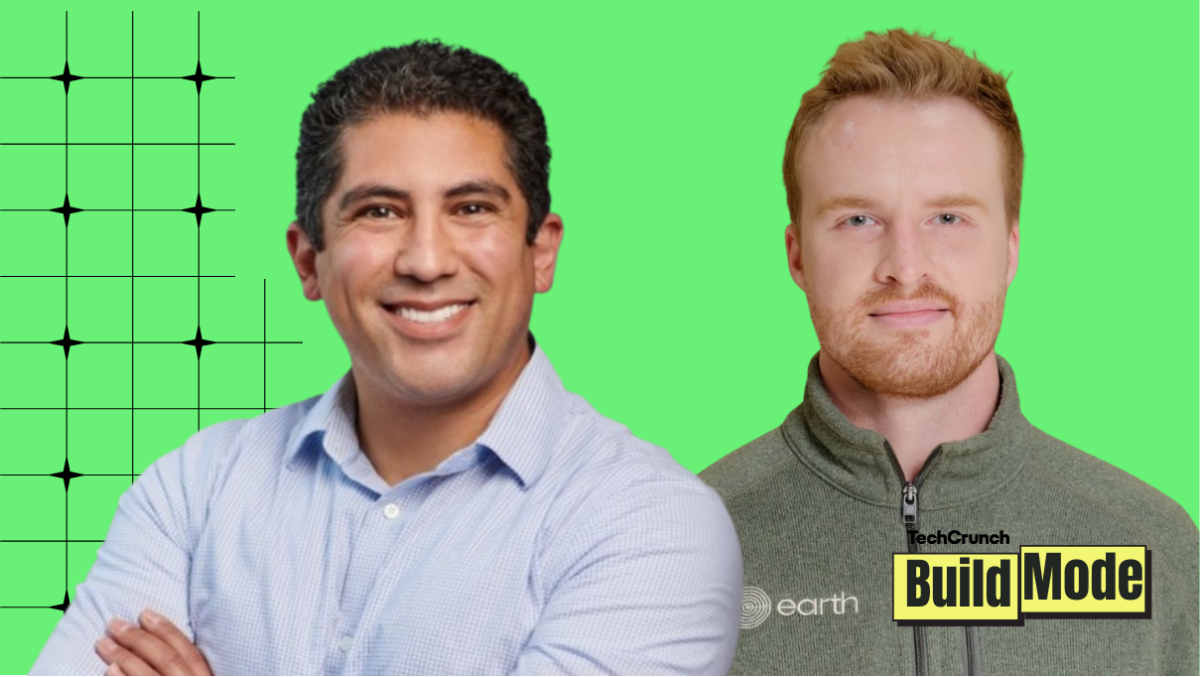

Building a startup is challenging, but navigating heavily regulated industries adds layers of complexity. A recent episode of the “Build Mode” podcast highlighted the unique hurdles faced by founders in sectors like healthcare and death care, where rapid iteration is often impossible and regulatory approval can take years. The discussion focused on the strategies employed by two companies – Enspectra Health and Earth Funeral – to overcome these obstacles and bring innovative products to market.
The podcast, featuring Enspectra Health founder Gabriel Sanchez and Earth Funeral founder Tom Harries, detailed the lengthy processes of securing FDA clearance and navigating state-by-state regulations. Both founders emphasized the importance of meticulous planning, extended runways, and a willingness to adapt when facing unpredictable timelines. The episode, hosted by Isabelle Johannessen, is available on platforms like YouTube and through podcast apps.
The Realities of Building in Regulated Industries
The core challenge of operating in a regulated industry is the inherent lack of control. Unlike many tech startups that can quickly test and refine products based on user feedback, companies in sectors like medical devices or funeral services are often bound by strict rules and lengthy approval processes. This significantly impacts product development cycles and overall business strategy.
FDA Approval: A Decade-Long Journey
Sanchez of Enspectra Health described his company’s nearly decade-long pursuit of FDA clearance for its skin imaging device. The process involved extensive research, clinical trials, and detailed documentation to demonstrate the device’s safety and efficacy. This protracted timeline necessitated careful financial planning and a strategy for maintaining momentum while awaiting regulatory decisions.
According to the FDA, the clearance process varies depending on the risk classification of the device. Class I devices, considered low-risk, typically require general controls, while Class III devices, posing the highest risk, demand premarket approval, a much more rigorous process. Enspectra’s experience underscores the substantial investment – both in time and capital – required to bring a medical device to market.
Navigating Cultural Taboos and Legal Frameworks
Harries of Earth Funeral faced a different, but equally complex, set of challenges. His company offers human composting, also known as natural organic reduction, as an alternative to traditional burial and cremation. This service encounters both cultural resistance and a patchwork of state laws governing disposition of remains.
Currently, human composting is legal in a growing number of states, including Washington, Colorado, Oregon, Vermont, California, and New York. However, regulations vary significantly, impacting operational requirements and market access. Harries explained the need to educate the public about the process and address concerns related to hygiene and environmental impact. This required a nuanced approach to marketing and public relations, alongside diligent legal compliance.
Strategic Iteration During Regulatory Hold
Both Sanchez and Harries highlighted the importance of finding ways to iterate and improve their businesses *while* waiting for regulatory approvals. For Enspectra, this meant continuing to refine the device’s software and user interface, and exploring potential applications beyond the initial target market. This allowed them to stay active and prepare for launch without jeopardizing their FDA submission.
Earth Funeral focused on building relationships with landowners and establishing a network of funeral homes willing to offer their services. They also invested in research to optimize the composting process and demonstrate its environmental benefits. This proactive approach positioned them for rapid expansion as regulations evolved and public acceptance grew.
Securing Venture Capital in Challenging Spaces
Raising capital for companies in heavily regulated industries can be difficult. Many venture capitalists are hesitant to invest in sectors with long timelines, high regulatory risk, and potential public backlash. Sanchez and Harries discussed the need to identify investors who understand the unique dynamics of their respective markets and are willing to accept a longer-term investment horizon.
They emphasized the importance of demonstrating a clear path to profitability and highlighting the potential for significant market disruption. For Earth Funeral, this involved showcasing the growing demand for eco-friendly funeral options and the potential to reduce the environmental impact of traditional burial practices. The discussion touched on the increasing interest in sustainable business practices, which can attract impact investors.
The podcast also noted the importance of building a strong team with expertise in both the technical aspects of the business and the regulatory landscape. Navigating complex regulations requires specialized knowledge and a proactive approach to compliance. This is a key factor in attracting both investors and customers.
The challenges extend beyond initial approval. Ongoing compliance and potential regulatory changes require continuous monitoring and adaptation. This necessitates a dedicated internal team or reliance on external consultants with expertise in compliance management.
Looking ahead, the future of both Enspectra Health and Earth Funeral hinges on continued regulatory progress and evolving consumer preferences. For Enspectra, the next step involves scaling production and expanding its sales and marketing efforts following FDA clearance. For Earth Funeral, the focus will be on advocating for the legalization of human composting in more states and building a national network of composting facilities. The success of both companies will also depend on their ability to adapt to changing market conditions and maintain a strong commitment to innovation and ethical practices.