






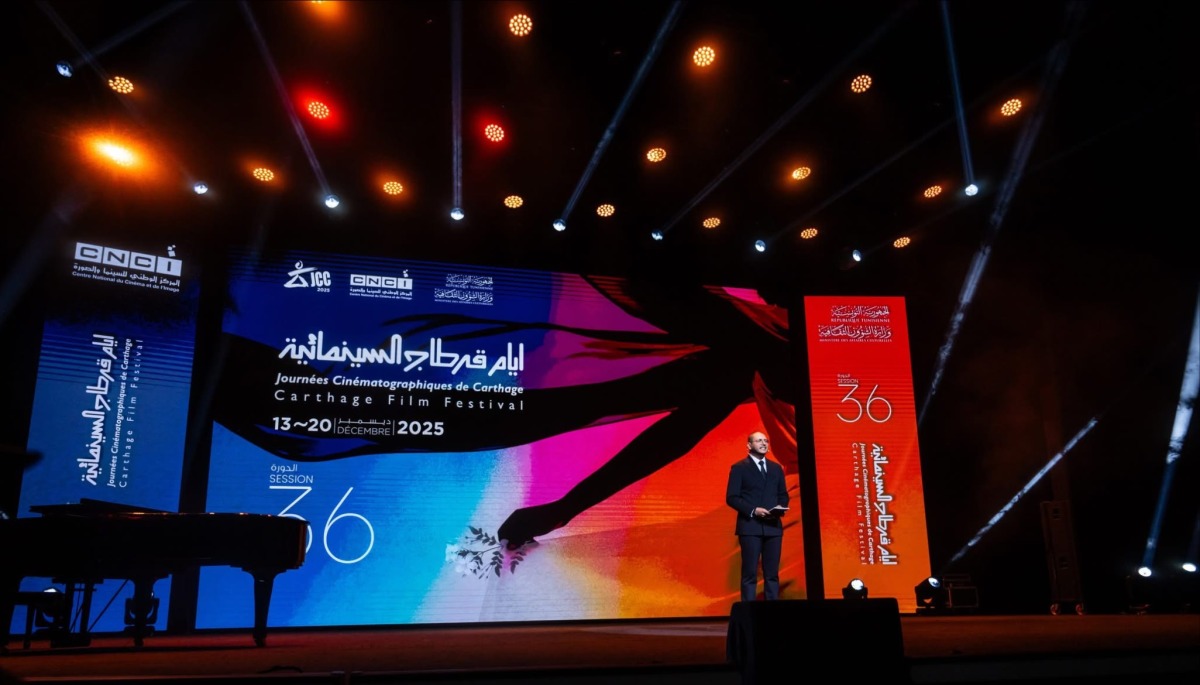

The 36th Carthage Film Festival concluded Saturday in Tunis, Tunisia, celebrating cinematic achievements from across the Arab and African continents. The festival, a significant event for filmmakers in the Global South, awarded top honors to “The Stories” as the best feature-length fiction film. This year’s event showcased a diverse range of films and dedicated programs to pressing global issues like environmental concerns and support for regional film projects.
Held at the Opera Theatre of the City of Culture, the festival presented Golden, Silver, and Bronze Tanit awards in feature fiction, documentary, and short film categories. The event also highlighted the Palestinian cause with a screening of “From Zero Distance” amidst ongoing conflict. The Carthage Film Festival continues to be a vital platform for emerging and established filmmakers alike.
Celebrating Arab and African Cinema at the Carthage Film Festival
Founded in 1966, the Carthage Film Festival has a long history of promoting and recognizing cinematic talent from Africa and the Arab world. It stands as the oldest film festival in the Global South, providing a crucial space for filmmakers who often lack the visibility afforded to those in more established international circuits. This year’s edition built on that legacy, attracting both industry professionals and a wide audience.
Key Award Winners
“The Stories,” a film whose origin is not specified in available reports, took home the coveted Golden Tanit for feature-length fiction. The Silver Tanit in this category was awarded to “My Father’s Shadow” from Nigeria, while Jordan’s “Sink” received the Bronze Tanit. These awards recognize excellence in storytelling, direction, and overall production quality.
In the documentary category, “Clinging” from Senegal earned the Golden Tanit. “The Lions on the Tigris River,” an Iraqi documentary, was recognized with the Silver Tanit, and “Above the Hill” from Tunisia secured the Bronze Tanit. Documentary films at the festival often tackle social and political issues relevant to the region.
The short film competition saw Egypt’s “32: Internal Problems” win the Golden Tanit. “Endangered” from Palestine received the Silver Tanit, and Lebanon’s “Still Swimming” was awarded the Bronze Tanit. Short films provide a platform for experimental and emerging filmmakers to showcase their work.
Beyond the Tanits: Recognizing Artistic Excellence
The judging panel also bestowed an Honorary Prize on the Tunisian film “The Voice of Hind Rajab.” Additionally, Saja Kilani, the actress starring in “The Voice of Hind Rajab,” was awarded the Best Actress Award for her compelling performance. These accolades highlight individual contributions to the art of filmmaking.
Technical achievements were also celebrated, with “Diya” from Chad winning prizes for both Best Music and Best Editing. Saudi Arabia’s “Hijra” was recognized for Best Cinematography, and Saudi actor Nawwaf Al Dhafiri took home the Best Actor Award. These awards demonstrate the growing sophistication of film production across the region.
Notably, the Tunisian film “Where the Wind Takes Us” achieved a double win, securing both the Best Screenplay Award and the Audience Award. This suggests a strong connection between the film’s narrative and the preferences of festival attendees, indicating its broad appeal and resonance. Film festivals like Carthage are important for gauging audience reaction.
The inclusion of “From Zero Distance,” a documentary focusing on the Palestinian experience, during a period of intense conflict in Gaza underscored the festival’s commitment to addressing politically charged themes. The screening provided a platform for raising awareness and fostering dialogue about the ongoing situation. African film often reflects the realities of the continent and its diaspora.
Looking ahead, organizers have not yet announced dates for the 37th edition of the Carthage Film Festival. However, given its consistent annual schedule, an announcement is expected in the coming months. The continued success of the festival will likely depend on securing funding and maintaining its relevance in a rapidly evolving global film landscape. The future of independent cinema relies on events like this.