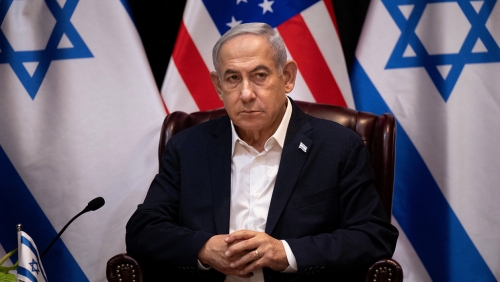

Israeli Prime Minister Benjamin Netanyahu recently approved a landmark $35 billion natural gas export deal with Egypt, a move poised to reshape the energy landscape of the Middle East. This deal, facilitated by energy giant Chevron, signifies Israel’s growing prominence as a regional energy supplier and sets the stage for enhanced economic cooperation. The implications of this natural gas deal extend beyond economics, touching upon geopolitics and regional stability, while simultaneously bolstering Israel’s security partnerships.
The $35 Billion Natural Gas Export Deal: A Historic Agreement
The agreement will see Israel supply Egypt with natural gas over a period of 15 years. This marks the largest gas agreement in Israeli history, dwarfing previous energy collaborations. Netanyahu emphasized the profound impact this deal will have on the Israeli economy, specifically directing half the revenue towards critical national priorities.
These priorities include strengthening the education system, improving healthcare infrastructure, enhancing national security, and investing in future generations. Energy Minister Eli Cohen echoed this sentiment, highlighting the sheer scale of the agreement and its importance to Israel’s economic future. This isn’t simply about selling gas; it’s about securing long-term prosperity.
Terms and Conditions of the Export Agreement
While specific details are still emerging, it’s understood that the deal involves leveraging Israel’s significant offshore gas reserves, primarily from the Leviathan and Tamar fields. The gas will be transported to Egypt via existing pipeline infrastructure, further utilizing existing regional resources. The long-term nature of the agreement provides Egypt with a stable and reliable energy source, a critical element for its growing economy. It also demonstrates a confidence in the continued operation and security of the pipeline.
Strengthening Israel-Egypt Relations Amidst Regional Tensions
The timing of this energy partnership is particularly noteworthy. Despite the recent and ongoing complexities surrounding the Gaza conflict, where Egypt has played a crucial role as a mediator between Israel and Hamas, relations between Jerusalem and Cairo have demonstrably strengthened. Egypt has publicly criticised some Israeli actions in Gaza, yet this multi-billion dollar deal showcases a pragmatic approach rooted in mutual economic benefit.
This collaboration transcends the immediate political environment. It establishes a concrete area of cooperation that can serve as a foundation for broader diplomatic engagement. The deal’s success is contingent upon ongoing stability, providing both nations with a vested interest in maintaining peace and preventing escalation.
Geopolitical Significance: Israel as an Energy Hub
This deal firmly positions Israel as a key player in the Eastern Mediterranean energy market. Beyond Egypt, Israel is also pursuing energy export agreements with other regional partners and European nations, aiming to diversify its energy reach and maximize revenue. The long-term vision is to transform Israel into a significant energy exporter, reducing reliance on traditional energy sources for both itself and its neighbours.
This ambition isn’t without its challenges, including navigating complex geopolitical dynamics and ensuring the security of energy infrastructure. However, the reward—a substantial revenue stream and increased regional influence—is significant.
Complementary Security Investments: The Arrow 3 Deal
Meanwhile, in related news, German lawmakers have approved an expansion of a defense agreement concerning Israel’s Arrow 3 missile defense system. This expansion increases the value of the deal to $6.5 billion, marking Israel’s largest defense export agreement to date. The Arrow 3 is a sophisticated, long-range interceptor designed to counter ballistic missiles, offering crucial protection to Israel and, potentially, to allied nations.
Synergy Between Energy Security and National Defence
The simultaneous advancement of both the natural gas and defense agreements highlights a clear strategy: strengthening Israel’s economic prosperity and national security in tandem. The energy deal provides economic resources, while the defense deal bolsters its protective capabilities. This synergistic approach demonstrates a comprehensive understanding of the interconnectedness between economic and security concerns in the volatile Middle East. The success of the Israeli gas exports will be tightly linked with regional and geopolitical stability for which the arrow 3 deal becomes important.
The Arrow 3 system’s expansion, funded in part by Germany, also underscores the importance of transatlantic security cooperation. This further cements Israel’s position as a critical strategic partner for both the United States and Europe.
Looking Ahead: Implications and Next Steps
The $35 billion natural gas deal between Israel and Egypt is a pivotal moment for both nations. It promises economic advantages, strengthened diplomatic ties, and enhanced regional stability, albeit within a complex geopolitical context. The agreement’s implementation will require careful coordination between Israeli and Egyptian authorities, alongside continued security assurances.
Additionally, ongoing negotiations with other potential energy partners will shape the future of Israel’s role as an energy powerhouse. This deal serves as a strong signal, attracting further investment and solidifying Israel’s position in the global energy market. This landmark agreement merits close observation as it evolves, influencing not only the energy sector but also the broader trajectory of Middle East politics.
What are your thoughts on this new energy partnership? Share your perspectives in the comments below and join the conversation about the future of energy in the region. You may also want to read more about Israel’s energy policy and Egypt’s energy needs for a more comprehensive understanding.