





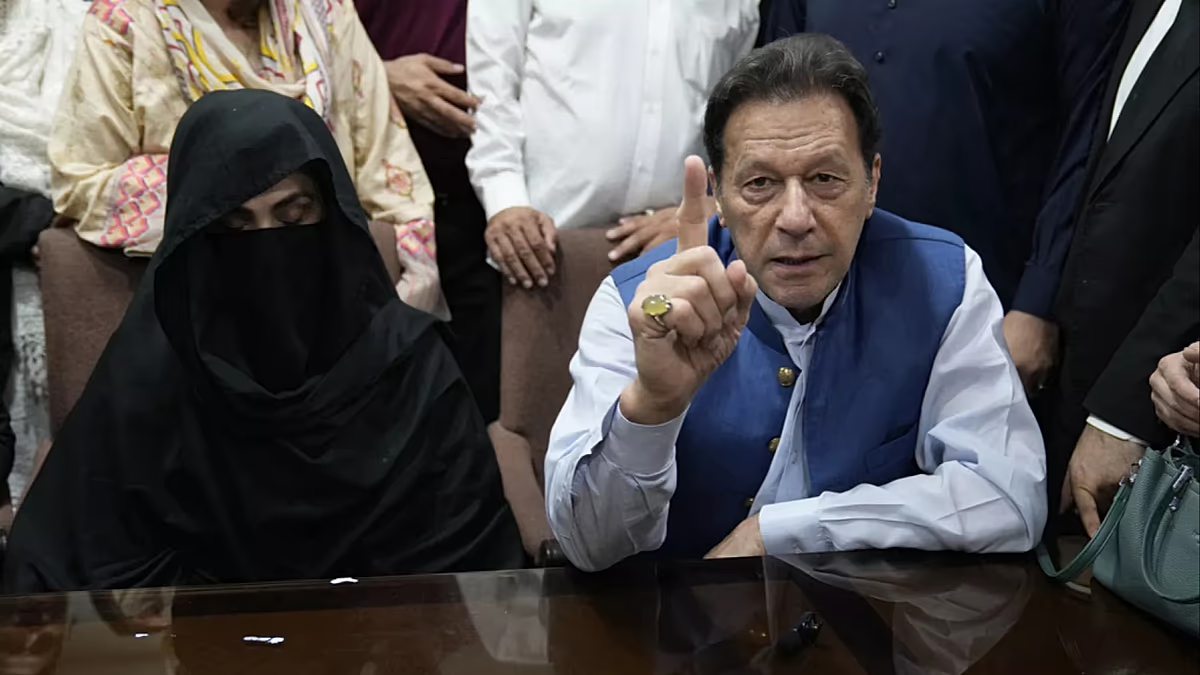

Former Pakistani Prime Minister Imran Khan and his wife, Bushra Bibi, were sentenced to 17 years in prison on December 20, 2025, after being found guilty of illegally retaining and selling state gifts. The conviction, handed down by a Pakistani court, centers on allegations that the couple profited from gifts received while Khan was in office. This ruling represents the latest legal challenge for Khan, a prominent and often controversial figure in Pakistani politics, and further complicates the political landscape.
The court determined that Khan and Bibi undervalued gifts, including jewelry from the Saudi Arabian government, and subsequently sold them for significantly less than their market value. Prosecutors alleged the declared value was approximately €8,500, while the actual market value reached €244,700. Khan’s legal team has stated they will appeal the verdict.
Imran Khan’s Corruption Conviction: Details of the Case
Pakistani law requires government officials and politicians to purchase any gifts received from foreign dignitaries at the assessed market value and to publicly declare any income generated from their subsequent sale. According to the prosecution, Khan and Bibi failed to adhere to these regulations, effectively converting state property into personal profit. The presiding judge found ample evidence to support the charges, resulting in the lengthy prison sentence for both individuals.
Khan’s spokesperson, Zulfiquar Bukhari, criticized the sentencing, asserting that it disregarded fundamental principles of justice. He further claimed the “criminal liability was imposed without proof of intent, gain, or loss, relying instead on a retrospective reinterpretation of rules,” raising questions about the application of legal standards in the case.
Meanwhile, Information Minister Attaullah Tarar defended the court’s decision, stating that Khan and Bibi were convicted based on solid evidence of corruption. Tarar emphasized the fairness of the process, and asserted that the court reached a just outcome, fulfilling its duty to uphold the law.
Political Fallout and Allegations of Rigging
This sentencing has ignited strong reactions from Khan’s political party, Pakistan Tehreek-e-Insaf (PTI). PTI officials denounced the ruling as “a black chapter in history” and voiced concerns over the fairness of the trial, alleging that Khan was denied a fair hearing. Specifically, the party claimed his family was barred from accessing the court during the verdict announcement.
Adding to the controversy, PTI representatives have repeatedly claimed widespread rigging in the February 2024 parliamentary elections, where despite a strong showing, the party did not secure a majority. These allegations, which have been denied by the government, contribute to a climate of political distrust within Pakistan. This Reuters report provides additional context on the sentencing.
Khan, who was ousted from power in a no-confidence vote in April 2022, remains a popular figure amongst many Pakistanis. However, he has faced a series of legal challenges since his removal, including multiple corruption convictions and other charges. These challenges, he contends, are politically motivated attempts to dismantle his career.
Khan has consistently alleged that his removal was orchestrated by a U.S.-backed conspiracy in collaboration with Pakistan’s military, claims fiercely disputed by both Washington and the Pakistani armed forces. This narrative has played a significant role in energizing his supporters and shaping the political discourse surrounding his legal battles. The situation is further complicated by the ongoing tensions between the civilian government and the powerful military establishment in Pakistan.
The conviction of Imran Khan and his wife signals a potential turning point in Pakistani politics. For now, Khan remains in custody and intends to appeal the decision. Political analysts will be watching closely for any impact this ruling has on the stability of the current government and the future of the ongoing political tensions within the country. Follow developments in this case as appeals are filed and the political repercussions unfold.
Recent political developments in Pakistan highlight the complexities of navigating power transitions and upholding the rule of law. This verdict relating to the former Prime Minister’s conduct will undoubtedly fuel further debate on governmental accountability and transparency.