






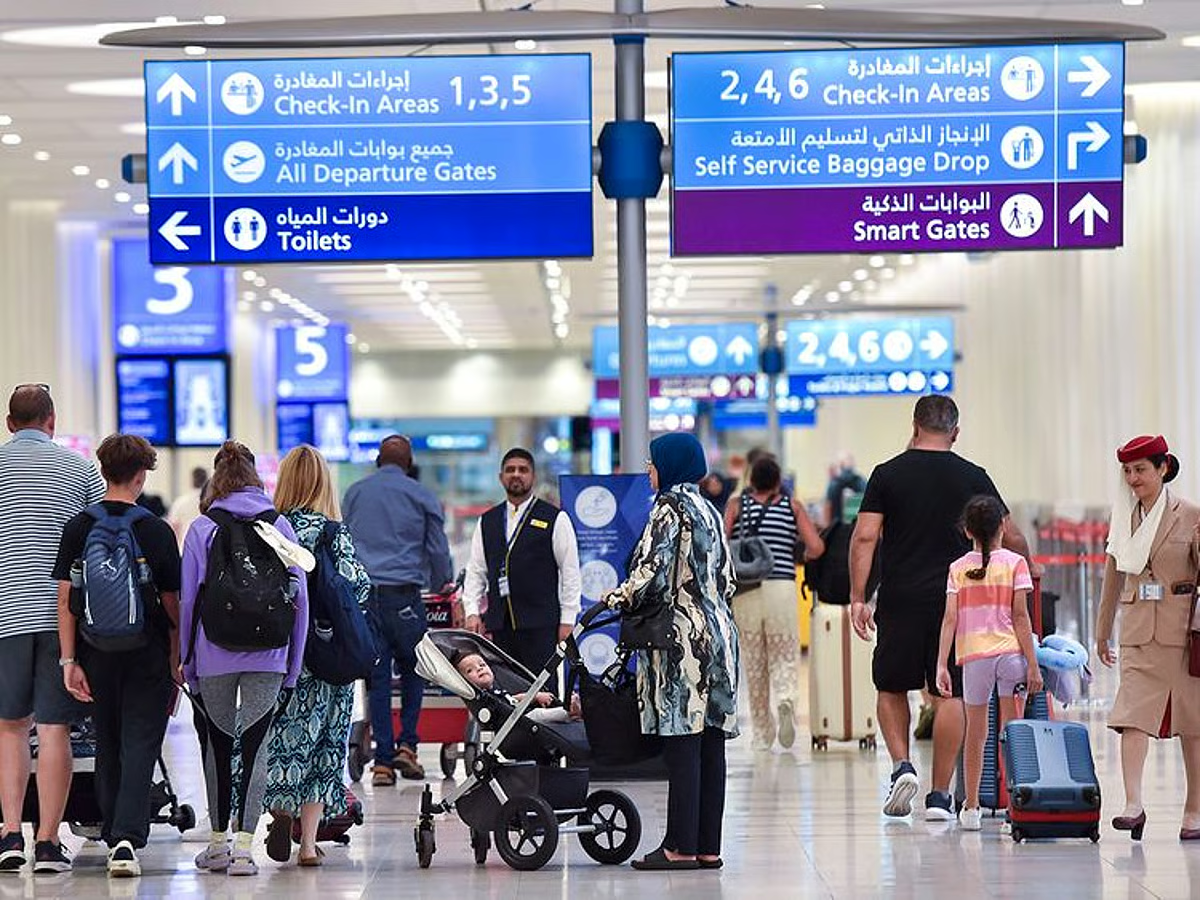

As winter travel surges, passengers are reminded of crucial safety regulations concerning lithium battery powered devices. Recent updates from airlines like Emirates and flydubai, alongside guidance from the International Air Transport Association (IATA), emphasize the risks associated with these batteries and outline strict rules for their transport. These regulations are in place to mitigate the potential for fires, stemming from the thermal runaway phenomenon that can occur with damaged or improperly handled lithium batteries.
The core of the issue lies in the reactive nature of lithium batteries. These batteries, commonly found in smartphones, laptops, and portable power banks, can overheat and pose a fire hazard if short-circuited, damaged, or improperly packed. Consequently, airlines and international aviation bodies have implemented specific guidelines to ensure passenger safety during air travel. The regulations primarily focus on packaging, location during flight, and permissible wattage limits.
Essential Rules for Safe Lithium Battery Travel
Traveling with lithium-powered devices requires careful preparation. The primary rule is that all such devices must be carried in hand luggage. This allows crew to monitor any potential issues and respond quickly if a device begins to overheat or show signs of damage.
Additionally, spare lithium batteries require special attention. To prevent short circuits, battery terminals should be covered with non-conductive tape, or placed within the original retail packaging. Protecting these terminals is a simple preventative measure that can significantly reduce risks.
Battery Size Restrictions
Regulations also categorize batteries by their Watt-hour (Wh) rating. Batteries up to 100 Wh are generally permitted in carry-on baggage. However, batteries between 100 Wh and 160 Wh require approval from the airline before they can be carried. Batteries exceeding 160 Wh are typically prohibited altogether, according to IATA guidelines.
Furthermore, even if a device is allowed, it’s crucial to remove it from any gate-checked baggage. Gate checking, while convenient, doesn’t afford the same level of monitoring as being onboard the aircraft with the passenger.
Emirates and flydubai Specific Guidelines
Emirates and flydubai have recently clarified their policies concerning portable power banks. Both airlines currently allow only one power bank per passenger in carry-on baggage, with a capacity of less than 100 Wh.
Importantly, charging power banks or other lithium devices is prohibited during flights on both airlines. Power banks must be stored under the seat, within reach of the passenger, and are strictly forbidden in checked baggage. These measures are designed to minimize the risk of undetected overheating or damage during the flight.
Addressing Common Misconceptions
A widespread misunderstanding is that small lithium devices can safely be placed in checked luggage. IATA consistently stresses that this is incorrect and significantly increases the risk of a fire incident that passengers and crew would be unable to address quickly. This applies not only to power banks but also to items like e-cigarettes and vapes.
Another common misconception involves the suitability of checked baggage for holding spare batteries. Airline policies and safety recommendations explicitly forbid this practice. The controlled environment of the cabin is essential for managing the potential hazards associated with these batteries.
Travel Smart This Winter: Device Considerations
With the increasing number of travelers relying on multiple electronic devices, adhering to these regulations is more vital than ever. Smart luggage equipped with non-removable lithium batteries poses a particular challenge, in some cases leading to restrictions depending on airline policy. Passengers should consult their specific carrier’s rules regarding such luggage.
E-cigarettes and vapes, which invariably contain lithium batteries, are also subject to strict carry-on only requirements. Their use and charging are prohibited onboard aircraft. A broad range of everyday items, including portable speakers, digital cameras, electric toothbrushes, and even some small power tools, fall under these regulations due to their battery content.
Beyond batteries, understanding the risks associated with damaged devices is key. If a phone, laptop, or other device becomes hot, emits smoke, or sustains damage, passengers are urged to immediately inform a member of the flight crew. Prompt reporting allows for a rapid assessment of the situation and appropriate action.
The evolving nature of technology necessitates ongoing review and potential adjustments to these regulations. Expect further clarification from aviation authorities regarding new devices and battery technologies in the coming months. Airlines will likely continue to update their specific policies to align with the latest safety guidelines, and passengers are advised to check directly with carriers before travel to confirm current requirements for their portable electronics.