
Riyadh is experiencing a significant surge in tourism, attracting over 15.1 million visitors through the end of the third quarter of the current winter season. This influx of domestic and international travelers underscores the Saudi capital’s growing appeal as a hub for both business and leisure. The substantial increase in visitor numbers is driving economic growth within the region, according to recent data released by the Ministry of Tourism.
The Ministry of Tourism reported that total tourist expenditure in Riyadh reached approximately SR33 billion during this period. This figure represents an 18 percent increase in spending compared to the previous comparable timeframe, demonstrating the positive economic impact of the region’s expanding tourism sector. The growth is attributed to a wider range of events and activities, coupled with ongoing infrastructure improvements.
Riyadh’s Rising Popularity as a Tourism Destination
The recent performance aligns with Saudi Arabia’s broader Vision 2030 plan, which prioritizes the development of the tourism industry as a key pillar of economic diversification. Historically, the Kingdom’s economy has been heavily reliant on oil revenues; increasing tourism revenue offers a more sustainable and varied economic base. The focus on urban tourism, specifically in Riyadh, is a central component of this strategy.
Several factors are contributing to Riyadh’s increased attractiveness. The city has invested heavily in new entertainment venues, cultural attractions, and improved hospitality services. Additionally, the easing of visa restrictions in recent years has made it easier for international visitors to enter the country. This has opened up the market to a wider range of potential tourists.
Growth in Entertainment and Events
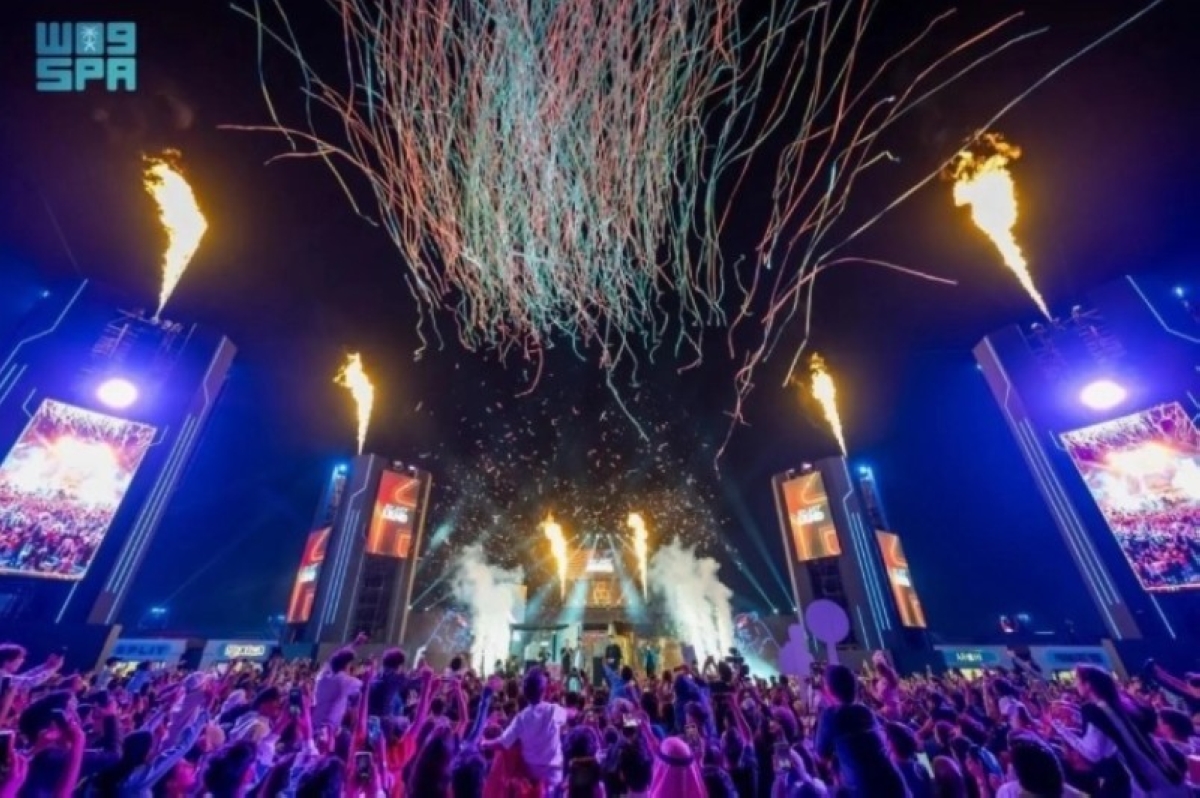
The diversification of events is a key driver of the increased tourist spending. Riyadh hosted a number of high-profile international events during the period, including concerts, sporting competitions, and business conferences. These events attract both domestic and international attendees, boosting spending on accommodation, dining, and other tourism-related services.
The Ministry of Tourism data indicates a particular increase in spending on entertainment activities. This suggests that visitors are increasingly drawn to Riyadh’s evolving cultural scene. The development of new entertainment districts and the promotion of local arts and crafts are contributing to this trend. The Kingdom is also actively promoting its historical sites and cultural heritage to attract visitors interested in exploring Saudi Arabia’s rich past.
Infrastructure Development and Hospitality
Significant investment in infrastructure has been crucial to supporting the growth in tourism. Riyadh has expanded its airport capacity, improved its road network, and increased the availability of high-quality accommodation. The development of new hotels and resorts has been particularly important in meeting the growing demand from tourists.
However, the rapid growth in tourism also presents challenges. Maintaining the quality of services and ensuring sustainable tourism practices are key concerns. The Ministry of Tourism is working with local businesses and stakeholders to address these challenges and ensure that the benefits of tourism are shared widely. Sustainable travel is becoming increasingly important to international visitors.
Meanwhile, the growth in Riyadh’s tourism sector is having a ripple effect on other industries. The hospitality sector, in particular, is benefiting from the increased demand for accommodation and dining services. Local businesses are also seeing increased sales as tourists spend money on souvenirs, gifts, and other goods. This economic stimulus is vital for diversifying the Saudi economy.
In contrast to previous years, the winter season has proven particularly strong for Riyadh. The cooler temperatures make it a more attractive destination for outdoor activities and events. The Ministry of Tourism has capitalized on this by promoting Riyadh as a winter getaway destination. This targeted marketing campaign has helped to attract a larger number of visitors during the peak season.
The increased travel to Riyadh is also impacting the labor market. The hospitality sector is creating new job opportunities, and there is a growing demand for skilled workers in tourism-related industries. The government is investing in training programs to equip Saudi citizens with the skills needed to fill these positions. This focus on human capital development is essential for ensuring the long-term sustainability of the tourism sector.
Looking ahead, the Ministry of Tourism aims to continue building on this momentum. Plans are underway to develop new tourism products and experiences, further diversify the events calendar, and enhance the city’s infrastructure. The ministry has not yet announced specific targets for the next winter season, but it is expected to release a detailed report outlining its plans in the coming months. Monitoring the impact of these initiatives and adapting to changing market conditions will be crucial for sustaining the growth of Riyadh’s tourism sector. The success of Vision 2030’s tourism goals hinges on continued investment and strategic planning.