





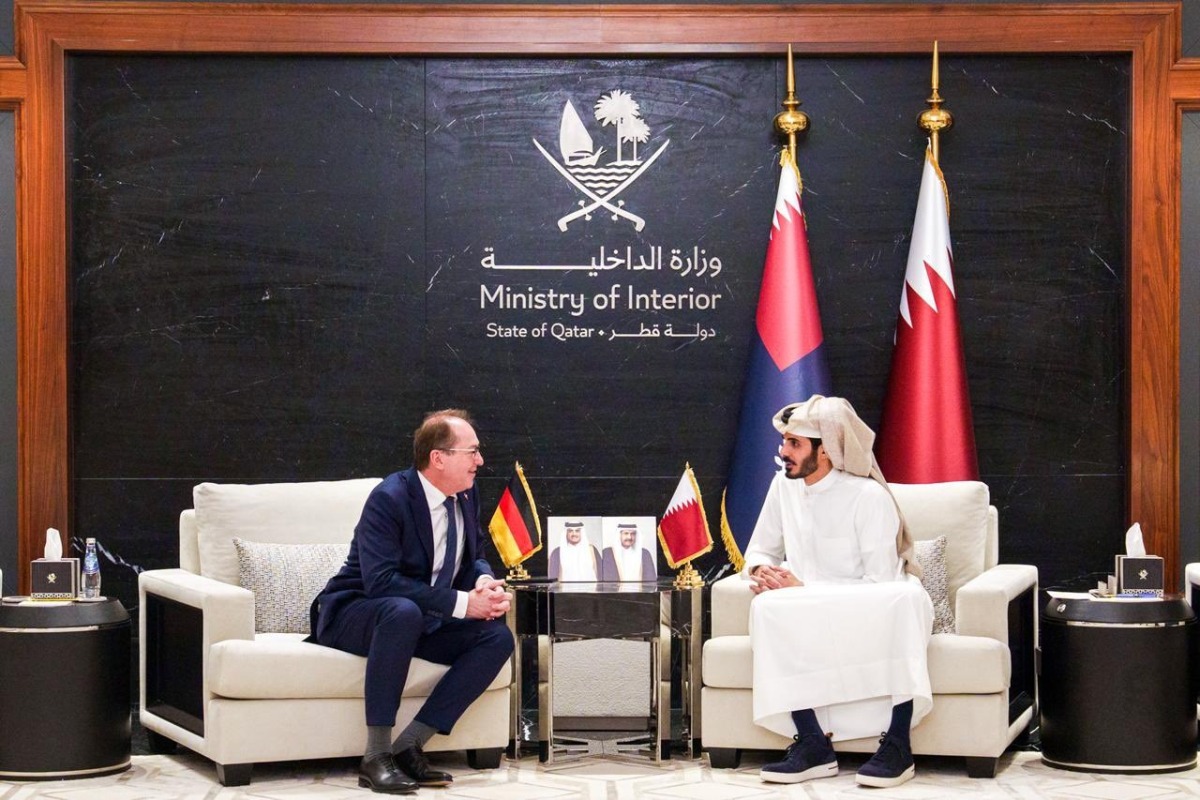

Doha, Qatar – Sheikh Khalifa bin Hamad bin Khalifa Al-Thani, the Minister of Interior and Commander of Qatar’s Internal Security Force (Lekhwiya), recently held discussions with German Federal Minister of the Interior Alexander Dobrindt. The meeting, held in Doha, focused on bolstering security cooperation between Qatar and Germany, addressing shared concerns, and improving collaborative efforts in the realm of internal security. The talks underscore the ongoing commitment of both nations to combatting transnational threats.
The encounter occurred as part of routine diplomatic engagements aimed at strengthening international partnerships in maintaining safety and order. Details released by The Peninsula Qatar suggest a comprehensive review of mutual interests and exploration of avenues for enhanced coordination. This meeting arrives amid increased global attention on security measures, particularly in the lead-up to and during major international events.
Strengthening Qatar-Germany Security Cooperation
The primary objective of the meeting was to identify ways to deepen existing security cooperation, particularly in areas of mutual concern. Both Qatar and Germany face challenges related to terrorism, cybersecurity, and the protection of critical infrastructure, making collaborative efforts vital for mitigating potential risks. According to the ministry, discussions centered on sharing best practices and leveraging technological advancements in law enforcement.
Qatar has been actively investing in its internal security capabilities in recent years, including modernization of its police force and enhancement of its surveillance systems. This proactive approach is driven by several factors, including Qatar’s hosting of significant international events like the FIFA World Cup in 2022, and its desire to maintain regional stability. Germany, meanwhile, is a leader in European counterterrorism efforts and possesses considerable expertise in border control and intelligence gathering.
Areas of Potential Collaboration
Several specific areas were likely explored during the meeting. These may include improved information sharing regarding suspected terrorists, joint training exercises for security personnel, and collaboration on cybersecurity initiatives. The increasingly sophisticated nature of cybercrime necessitates international cooperation to effectively defend against attacks and protect sensitive data.
Additionally, the ministers likely discussed strategies for managing large-scale events and ensuring public safety. Germany’s experience in hosting events like the Oktoberfest and various international trade fairs could be valuable to Qatar as it continues to attract global attention. The meeting also suggests a potential for cooperation in addressing the challenges of irregular migration and human trafficking.
However, it’s important to note that the specifics of these collaborative efforts have not been publicly disclosed. The meeting’s outcome focuses on establishing mechanisms for further dialogue and building trust between the two nations’ security agencies. Experts suggest that a key aspect of successful security partnerships is the ability to establish secure channels for communication and data exchange.
This meeting between Qatari and German interior ministers aligns with broader trends in international relations. Many countries are prioritizing bilateral security agreements as a means of strengthening their collective security posture and responding to evolving threats. In recent years, Qatar has signed similar agreements with several other nations, reflecting its commitment to international cooperation.
The long-term implications of this strengthened relationship remain to be seen. Increased collaboration could lead to more effective responses to transnational crime and terrorism. It could also facilitate the exchange of knowledge and resources, boosting the capabilities of both nations’ security forces.
Following this initial discussion, a joint working group is expected to convene in the coming months to develop a detailed action plan. The plan will likely outline specific areas of cooperation, timelines for implementation, and mechanisms for monitoring progress. The success of this initiative will depend on sustained political will and effective communication between the relevant agencies in both countries. Further announcements regarding specific projects arising from this meeting are anticipated within the next quarter.