
Saudi Arabia’s Minister of Transport and Logistics Services has ordered a full review of operations at King Khalid International Airport in Riyadh following significant disruptions to air travel on Friday. Nearly 200 flights experienced delays or cancellations, leading to substantial congestion and inconvenience for passengers. The move aims to address the causes of the disruption and prevent similar incidents in the future, focusing on improving passenger experience and operational efficiency.
The disruptions, which primarily occurred on Friday, impacted both domestic and international travelers passing through the major transportation hub. Authorities confirmed that normal flight operations resumed on Saturday after coordination with airlines and relevant agencies. However, the incident has prompted scrutiny of airport procedures and resource allocation.
Investigation into King Khalid International Airport Disruptions Underway
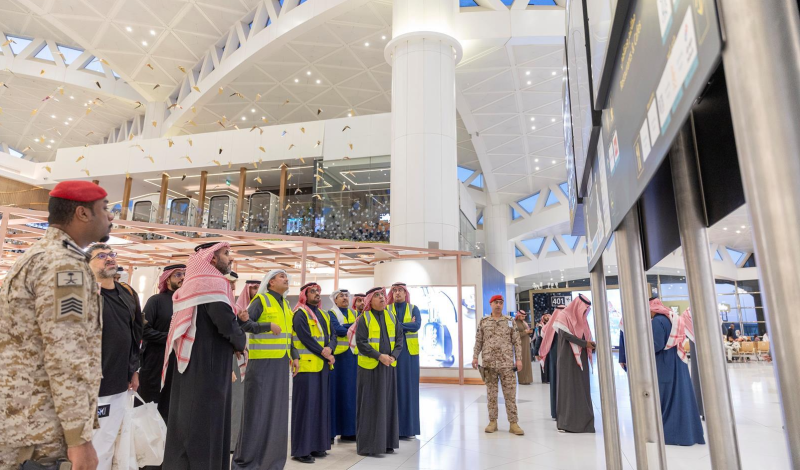
Saleh Al-Jasser, who also chairs the board of the General Authority of Civil Aviation (GACA), personally inspected the airport on Saturday to assess the situation firsthand. He was accompanied by key leaders from GACA, Matarat Holding, and Riyadh Airports Company. The inspection focused on evaluating passenger flow and the effectiveness of recovery efforts.
During the visit, Al-Jasser received a detailed briefing on flight performance metrics, including on-time arrival and departure rates. He directed officials to prioritize improvements in operational efficiency and passenger services. The ministry emphasized the importance of adhering to the highest safety and quality standards in all airport operations.
Passenger Rights and Compensation
A key focus of the review is ensuring compliance with Saudi Arabia’s Passenger Rights Protection Regulations. According to a statement released by the airport, procedures for handling canceled and rescheduled flights have been completed. This includes assisting passengers with baggage retrieval and providing updated travel information.
The airport has expressed regret for the inconvenience caused to travelers and reiterated its commitment to upholding passenger rights. Passengers affected by the delays and cancellations are encouraged to contact their respective airlines for information regarding compensation or rebooking options. The GACA regulations outline specific entitlements for passengers facing disruptions, including potential refunds or alternative travel arrangements.
Potential Causes and Contributing Factors
While the exact cause of the widespread disruptions remains under investigation, several factors may have contributed to the issues. Increased travel demand, particularly during peak seasons, can strain airport infrastructure and resources. Additionally, unforeseen circumstances such as adverse weather conditions or technical malfunctions can exacerbate existing pressures.
Some reports suggest that staffing shortages may have played a role in the operational bottlenecks. However, official statements have not confirmed this as a primary cause. The investigation will likely examine staffing levels, equipment maintenance, and communication protocols to identify areas for improvement. Airport capacity and ground handling efficiency are also likely to be assessed.
The incident highlights the growing challenges faced by airports globally as they navigate increasing passenger volumes and complex logistical operations. Efficient air traffic management is crucial for maintaining smooth operations, and any disruption can have cascading effects across the network. This event underscores the need for robust contingency planning and proactive measures to mitigate potential risks.
Impact on Saudi Arabia’s Tourism Goals
The disruptions at Riyadh’s airport come as Saudi Arabia is actively pursuing ambitious tourism goals as part of its Vision 2030 plan. The Kingdom is investing heavily in infrastructure development, including expanding airport capacity and attracting international airlines. Maintaining a reliable and efficient air travel system is essential for achieving these objectives.
The incident could potentially impact traveler confidence and perceptions of Saudi Arabia as a destination. However, the swift response from authorities and the commitment to addressing the issues may help to mitigate any long-term negative effects. The focus on passenger rights and improved services demonstrates a dedication to providing a positive travel experience.
The broader aviation industry is facing similar pressures, with many airports experiencing congestion and delays. This situation emphasizes the importance of collaboration between airlines, airports, and regulatory bodies to ensure a seamless travel experience for passengers. Investment in new technologies and streamlined processes will be critical for addressing these challenges.
Looking ahead, the results of the comprehensive operational review are expected within the next few weeks. The review will likely lead to recommendations for improving airport infrastructure, staffing levels, and operational procedures. The implementation of these recommendations will be closely monitored to ensure that similar disruptions are avoided in the future. The long-term impact on passenger confidence and Saudi Arabia’s tourism sector remains to be seen.