





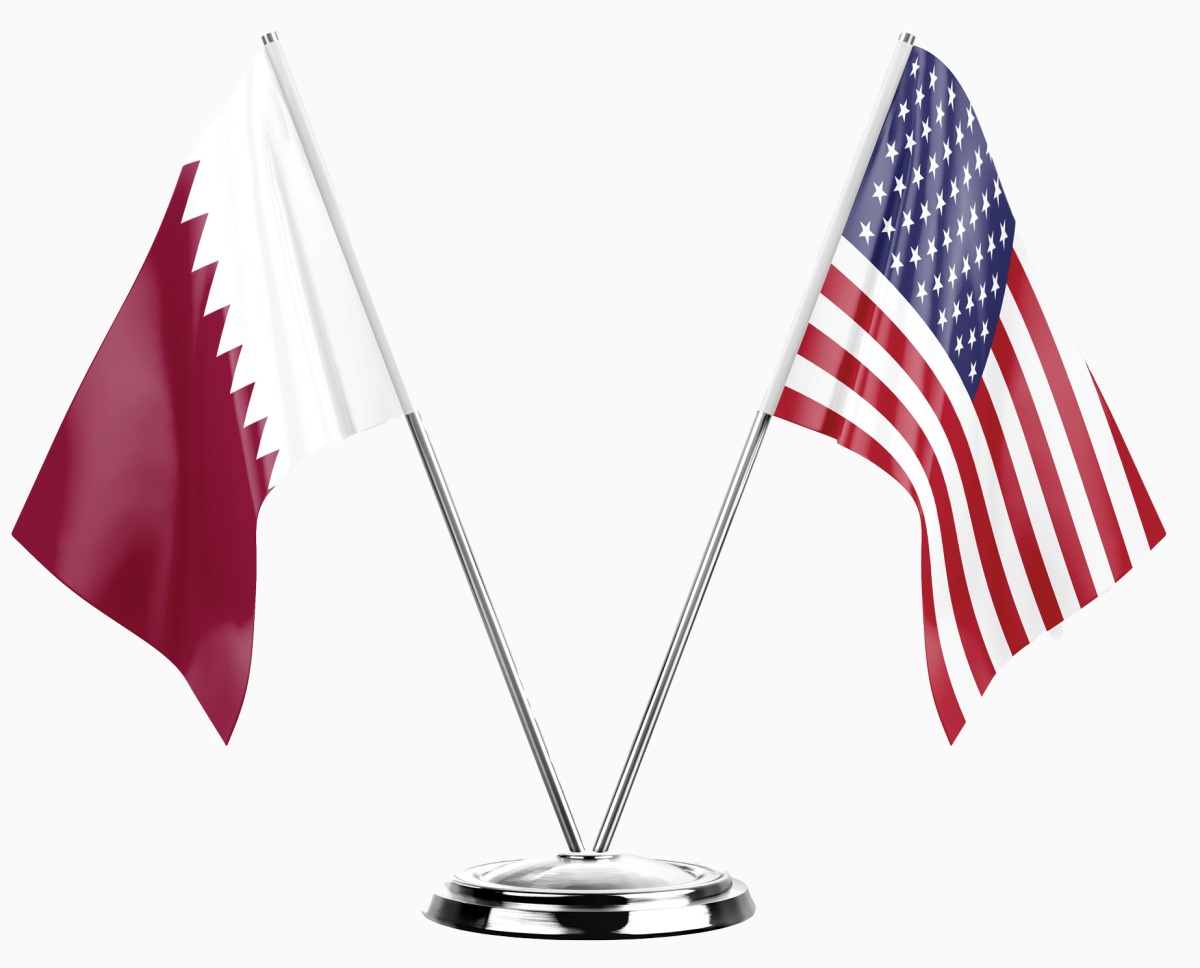

Doha, Qatar – The seventh Qatar-US Strategic Dialogue concluded in Washington, D.C. on December 17, 2025, reaffirming the strong and multifaceted partnership between the two nations. Led by Prime Minister and Minister of Foreign Affairs Sheikh Mohammed bin Abdulrahman Al Thani and US Secretary of State Marco Rubio, the talks focused on strengthening cooperation in areas of mutual concern, including regional security, economic investment, and counterterrorism. This ongoing Qatar-US relationship demonstrates a commitment to stability and collaboration in a complex global landscape.
The dialogue took place amidst ongoing efforts to resolve conflicts and address shared challenges in the Middle East and beyond, reflecting a continued alignment in strategic goals under the leadership of His Highness the Amir Sheikh Tamim bin Hamad Al Thani and President Donald J. Trump, according to a statement released by the Qatari Ministry of Foreign Affairs.
Strengthening Security and Regional Stability
Discussions centered heavily on the volatile situation in Gaza, with Sheikh Mohammed praising President Trump’s leadership in seeking a peaceful resolution. Secretary Rubio acknowledged Qatar’s vital mediating role in facilitating a potential peace plan, a function Qatar has often played in regional disputes. The US and Qatar similarly expressed support for stabilization efforts in Syria and collaboratively addressing the enduring threat of terrorism within its borders.
Additionally, the two sides addressed broader regional security concerns, including situations in Lebanon, Afghanistan, the Democratic Republic of the Congo, Rwanda, and Haiti. Both governments emphasized the importance of a unified front in confronting global threats and maintaining international order. They reaffirmed their commitment to deterring hostile activities and promoting responsible statecraft throughout the Middle East.
Economic and Investment Highlights
The strong economic ties between Qatar and the United States were a significant topic. Officials highlighted over $240 billion in economic deals finalized during President Trump’s visit to Qatar earlier in the year. These agreements are expected to generate substantial economic growth and support job creation in both countries, particularly in sectors related to technology and energy.
A major component of this investment includes a $96 billion deal with Qatar Airways for the acquisition of Boeing aircraft, powered by GE Aerospace engines, projected to support over a million US jobs. Further bolstering these economic ties, Qatar pledged $97 billion to US company Parsons for projects focused on innovation, and signed agreements worth $8.5 billion with McDermott for energy infrastructure development, as well as $1 billion for quantum technology via the Quantinuum Joint Venture Agreement. This continued economic partnership demonstrates mutual benefit and a long-term commitment to fostering shared prosperity.
Defense Cooperation and Security Infrastructure
Qatar and the United States reaffirmed their robust defense and security partnership, formalized by a recent Executive Order ensuring Qatar’s security. This includes ongoing upgrades to Al-Udeid Air Base, a crucial hub for US military operations in the region. The collaboration extends to enhancing air and maritime security and increasing interoperability with NATO through joint training exercises.
Recent agreements include a $2 billion deal with General Atomics for remotely piloted aircraft systems and a $1 billion contract with Raytheon for counter-drone capabilities. These investments, according to the statement, are expected to contribute to regional deterrence and support the US defense manufacturing base. The establishment of a bilateral combined command post for air defense is also underway, further strengthening joint defense capabilities.
Collaboration on Global Challenges
Beyond regional issues, the dialogue included discussions on global challenges such as counterterrorism and law enforcement. Both governments recognized Qatar’s proactive role in combating terrorist financing and disrupting illicit networks. As the United States prepares to co-host the 2026 FIFA Men’s World Cup, Qatar pledged full cooperation to ensure the tournament’s security, highlighted by new Memoranda of Understanding between Qatari and FBI agencies.
The partnership also extends to cultural and educational exchanges, with a renewed memorandum of understanding between Qatar Museums and the Smithsonian Institution. Further collaboration is planned in the arts and cultural sectors, including potential engagement with the Art in Embassies program. This underscores the importance of bilateral agreements beyond purely political or economic realms.
Looking ahead, officials from both countries indicated that follow-up working groups will convene in early 2026 to delve deeper into specific areas of cooperation. The next Qatar-US Strategic Dialogue is scheduled to take place in Doha in 2026, offering another opportunity to assess progress and address emerging challenges. The long-term success of this partnership will largely depend on navigating evolving geopolitical dynamics and sustaining the current level of commitment from both sides.