






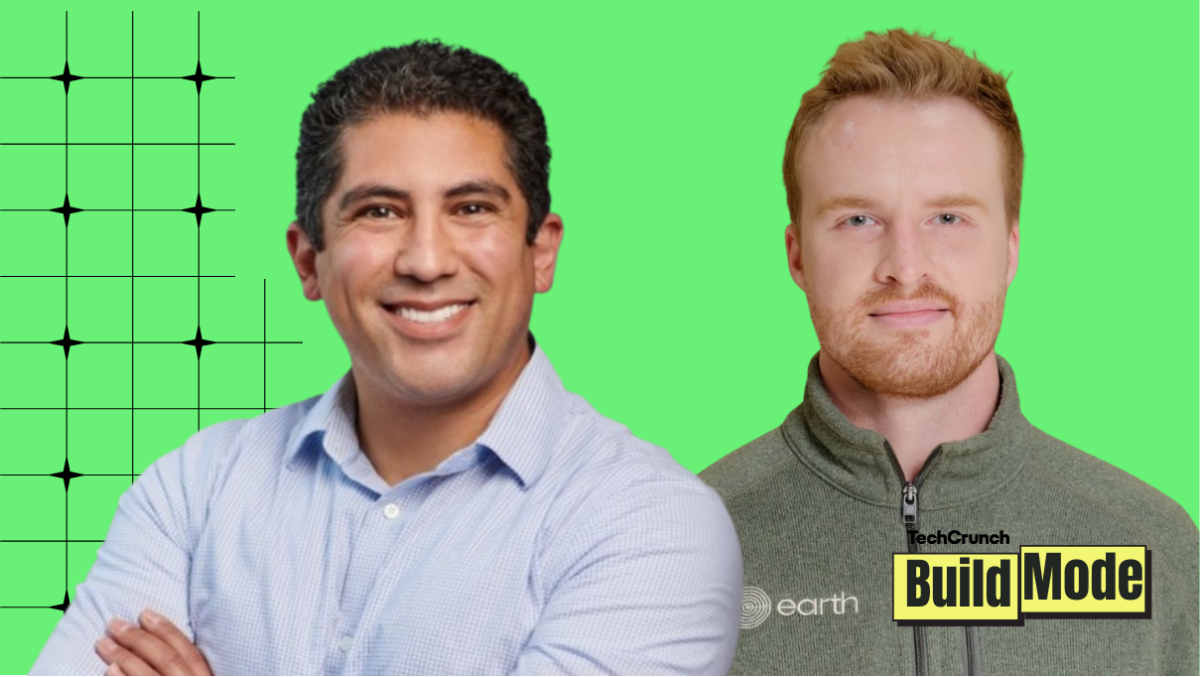

Navigating the complexities of highly regulated industries demands a unique approach to startup strategy, moving far beyond the Silicon Valley mantra of “move fast and break things.” A recent episode of the “Build Mode” podcast featuring Gabriel Sanchez of Enspectra Health and Tom Harries of Earth Funeral highlighted the challenges and realities of building businesses where compliance is paramount and the stakes are often high. The discussion focused on the long timelines, significant financial burdens, and unconventional fundraising required when dealing with agencies like the FDA and a patchwork of state laws.
The podcast, hosted by Isabelle Johannessen, detailed the distinct journeys of both founders – Enspectra Health developing a skin imaging device and Earth Funeral pioneering human composting – illustrating that launching innovation in healthcare and deathcare isn’t about speed, but meticulous planning and resilience. While seemingly disparate fields, both companies encounter substantial regulatory hurdles that shape their growth and operational possibilities. The episode is available on podcast platforms and YouTube, and provides valuable insight for entrepreneurs considering similar ventures.
The Challenges of Building in Regulated Industries
One of the primary differences between startups in less-controlled sectors and those operating with significant oversight is the length of the development process. Sanchez explained that Enspectra Health’s path to FDA clearance for its skin imaging technology spanned nearly a decade. This extended timeline is typical in the medical device industry, where rigorous testing and documentation are required to demonstrate safety and efficacy.
FDA Approval and Clinical Trials
Obtaining FDA approval, a cornerstone of bringing medical devices to market, involves multiple stages. These stages often include pre-clinical testing, followed by phased clinical trials to validate the device’s performance and identify any potential risks. The costs associated with these trials can be substantial, often requiring millions of dollars in investment.
Harries, meanwhile, faced a different kind of regulatory environment with Earth Funeral. Human composting, also known as natural organic reduction, is a relatively new method of disposition and is not yet legal in every state. This means building a business requires navigating a complex web of state-by-state regulations, lobbying efforts, and public education.
Managing Runway and Funding
A long regulatory review period intensely impacts a company’s financial planning. Unlike startups that can quickly iterate based on market feedback, companies like Enspectra Health must carefully manage their funding runway while awaiting decisions largely outside their control. Building in buffers and anticipating delays are crucial, according to the podcast.
Raising venture capital can also prove difficult, particularly in industries considered “taboo” or carrying a high degree of risk. The founders discussed how some investors were hesitant to enter the deathcare space, citing moral objections or concerns about public perception. Sanchez and Harries both emphasized the need to find investors who understood the long-term potential and were comfortable with the unique challenges of their respective fields.
Additionally, building trust with regulators is paramount. Transparency, thorough documentation, and a proactive approach to addressing concerns can significantly streamline the approval process. Both Sanchez and Harries stressed the importance of viewing regulatory bodies as partners, rather than adversaries.
Iterating Within Constraints
While “move fast and break things” is unsuited to these highly controlled environments, innovation doesn’t necessarily halt. The podcast revealed strategies for iterative development even while awaiting approval. Sanchez explained how Enspectra continued to refine its software and explore additional applications for its technology while the FDA review was underway.
This approach allows companies to demonstrate their commitment to continuous improvement and build a stronger case for regulatory clearance. For Earth Funeral, iteration involved refining the composting process based on scientific research and collaborating with regulatory bodies to establish best practices.
In contrast to rapid product releases common in software, these industries often demand a focus on process and documentation. Detailed standard operating procedures, robust quality control systems, and comprehensive data collection are vital for demonstrating compliance and building a defensible business.
Cultural considerations also play a significant role. Harries discussed the need to address societal norms and anxieties surrounding death and decomposition when promoting human composting. Educating the public and building acceptance are essential for overcoming resistance and establishing a viable market. This requires nuanced communication and a sensitivity to individual beliefs.
Implications for Future Innovation
The experiences of Enspectra Health and Earth Funeral underscore the increasing importance of understanding and navigating regulatory frameworks for emerging technologies. As industries like healthcare, biotechnology, and sustainable disposal methods continue to evolve, entrepreneurs must be prepared to invest significant time and resources into securing the necessary approvals and licenses.
Furthermore, the podcast suggests a shift in the venture capital landscape. While some investors may remain wary of heavily regulated industries, others are recognizing the potential for long-term growth and sustainable business models. Funding opportunities are likely to increase for companies that can demonstrate a clear path to compliance and a strong understanding of the relevant regulatory requirements.
The future of innovation in these sectors likely depends on collaboration between entrepreneurs, regulators, and investors. Open communication, a willingness to compromise, and a shared commitment to safety and efficacy will be essential for unlocking the full potential of new technologies.
Looking ahead, the legal status of human composting will continue to be a key area to watch as more states consider legislation to authorize the practice. Similarly, the FDA is regularly updating its guidance on medical device regulation, and companies like Enspectra will need to stay abreast of these changes to maintain compliance and continue to innovate. The evolution of these rules and the response of companies operating within them will define the contours of these industries for years to come.