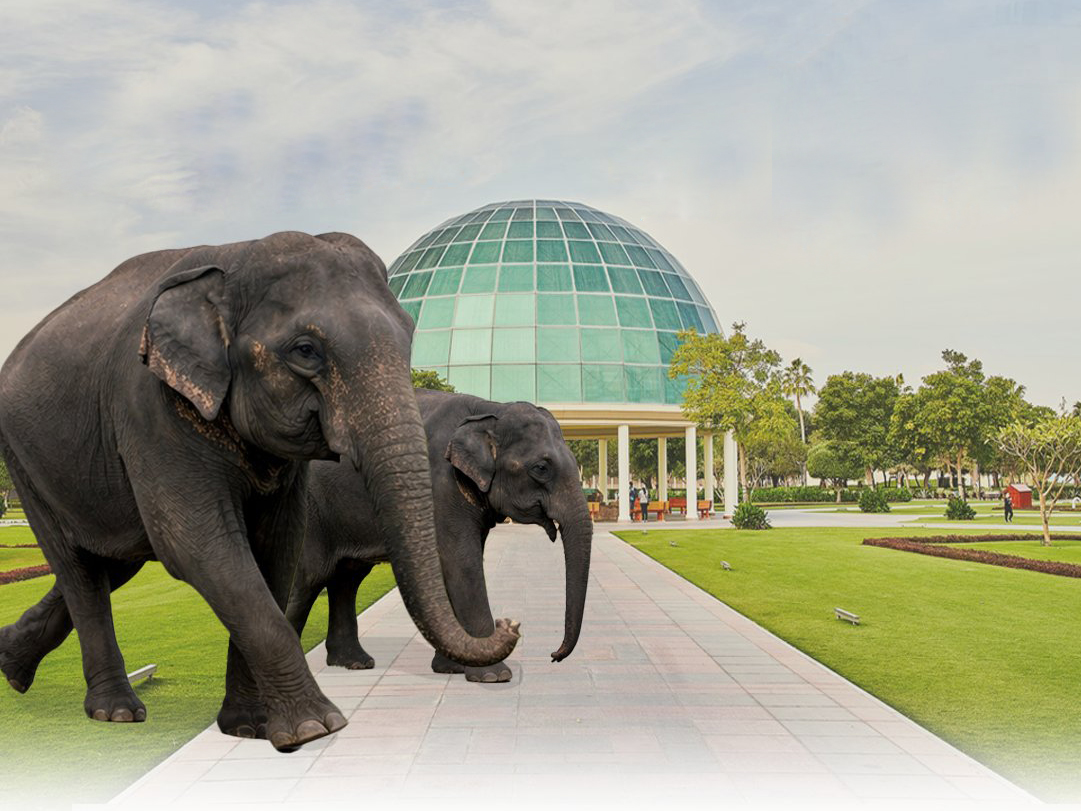

Doha, Qatar – Two Asian elephants have arrived at Al Khor Park, the Ministry of Municipality announced on Wednesday. This significant addition to the park’s wildlife collection represents a gesture of goodwill and strengthened diplomatic ties between Qatar and Nepal. Visitors can now book tickets via the Oun Application or the Ministry’s website to view the new residents.
The elephants, a male and a female, were officially gifted by the government and people of Nepal. This exchange highlights the ongoing commitment to fostering positive international relationships and collaborative efforts in wildlife conservation. The arrival marks a new chapter for Al Khor Park as it continues to develop as a destination for both recreation and education.
Expanding Wildlife at Al Khor Park with New Asian Elephants
The introduction of these Asian elephants is a notable event for Qatar’s biodiversity initiatives. Al Khor Park, already a popular destination for families and nature enthusiasts, aims to offer a broader educational experience regarding global wildlife. The addition creates opportunities to raise awareness about the challenges faced by endangered species like Asian elephants.
According to the Ministry of Municipality, the elephants originated from the Elephant Breeding and Training Center in Sauraha, within Nepal’s renowned Chitwan National Park. This center focuses on the conservation and responsible care of elephants, ensuring their well-being and contributing to the sustainability of their population.
Elephant Profiles: Rudra Kali and Khagendra Prasad
The female elephant, named Rudra Kali, is seven years old and weighs approximately 1,200 kilograms. Her counterpart, Khagendra Prasad, is a six-year-old male weighing in at 1,190 kilograms. Both elephants are described as being a dark grey hue.
The Ministry has stated that both animals underwent thorough health checkups before their journey to Qatar. Special arrangements were made for their transport to minimize stress and ensure a safe arrival. Ongoing monitoring of their health and adaptation to the Qatari climate will be a priority.
This gift is particularly symbolic given Nepal’s rich biodiversity and long-standing tradition of elephant conservation. The elephants hold cultural significance in Nepal, frequently appearing in religious ceremonies and art. The exchange signifies a mutual appreciation for wildlife preservation.
Qatar has been increasing its focus on environmental protection and sustainability, aligning with the nation’s broader Vision 2030. This includes efforts to enhance green spaces and promote biodiversity within urban areas. The introduction of a new species contributes to this overall goal, offering a unique attraction for both residents and tourists.
However, the ethical considerations surrounding keeping large mammals in captivity are complex. Animal welfare advocates often emphasize the importance of spacious, enriching environments that closely mimic natural habitats. The Ministry of Municipality has not yet released detailed information about the enclosure size and enrichment programs planned for the elephants at Al Khor Park.
Meanwhile, zoo and wildlife park management is evolving, alongside growing expectations for animal welfare. Modern facilities increasingly emphasize conservation breeding programs, research, and educational outreach to justify keeping animals in controlled settings. Furthermore, specialized veterinary care and dietary planning are crucial for the continued health of these large mammals.
The arrival of these animals builds on Qatar’s existing wildlife attractions. Facilities like the previously established aviary within Al Khor Park demonstrate a commitment to showcasing diverse species. This latest development indicates a strategy to broaden the park’s appeal as a family-friendly destination and center for ecological learning.
Looking ahead, the Ministry of Municipality will likely focus on the successful acclimation of Rudra Kali and Khagendra Prasad to their new environment. The ongoing provision of specialized care and a comprehensive monitoring plan are essential. Further announcements regarding public feeding schedules or educational programs focused on the elephants are anticipated in the coming weeks and it remains to be seen how the elephants will adjust to the climate and environment long term.