






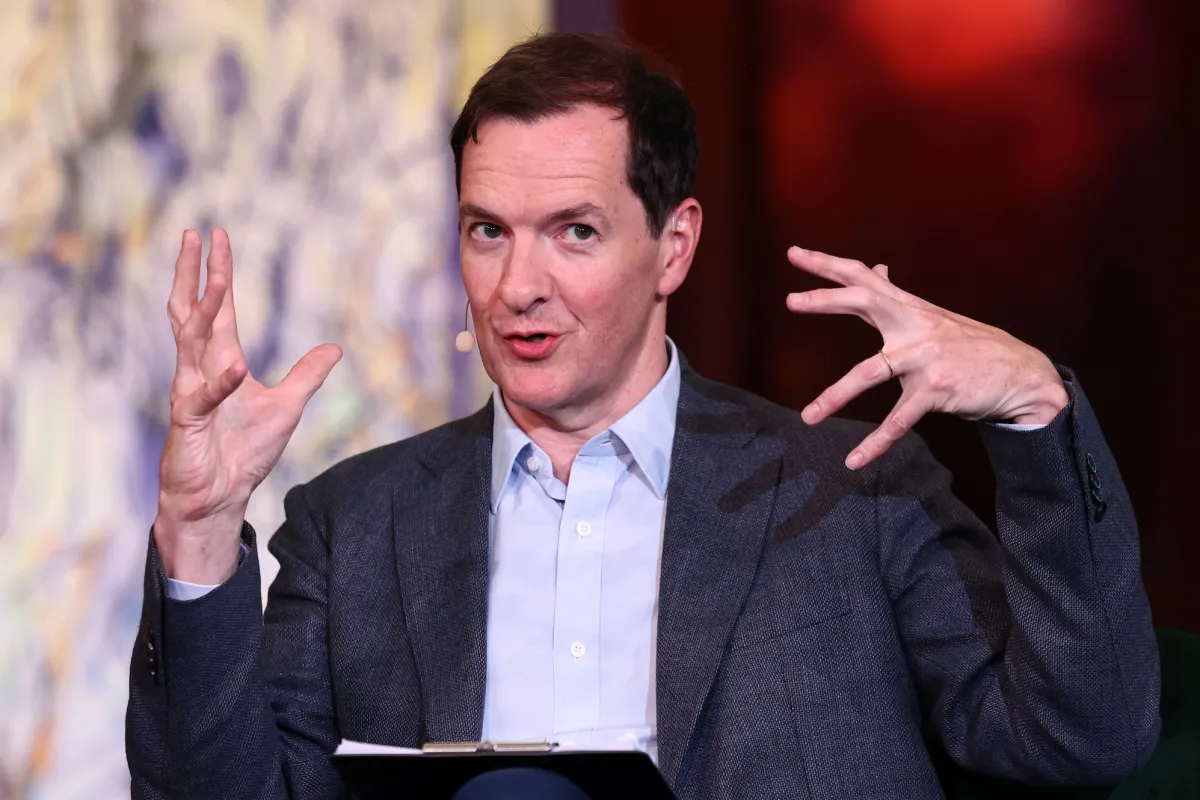

The ongoing AI talent wars are intensifying, with companies aggressively recruiting both technical experts and seasoned leadership to navigate the rapidly evolving landscape. This trend extends beyond engineers, increasingly targeting senior executives capable of scaling operations and managing complex regulatory environments. High-profile appointments like that of former British finance minister George Osborne to both OpenAI and Coinbase highlight this shift and spark debate about the movement of political figures into the tech industry, particularly concerning technology policy influence.
Less than two weeks ago, Slack’s former CEO Denise Dresser joined OpenAI as its new chief revenue officer, signaling the company’s prioritization of monetization strategies. Shortly after, George Osborne announced his dual roles – as managing director and head of OpenAI for Countries, and as a leader of Coinbase’s advisory council. These moves are drawing attention to a growing pattern of former U.K. politicians taking positions with major U.S. tech firms.
The Rise of Political Talent in the AI Sector
George Osborne served as Chancellor of the Exchequer, the U.K.’s equivalent of a finance minister, from 2010 to 2016. Following David Cameron’s resignation after the Brexit vote, Osborne transitioned out of public office in 2017, accepting roles including editor of the Evening Standard and an advisory position with BlackRock.
Alongside his other engagements, Osborne co-founded the venture capital firm 9yards Capital, investing in a number of now-public companies, including Robinhood, Toast, and Coinbase. This investment background provides him with unique insight into the business challenges and opportunities within the cryptocurrency market, as well as the broader tech ecosystem.
OpenAI’s Global Expansion Strategy
Osborne’s role at OpenAI is focused on international development. He will lead “OpenAI for Countries,” an initiative launched in May 2025 aimed at establishing data center capacity and localizing ChatGPT in various nations. According to OpenAI’s chief global affairs officer, Chris Lehane, Osborne will be instrumental in forging new partnerships and expanding existing collaborations.
This initiative is an extension of the $500 billion “Stargate” project, which focuses on building data center infrastructure in the U.S. with partners like Oracle and SoftBank. However, OpenAI emphasizes that “OpenAI for Countries” aims to support nations seeking to develop AI based on “democratic AI rails,” referring to principles of transparency and ethical development.
As OpenAI approaches its tenth anniversary, the company is attracting talent typically associated with more established institutions. Osborne’s background, including his Oxford education and family title, reflects this shift. However, his extensive network within the British political sphere is seen as particularly valuable, as highlighted by his podcast, “Political Currency,” co-hosted with former Labour shadow chancellor Ed Balls.
Coinbase’s Regulatory Focus
Osborne’s ties with 9yards Capital, and his previous advisory role with Coinbase, position him well to assist the exchange in navigating a complex and evolving regulatory environment. Faryar Shirzad, Coinbase’s chief policy officer, stated that Osborne will “play a much more active role in helping us with policymakers around the world.”
This is particularly crucial for cryptocurrency exchanges like Coinbase, which actively engage with governments to shape regulations. The company has been making concerted efforts to influence policy in both the U.S. and internationally.
Lehane emphasized that Osborne’s appointment underscores a shared belief: AI is rapidly becoming critical infrastructure and decisions made now regarding its development and governance will significantly impact global economics and geopolitics for years to come.
A Broader Trend and Ethical Concerns
Osborne’s simultaneous appointments aren’t isolated incidents. They echo the moves of other prominent British politicians who have transitioned to leadership roles within U.S. technology companies. Nick Clegg, former Deputy Prime Minister, served as Meta’s policy chief for over six years and, more recently, former Prime Minister Rishi Sunak has taken on advisory roles with Microsoft and Anthropic.
This pattern raises questions about potential conflicts of interest, particularly regarding active politicians like Sunak influencing policy while simultaneously advising major artificial intelligence companies. Concerns also extend to former officials leveraging their government experience and networks for lucrative private sector positions.
The “revolving door” phenomenon is not unique to the U.K., but it is facing increased scrutiny in Europe, particularly when involving companies perceived as having controversial business practices or seeking to navigate complex regulatory landscapes. Some critics point to Osborne’s past policies, and a perceived lack of transparency regarding his ethical disclosures in previous roles, as reasons for concern.
However, proponents argue that these appointments simply represent the leveraging of valuable skills and experience. For example, 9yards Capital highlights Osborne’s role in creating regulations that fostered the growth of the U.K.’s fintech sector.
The trend is likely to continue as tech companies increasingly recognize the value of understanding and influencing the political landscape surrounding AI development and deployment. The coming months will be crucial in observing how these appointments translate into tangible policy outcomes and whether further regulations emerge to address the ethical concerns surrounding the movement of public officials into the private sector. Investors and policymakers will be closely watching for any potential conflicts of interest and the impact on fair competition within the AI industry.