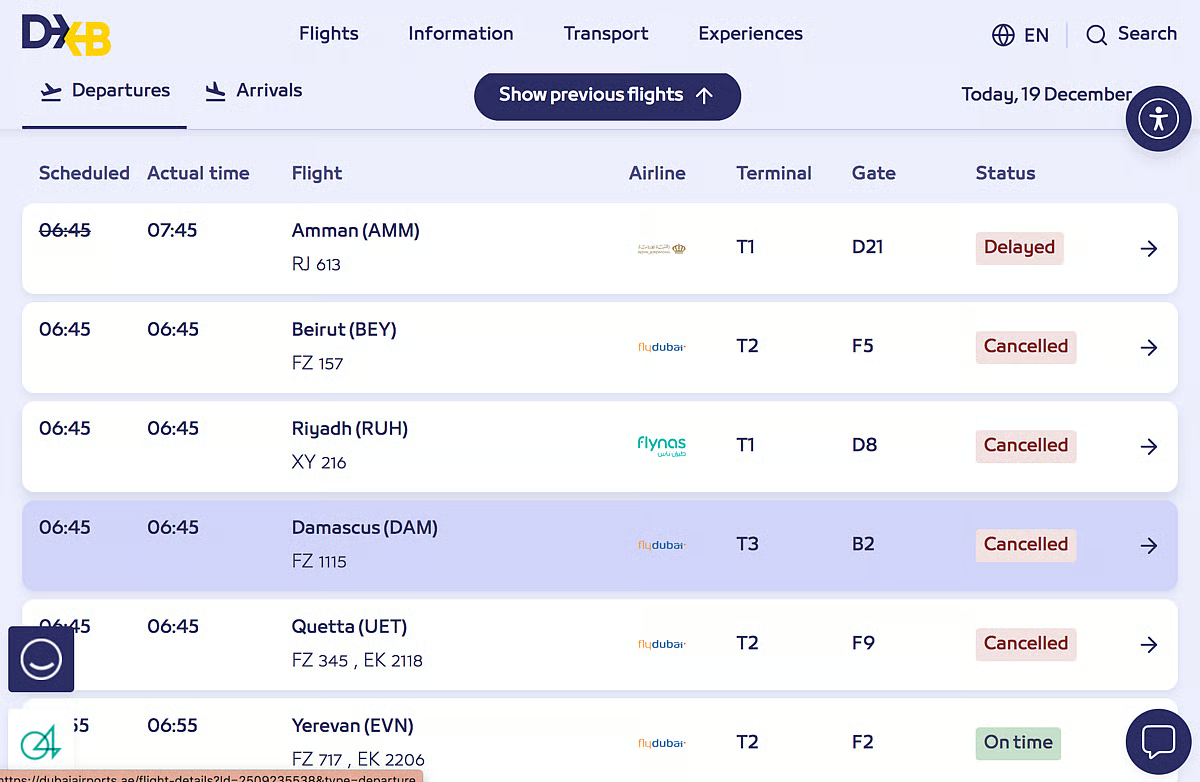

Dubai International Airport (DXB) experienced significant disruptions on Friday as Dubai flights were delayed due to severe weather conditions. The delays impacted both arriving and departing passengers, causing widespread travel complications. The adverse weather, characterized by heavy rainfall and strong winds, began impacting operations in the early morning hours and continued throughout the day. Passengers are advised to check with their respective airlines for the latest updates.
The disruption affected numerous international carriers and Emirates, the UAE’s flagship airline. While no flights were officially cancelled as of late Friday afternoon, substantial delays were reported across the board. Authorities are working to mitigate the impact and restore normal operations as quickly as possible, but the situation remains fluid. The inclement weather is unusual for this time of year in the region.
Understanding the Dubai Flight Delays
The primary cause of the Dubai flights delays is the unusually heavy rainfall and associated strong winds that swept across the United Arab Emirates. According to the National Center of Meteorology, rainfall totals in some areas exceeded 150 millimeters in a 24-hour period, a record for the country. This intense precipitation overwhelmed drainage systems and created hazardous conditions for aircraft operations.
Impact on Airport Operations
Heavy rainfall reduces visibility for pilots during takeoff and landing. Additionally, standing water on runways poses a significant safety risk, requiring thorough inspections and potential closures for water removal. The strong winds further complicate matters, potentially exceeding aircraft operational limits.
Emirates, in a statement released on its website, acknowledged the disruptions and stated that the safety of its passengers and crew remains its top priority. The airline is actively rescheduling flights and providing assistance to affected travelers. Other airlines operating through DXB have similarly issued advisories.
The delays are not limited to Emirates. Several other major international airlines, including British Airways, Lufthansa, and Qatar Airways, reported significant disruptions to their Dubai schedules. This widespread impact highlights the central role DXB plays as a global transit hub.
Secondary Impacts: Road Congestion and Ground Handling
The severe weather also caused significant road congestion in and around Dubai, making it difficult for passengers and airport staff to reach the airport. This added to the overall disruption and contributed to longer processing times. Ground handling services, such as baggage loading and aircraft refueling, were also slowed down due to the weather conditions.
Furthermore, the unexpected intensity of the rainfall reportedly strained the airport’s infrastructure. While DXB is equipped to handle rainfall, the sheer volume exceeded capacity in certain areas, leading to temporary operational challenges. The airport authority is reviewing its drainage systems to prevent similar issues in the future.
Passenger Assistance and Travel Advice
Airlines are offering various forms of assistance to passengers affected by the flight delays, including rebooking options, hotel accommodations, and meal vouchers. However, availability may be limited due to the large number of impacted travelers. Passengers are strongly encouraged to contact their airline directly for specific details regarding their flight.
The UAE’s General Civil Aviation Authority (GCAA) issued a statement urging passengers to exercise patience and understanding during the disruptions. They also advised travelers to check the latest flight information before heading to the airport. Real-time flight status updates are available on the DXB website and through airline mobile apps.
Travel insurance policies may provide coverage for expenses incurred due to flight delays, such as accommodation and meals. Passengers are advised to review their policy terms and conditions to determine their eligibility for reimbursement. The availability of alternative transportation options, such as trains or buses, is limited within the region.
The situation is further complicated by the peak travel season. Many travelers are flying to or through Dubai for leisure or business, increasing demand and exacerbating the impact of the disruptions. This has led to crowded airport terminals and long queues for assistance.
Looking Ahead: Weather Forecast and Recovery
The National Center of Meteorology forecasts that the rainfall will gradually subside over the weekend. However, lingering effects, such as flooded roads and potential infrastructure damage, may continue to cause disruptions. Authorities are working to clear roadways and assess the extent of any damage.
DXB officials anticipate a gradual return to normal operations in the coming days, but a full recovery may take several days to complete. The priority remains ensuring the safety of passengers and crew while working to clear the backlog of delayed flights. The airport is closely monitoring the weather forecast and will adjust its operations accordingly. The extent of the backlog and the speed of recovery will depend on the continued improvement in weather conditions and the efficiency of recovery efforts. Further updates will be provided by the airport and airlines as the situation evolves.
The impact on air travel and the broader tourism sector remains to be fully assessed.