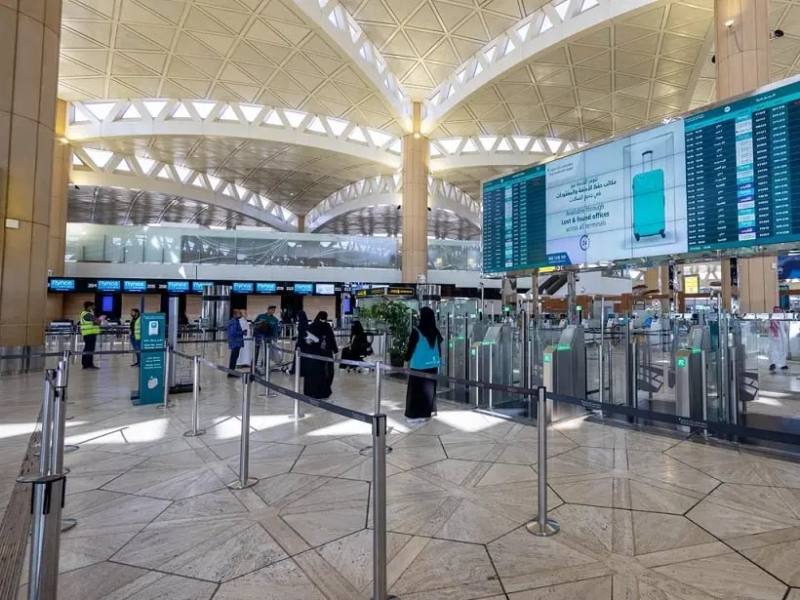

Riyadh Flight Delays caused significant disruption for travelers at King Khalid International Airport (KHIA) on Friday, with numerous domestic and international flights experiencing lengthy delays and some cancellations. Reports from passengers and airlines indicate substantial congestion throughout the terminal buildings during the morning peak. The airport authority has cited a combination of factors contributing to the widespread issues, impacting thousands of journeys.
The disruptions began Thursday and continued into Friday, affecting airlines including Saudi Arabian Airlines (Saudia) and other carriers operating at KHIA. Passengers reported waiting for hours, with limited information available, and crowded conditions in departure areas. Authorities are working to minimize the impact and restore a normal flight schedule, but the situation underscores the complexities of air travel operations.
Understanding the Riyadh Airport Delays
King Khalid International Airport officials released a statement outlining the causes of the major delays. The primary driver was an unanticipated convergence of events, including essential scheduled maintenance on the airport’s fuel system and a higher-than-expected number of flights diverted from other regional airports. This combination strained the airport’s resources and led to a cascading series of scheduling adjustments.
Operational Challenges and Diversions
The scheduled maintenance on the fueling infrastructure, while necessary for long-term operational reliability, temporarily reduced the airport’s capacity to service aircraft. This limitation was compounded by diversions from other airports potentially due to weather conditions or unforeseen circumstances at those locations. Details surrounding the specific reasons for the diverted flights haven’t been fully disclosed, according to news reports.
Technical Issues with Saudia
Saudi Arabian Airlines, the national carrier, acknowledged a separate, temporary technical issue impacting their operations at KHIA. The airline confirmed this issue contributed to the delays and cancellations experienced by its passengers, alongside the broader airport challenges. Saudia is actively working with the Riyadh Airports Company to resolve the technical problem and resume normal flight operations.
The impact of these delays extended beyond simple waiting times. Many passengers faced missed connections, particularly those traveling onward internationally. Additionally, the unanticipated need for accommodations strained local hotel availability. This situation highlights the ripple effect that airport disruptions can have on the entire travel ecosystem.
The airport authority urged travelers to proactively confirm the status of their flights with their respective airlines before traveling to the airport. This pre-emptive check-in is intended to reduce congestion within the terminal buildings, allowing staff to focus on assisting passengers with confirmed travel plans.
Saudia announced that affected passengers would be exempt from fees associated with rebooking or changing their itineraries. The airline is reportedly contacting passengers via multiple channels, including SMS and email, to inform them of updates and options. This passenger-focused approach aims to mitigate the inconvenience caused by the flight disruptions.
Experts in aviation logistics note that airports, especially busy hubs like KHIA, operate on tightly integrated schedules. Any single point of failure, like fuel system maintenance or unexpected diversions, can quickly propagate into widespread delays. Modern airport operations rely heavily on efficient ground handling, and even minor disruptions in that area can have major consequences. Simple Flying provides further insight into common causes of flight delays.
The Kingdom of Saudi Arabia has been investing heavily in its aviation infrastructure in recent years, anticipating increased passenger traffic due to tourism initiatives and the Hajj and Umrah pilgrimages. This expansion includes upgrades to existing airports, such as KHIA, and the development of new facilities. These investments, while promising for the future, can also cause temporary disruptions during periods of maintenance and construction. Furthermore, the increased passenger volume does highlight the need for robust contingency plans and responsive communication systems.
As of late Friday, KHIA officials stated that operational teams are working continuously with airlines and related authorities to restore normal operations. The immediate focus is on clearing the backlog of delayed flights and minimizing further cancellations. However, the full extent of recovery and the potential for lingering effects throughout the weekend remains uncertain.
Looking ahead, passengers traveling through King Khalid International Airport should continue to monitor their flight status closely and allow for significant extra time at the airport. The Riyadh Airports Company has not yet provided a specific timeline for a complete return to normal scheduling, but has committed to providing regular updates. The situation will likely be monitored closely by the General Authority of Civil Aviation (GACA) to assess the effectiveness of the recovery efforts and identify potential preventative measures for future disruptions, especially considering the peak travel season for Saudi Arabia travel.
Passengers can find additional information and assistance by visiting the websites of their respective airlines and the King Khalid International Airport.