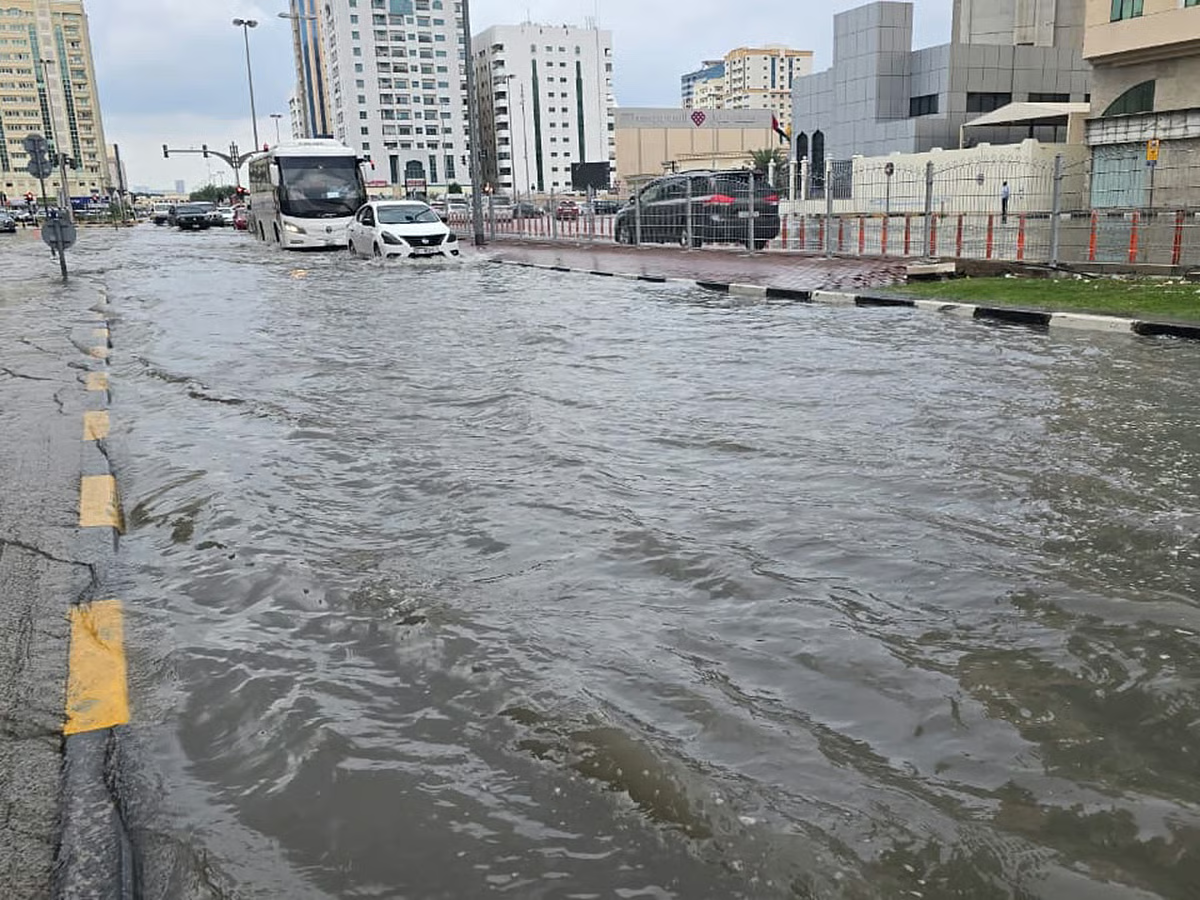

Abu Dhabi Police have re-emphasized the importance of road safety following recent inclement weather across the United Arab Emirates. The renewed warnings, issued this week, urge drivers to exercise extreme caution and follow established safe driving practices to mitigate risks associated with hazardous conditions. These cautions come amid reports of localized flooding and challenging visibility, impacting traffic flow throughout the emirate.
The request for heightened awareness specifically advises motorists to avoid driving through wadis and areas where water has accumulated. Authorities also recommend checking weather forecasts before commencing any journey and adjusting driving behavior accordingly, including reducing speed and increasing following distances. The police are actively monitoring roadways and deploying resources to manage any disruptions caused by the weather.
Staying Safe on Abu Dhabi Roads: Essential Safe Driving Practices
The current weather system, characterized by intermittent heavy rainfall, is unusual for this time of year in Abu Dhabi. While the UAE is generally known for its arid climate, seasonal shifts can bring periods of intense precipitation, often leading to flash floods and difficult driving conditions. These conditions are particularly dangerous due to the potential for quickly changing road surfaces and reduced traction.
The primary concern during and after heavy rainfall is the formation of hazardous driving environments. Wadis, typically dry riverbeds, can fill rapidly with significant volumes of water, creating impassable barriers. Additionally, standing water on roads can cause aquaplaning, where tires lose contact with the surface, leading to a loss of vehicle control.
Specific Recommendations from Abu Dhabi Police
Abu Dhabi Police have detailed a number of specific steps drivers should take to enhance their safety. Reducing speed is paramount, allowing more time to react to unexpected obstacles or changes in road conditions. Maintaining a safe distance from other vehicles provides additional buffer and braking space.
Avoiding distractions, especially mobile phone use, is crucial for maintaining focus on the road. Peripheral vision can be readily impeded by heavy rain, meaning any lapse in attention could have serious consequences. The authority has also encouraged drivers to ensure their vehicles are in good working condition, especially tires and windscreen wipers.
Beyond simply adjusting speed and distance, understanding how rain impacts vehicle handling is important. Braking distances are significantly increased on wet surfaces, and steering responsiveness can be reduced. Drivers should avoid sudden maneuvers and apply brakes gently to prevent skidding. Further information on adapting to inclement weather can be found on the UAE Ministry of Interior website.
The recent weather event follows increased overall rainfall across the UAE in recent years, prompting discussion about infrastructure and preparedness. While specific figures are debated, the report indicates a discernible trend towards more frequent and intense precipitation events. This shift necessitates ongoing refinement of emergency response protocols and public awareness campaigns.
Furthermore, the impact isn’t limited to personal vehicles. Commercial traffic, including buses and trucks, also faces increased risks during adverse weather. These larger vehicles require even greater stopping distances and are more susceptible to instability in strong winds, a common accompaniment to heavy rainfall. Increased travel times should be anticipated for all road users.
In contrast to the generally predictable climate, these sudden weather changes create unique challenges for traffic management. Abu Dhabi Police are utilizing traffic monitoring systems and deploying patrol units to manage congestion and assist motorists in affected areas. They are also coordinating with other relevant authorities, such as the municipality, to address flooding and road closures.
Alongside the emphasis on driver responsibility, maintaining vehicle readiness is vital. Regular checks of tire pressure and tread depth are essential, as reduced grip compounds the dangers of wet roads. Ensure all lights, especially brake lights and indicators, are functioning correctly to improve visibility for other motorists. Proper maintenance contributes significantly to road safety.
The Department of Municipalities and Transport (DMT) is working to clear standing water and ensure drainage systems are functioning effectively. However, overloaded systems may sometimes struggle to cope with exceptionally heavy rainfall. The DMT has repeatedly stated its commitment to upgrading infrastructure throughout the region.
The warnings issued by Abu Dhabi Police build upon established guidelines for driving during adverse weather conditions. These guidelines, disseminated through various channels including social media and public service announcements, emphasize the importance of proactive safety measures and responsible driving behavior. The campaign targeting driver awareness is ongoing.
However, compliance remains a concern. Despite repeated reminders, instances of drivers attempting to navigate flooded wadis or exceeding safe speeds in wet conditions are still reported. Continued enforcement and public education are seemingly necessary to fully address this issue. The police are also focusing on educating new residents on adapting to the unique challenges of driving in the UAE.
Looking ahead, the National Center of Meteorology and Seismology (NCMS) is monitoring the weather system for further developments. While the most intense period of rainfall is expected to subside in the coming days, the possibility of additional showers remains. Motorists are advised to remain vigilant and continue to check weather updates before travelling. The situation regarding traffic conditions will continue to be assessed. Short-term forecasts suggest a return to more typical weather patterns by the weekend, but ongoing monitoring is crucial.
The long-term impact of increasingly variable weather patterns in the region remains to be seen. Further investment in drainage infrastructure and enhanced emergency preparedness are likely to be required to mitigate the risks posed by future events. Continued adaptation of safe travel protocols will be essential for ensuring the safety of all road users.