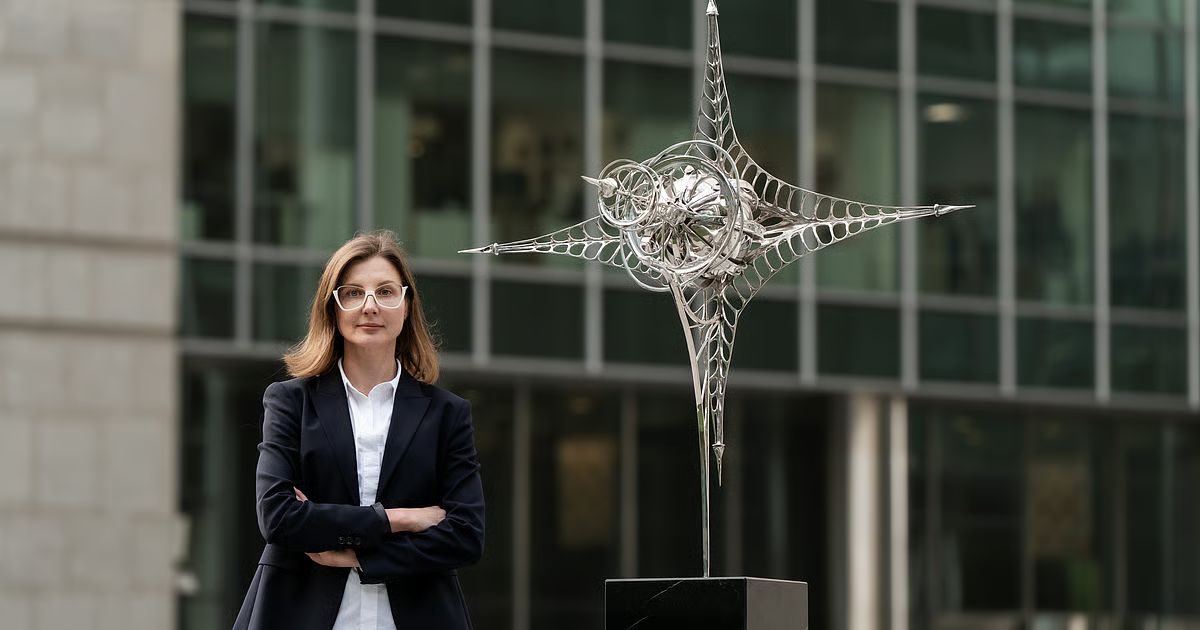

A large-scale public art installation, titled “Starship,” by artist Egor Fedorova has recently been erected in Dubai’s financial district. The polished, chrome-finished sculpture, designed to reflect the surrounding cityscape, is now a central feature in the Dubai International Financial Centre (DIFC). This addition to Dubai’s growing public art scene aims to enhance the urban environment and attract visitors to the area.
The installation was completed in late October 2024 and is located in the Gate Village section of DIFC, a hub for finance, innovation, and lifestyle. Fedorova, a Russian artist known for his monumental metal sculptures, intends for the work to be a dynamic piece that interacts with its surroundings. The unveiling has garnered attention both from local art enthusiasts and international observers interested in Dubai’s evolving cultural landscape.
Dubai Welcomes “Starship” Sculpture to its Public Art Collection
Dubai has steadily increased its investment in public art over the past decade, aiming to establish itself as a global cultural destination. This strategy complements the emirate’s broader tourism goals, hoping to provide unique experiences beyond shopping and architecture. The “Starship” sculpture represents a continuing effort to diversify public spaces and offer residents and visitors engaging artistic encounters.
The selection of Fedorova’s work followed a curated process involving DIFC Authority and art consultants, looking for a piece that would harmonize with the area’s modern aesthetic. According to a press release from DIFC, the sculpture’s reflective surface was a key factor in its selection. The intention is that the work will create a captivating visual effect, altering its appearance throughout the day as the light changes.
Artistic Intent and Design
Fedorova described the sculpture as reflecting “the city like a living organism, capturing fragments of sky, glass, and movement.” He further suggests that the work “breathes with Dubai’s rhythm.” This intended interaction with the environment is characteristic of Fedorova’s style, often involving large-scale, highly polished forms.
The “Starship” is constructed from stainless steel and boasts a complex, curved structure. Its size is significant, standing several meters high and stretching across a considerable footprint within Gate Village. The artist’s approach utilizes the material’s ability to mirror and distort, creating a semi-abstract representation of the surrounding architecture. Government officials are hoping this art will encourage tourism in the area.
The Growing Trend of Public Art in the Middle East
Dubai’s embrace of public art mirrors a wider trend across the Middle East. Cities like Doha, Riyadh, and Abu Dhabi are also investing heavily in art initiatives to enhance their urban offerings and cultural appeal. This push is being driven by both economic diversification strategies and a desire to foster a more vibrant and creative society.
However, the implementation of public art programs in the region can present unique challenges. Factors such as climate, materials preservation, and the integration of art with existing urban planning require careful consideration. The long-term maintenance and preservation of sculptures like “Starship” will be crucial to ensuring their enduring impact.
The DIFC, previously known primarily as a financial center, is actively trying to evolve into a more multi-faceted destination. The addition of the sculpture aligns with this strategy, promoting a sense of community and encouraging foot traffic beyond business hours. It is part of a broader initiative to incorporate cultural elements and creative spaces within the district.
Impact on the Local Art Scene
The installation of a work by an internationally recognized artist like Fedorova is expected to provide a boost to Dubai’s local art scene. Opportunities for collaborations and exchanges between local artists and international figures are likely to increase. It also highlights the importance of government support and investment in fostering artistic talent.
While large-scale sculptures often dominate headlines, the ripple effect can be felt within smaller galleries and studios. Increased visibility and a heightened appreciation for art in public spaces may translate into greater support for local artists and their endeavors. This promotion of artistic endeavours is also focused on diversifying the UAE economy.
The “Starship” also prompts discussion regarding the role of art in shaping urban identity. Public art installations can contribute to a sense of place and foster a stronger connection between residents and their environment. The sculpture’s presence in DIFC is intended to symbolize the district’s dynamism and forward-looking spirit.
Looking ahead, the DIFC Authority has indicated plans to commission further public art installations in the coming years. A call for proposals for a new project is expected to be announced in early 2025. The success of the “Starship” will likely influence the future direction of these initiatives, as will ongoing assessments of public response and the sculpture’s long-term condition. Monitoring the sculpture’s impact on foot traffic and engagement within the DIFC will also be crucial in evaluating the overall effectiveness of the project.