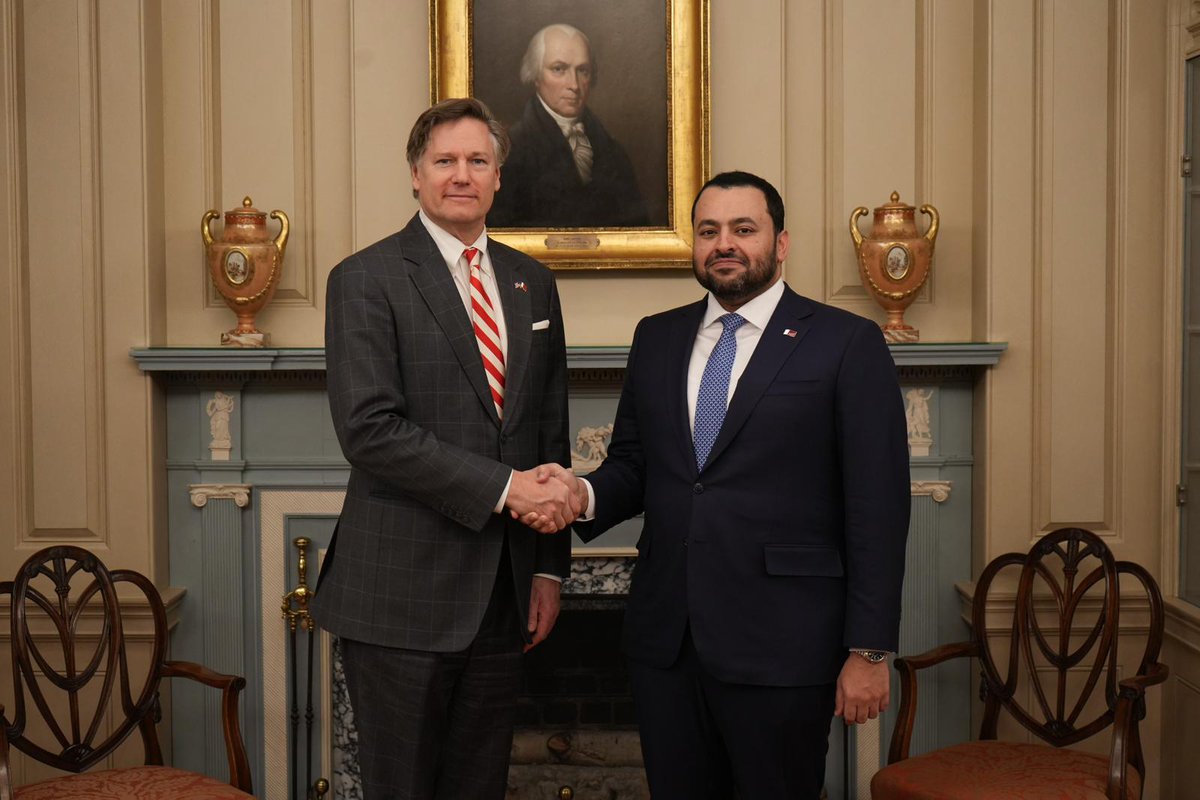

Washington, D.C. – High-level discussions between Qatar and the United States continued this week with a meeting between Qatar’s Minister of State for Foreign Affairs, HE Dr. Mohammed bin Abdulaziz bin Saleh Al Khulaifi, and U.S. Deputy Secretary of State Christopher Landau. The meeting, held on the sidelines of the seventh strategic dialogue between the two nations, focused on strengthening Qatar-US relations and addressing pressing regional concerns. This dialogue underscores the ongoing commitment to collaboration between Doha and Washington.
The meeting took place in Washington, D.C., as part of a broader series of strategic talks aimed at bolstering cooperation across multiple sectors. Officials from both countries are participating in the seventh iteration of this dialogue, which began earlier this week and is expected to conclude shortly. Discussions are reportedly covering areas such as security, economic development, and cultural exchange.
Strengthening Qatar-US Relations Through Strategic Dialogue
The core of the meeting revolved around the existing strong ties between Qatar and the United States, with both sides expressing a desire to further enhance these connections. According to a statement released by the Qatari Ministry of Foreign Affairs, the conversation explored avenues for increased collaboration in various fields, though specific details were not disclosed. This commitment to strengthening ties comes amid a period of shifting geopolitical dynamics in the Middle East.
The strategic dialogue between Qatar and the U.S. has been a recurring feature of their diplomatic engagement for several years. It provides a platform for candid discussions on issues of mutual concern and allows for the development of joint strategies to address shared challenges. The frequency of these dialogues demonstrates the importance both countries place on maintaining a robust partnership.
Regional and International Issues on the Agenda
Beyond bilateral cooperation, the meeting also addressed a range of regional and international issues. These likely included ongoing efforts to mediate conflicts, counter-terrorism initiatives, and concerns regarding regional stability. The officials reportedly exchanged views on the situation in Gaza and the broader Israeli-Palestinian conflict, a key area of concern for both nations.
Qatar has historically played a significant role in regional mediation, and the U.S. often relies on Qatar’s diplomatic channels. The discussions likely touched upon the ongoing negotiations regarding hostage releases and humanitarian aid delivery in the region. Additionally, the two sides may have discussed the evolving security landscape in the Gulf and the implications of Iran’s regional activities.
The U.S. views Qatar as a key non-NATO ally, a designation that reflects the close security cooperation between the two countries. Qatar hosts Al Udeid Air Base, a crucial U.S. military installation in the Middle East, facilitating military operations and providing logistical support. This base has been a focal point in discussions related to regional security arrangements and counter-terrorism efforts. A report from the Council on Foreign Relations highlights Qatar’s critical role in the US’s military presence in the region.
Economic cooperation also formed a part of the discussions. Qatar has invested heavily in the U.S. economy in recent years, and both sides are keen to explore further opportunities for trade and investment. The potential for collaboration in areas such as energy, technology, and infrastructure was likely discussed, particularly concerning new investments in infrastructure under the Biden administration. Discussions on foreign investment and economic diversification are common during these dialogues.
The seventh strategic dialogue builds upon previous agreements and commitments made between Qatar and the United States. It represents an effort to translate broad political alignment into concrete actions and initiatives. However, differences in approach to certain regional players and issues may still exist, requiring ongoing negotiations and compromise.
Following the conclusion of the strategic dialogue, officials are expected to release a joint statement outlining the key outcomes and areas of future collaboration. Attention will be focused on any new agreements reached regarding security cooperation, economic partnerships, or diplomatic initiatives. The success of this dialogue will likely be measured by its ability to address immediate challenges and lay the groundwork for a more sustainable and mutually beneficial diplomatic relationship moving forward.
The U.S. Department of State has not yet issued an official statement regarding the specific details of the meeting.