
Riyadh, Saudi Arabia – Saudi Arabia is rapidly evolving into a desirable place to live, attracting both citizens and expatriates with significant improvements in quality of life. Driven by the ambitious Vision 2030 plan, the Kingdom has seen substantial investment in infrastructure, safety, and public services, fundamentally reshaping urban environments across the nation. A recent report highlights key factors contributing to this transformation, making quality of life in Saudi Arabia increasingly competitive on a global scale.
The changes are particularly noticeable in major cities like Riyadh, Jeddah, and Al Khobar, where new developments and initiatives are enhancing daily living. These improvements span a wide range of areas, from enhanced security measures to expanded transportation networks and a growing focus on environmental sustainability. This shift reflects a national strategy to diversify the economy and create a more attractive and livable environment for a growing population.
Enhanced Safety and Security in Saudi Arabia
Safety is consistently ranked as a top priority for individuals and families when choosing a place to reside. Saudi Arabia excels in this area, with 93% of residents reporting they feel safe walking alone at night – significantly above the global average of 71%. This high level of perceived safety is supported by efficient emergency response systems, with emergency calls answered in approximately two seconds and assistance dispatched within a minute, according to recent data.
Mobile police stations and centralized command centers contribute to rapid and coordinated responses to incidents. Cybersecurity is also a major focus, with Saudi Arabia ranking highly on the UN Global Cybersecurity Index. This commitment to digital security provides reassurance to residents and businesses alike.
Urban Development and Infrastructure
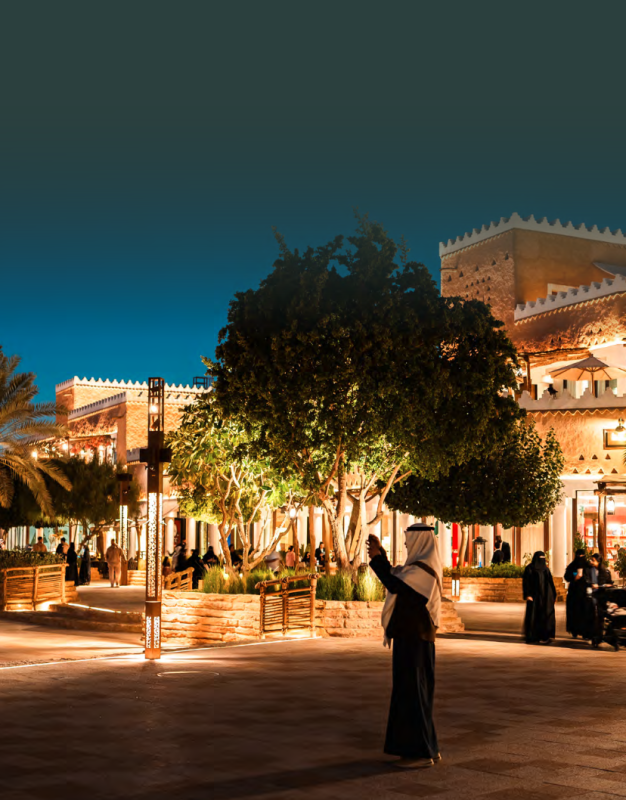
Major urban projects are reshaping Saudi cities, prioritizing pedestrian-friendly spaces and community areas. Initiatives like Green Riyadh, New Murabba, and the Sports Boulevard are integrating parks and recreational facilities into the urban landscape. These projects aim to create more comfortable and family-oriented living environments.
The Kingdom’s transportation infrastructure is also undergoing significant expansion. Airports handled 128 million passengers in 2024, and the national road network extends over 200,000 kilometers. In Riyadh, the new metro system, spanning 176 kilometers with 85 stations, is already easing congestion, and the bus network has seen millions of riders in its first year of operation.
A Growing Emphasis on Sustainability
Environmental quality is becoming increasingly central to urban planning in Saudi Arabia. The Kingdom has already planted 115 million trees and rehabilitated extensive areas of land. Projects like Green Riyadh aim to add millions more trees by 2030, contributing to cleaner air and greener cities.
Renewable energy capacity is also expanding, and protected land and marine areas are growing, further supporting environmental sustainability. These efforts demonstrate a commitment to creating healthier surroundings for future generations and improving the overall quality of life.
Modern Housing and Public Spaces
Housing programs have delivered tens of thousands of residential units designed with community living in mind, emphasizing affordability, safety, and proximity to essential services. Public spaces are also receiving increased attention, with waterfront corniches and city parks becoming more accessible and well-maintained.
The integration of technology is further enhancing urban living in Saudi Arabia. AI-powered traffic systems, smart surveillance, and digital government services are streamlining daily tasks and improving efficiency. Investments in digital infrastructure are also bolstering cybersecurity and protecting personal data.
Saudi Arabia now offers a diverse range of lifestyles, catering to different preferences and needs. Riyadh is emerging as a hub for economic activity and innovation, while Jeddah offers a blend of coastal living and cultural experiences. Al Khobar provides opportunities in education and business, and Abha offers a cooler, mountain-based lifestyle.
Looking ahead, the Kingdom is expected to continue investing in infrastructure and social programs to further enhance quality of life. The success of Vision 2030 hinges on sustained progress in these areas, and ongoing monitoring of resident satisfaction will be crucial. Future developments will likely focus on diversifying economic opportunities and fostering a more inclusive and sustainable society, though the pace and specific direction of these changes remain subject to economic conditions and evolving national priorities.