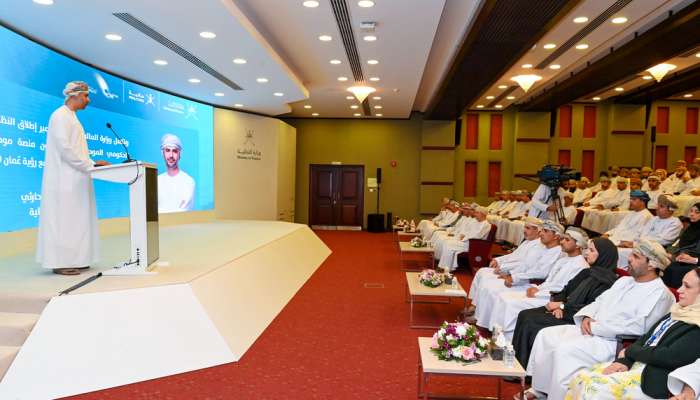

Oman is embarking on a significant digital transformation of its public financial sector with the launch of “Maliya,” the Unified Government Financial System. This initiative, spearheaded by the Ministry of Finance, marks a pivotal step towards modernizing financial procedures and enhancing connectivity across government institutions. The rollout of Maliya promises increased efficiency, transparency, and data-driven decision-making, aligning with the nation’s ambitious vision for the future.
What is the “Maliya” System and Why is it Important?
The “Maliya” system represents a complete overhaul of Oman’s government financial infrastructure. For decades, the Sultanate has relied on the Comprehensive Government Financial System, first introduced in 1986, and built upon the initial computerization of financial processes in 1976. While functional, this legacy system was increasingly recognized as needing modernization to meet the demands of a rapidly evolving digital landscape.
Maliya aims to address these challenges by providing an integrated, user-friendly platform for all government financial transactions and reporting. This isn’t simply about moving from paper to digital; it’s about creating a seamless flow of information between ministries and agencies, enabling real-time insights and more effective resource allocation. The system’s core function is to streamline public finance management, a critical component of Oman’s economic development.
Phase One: A Collaborative Effort
The initial phase of the Maliya transition, officially launched by Minister of Finance Sultan bin Salim Al Habsi, is the result of a strong collaborative effort. Key stakeholders including the Ministry of Health, Ministry of Education, Ministry of Economy, the Tax Authority, and Royal Hospital have worked closely with the Ministry of Finance to implement the system within their respective organizations.
Abdullah bin Salim Al Harthy, Undersecretary of the Ministry of Finance and Chairman of the Supervisory Committee for the Transition, emphasized the cooperative nature of this undertaking. This phased approach allows for thorough testing, refinement, and knowledge transfer, minimizing disruption and maximizing the benefits of the new system.
Key Benefits of the Initial Implementation
The immediate benefits of integrating these initial entities into Maliya include:
- Improved Data Accuracy: Centralized data management reduces errors and inconsistencies.
- Faster Processing Times: Automated workflows accelerate financial transactions.
- Enhanced Transparency: A clear audit trail promotes accountability.
- Better Resource Allocation: Real-time financial data enables informed decision-making.
Aligning with Oman Vision 2040 and the Digital Economy
The launch of Maliya is not an isolated event but a crucial component of broader national strategies. Dr. Ali bin Amer Al Shidhani, Undersecretary of the Ministry of Transport, Communications and Information Technology, highlighted the system’s alignment with Oman Vision 2040 and the National Digital Economy Programme.
These strategic initiatives prioritize digital transformation as a driver of economic growth, diversification, and improved public services. The government believes that a robust digital infrastructure, powered by systems like Maliya, is essential for achieving the goals outlined in these visions. It will also support the development of a thriving digital government ecosystem.
Streamlining Public Finance and Future Expansion
Ali bin Abdullah Al Hinai, Director General of Financial Systems, explained that the launch of this phase is a direct response to the need for a more efficient and modern public finance management system. Maliya is designed to not only keep pace with the evolving digital climate but also to proactively shape it.
The system’s architecture is built for scalability and interoperability. This means that as more government units adopt Maliya – a process planned to continue gradually until 2028 – the system will become increasingly powerful and interconnected. This connectivity will facilitate seamless data exchange, streamlined payment procedures, and more informed government decision-making. The long-term goal is a fully integrated financial network that supports the entire public sector, fostering greater financial technology adoption and innovation.
A Gradual Transition to Full Implementation
The Ministry of Finance is adopting a cautious and deliberate approach to the implementation of Maliya. The system will be operated in parallel with the existing Comprehensive Government Financial System (IFS) for an extended period, allowing government units to transition at their own pace and ensuring a smooth handover. This parallel operation is scheduled to continue until 2028, providing ample time for training, troubleshooting, and refinement.
This phased rollout minimizes risk and allows the Ministry of Finance to address any challenges that may arise before expanding the system to other government entities. It also demonstrates a commitment to ensuring that all stakeholders are fully prepared for the new system and can leverage its capabilities effectively.
In conclusion, the launch of “Maliya” signifies a major leap forward in Oman’s journey towards digital governance and economic modernization. By streamlining public finance, enhancing data accuracy, and fostering greater connectivity, this unified financial system promises to unlock significant benefits for both the government and its citizens. The phased implementation, coupled with strong collaboration between key stakeholders, ensures a sustainable and impactful transition. Stay informed about the progress of Maliya and its impact on Oman’s future by visiting the Ministry of Finance’s website and following official announcements.