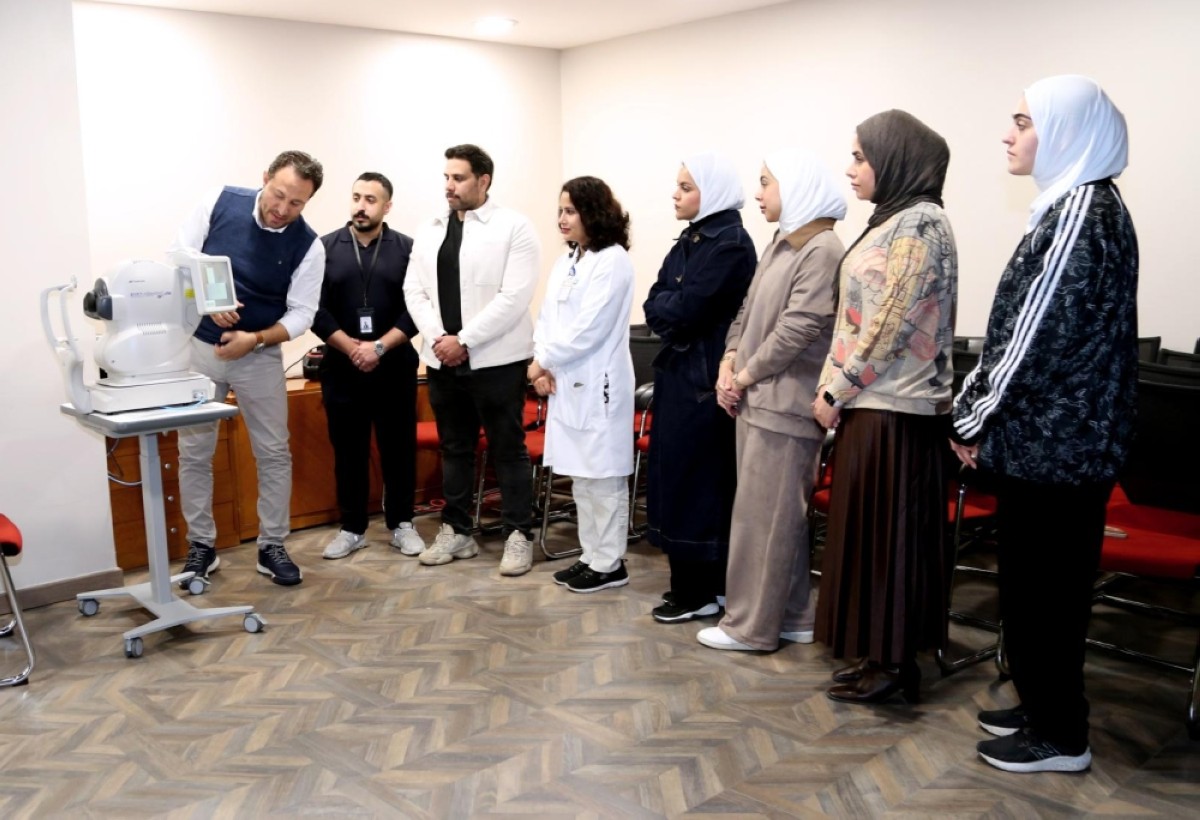

Kuwait is facing a growing challenge with diabetes, and with it, an increased risk of complications like diabetic retinopathy. Recognizing the critical need for enhanced early detection and management, the Dasman Diabetes Institute (DDI) recently concluded a highly successful workshop dedicated to this sight-threatening condition. Held on December 14th and 15th, 2025, at the DDI’s facilities, the event represents a significant step forward in bolstering ophthalmic care within the country’s primary healthcare system.
DDI Workshop Enhances Diabetic Retinopathy Detection & Management
The two-day workshop, a collaborative effort between the DDI (established by the Kuwait Foundation for the Advancement of Sciences – KFAS), the Ministry of Health, and the Primary Health Care Sector, brought together 24 primary healthcare physicians from across Kuwait. The core objective was to equip these frontline doctors with the knowledge and practical skills necessary to identify, diagnose, and manage diabetic retinopathy effectively. Early intervention is paramount in preventing vision loss, and this workshop directly addresses that need.
The Growing Burden of Diabetic Eye Disease
Diabetes is a prevalent health concern in Kuwait, and as the number of individuals living with the condition rises, so too does the incidence of diabetic retinopathy. This complication occurs when high blood sugar levels damage the blood vessels in the retina, the light-sensitive tissue at the back of the eye. If left untreated, it can progress through various stages, ultimately leading to severe vision impairment and even blindness. Therefore, proactive screening and timely treatment are crucial components of comprehensive diabetes care.
Comprehensive Training for Improved Patient Outcomes
The workshop curriculum was meticulously designed to provide a holistic understanding of diabetic retinopathy. Sessions covered a wide range of topics, ensuring participants were well-versed in all aspects of the disease.
Key Workshop Components
- Risk Factors & Clinical Signs: Physicians learned to identify patients at high risk and recognize the subtle clinical signs of early-stage retinopathy.
- Disease Progression: A detailed overview of the stages of diabetic retinopathy, from non-proliferative to proliferative, was presented, enabling accurate staging and appropriate management decisions.
- Diagnostic Techniques: The workshop included hands-on training in essential diagnostic techniques, including retinal examinations, and understanding the results.
- International Clinical Guidelines: Participants were updated on the latest international clinical guidelines and recommendations for the diagnosis and treatment of diabetic eye disease. This included a discussion on current treatment options like laser photocoagulation and intravitreal injections.
- Practical Application: A strong emphasis was placed on applying the learned knowledge in real-world clinical scenarios, fostering confidence and competence among the participants.
The program wasn’t just theoretical; it focused on practical skills physicians could immediately implement in their daily practice. This focus on actionable insights is a hallmark of DDI’s training initiatives.
Empowering Frontline Physicians: A National Priority
The DDI and its partners understand that effective diabetes management extends beyond endocrinology. Empowering primary care physicians to play a more active role in identifying and referring patients with suspected diabetic retinopathy is a vital step in improving overall ophthalmic care in Kuwait.
This initiative directly supports the national strategy for diabetes prevention and management by strengthening the healthcare infrastructure and ensuring that more individuals have access to timely and appropriate care. Early detection, facilitated by well-trained primary care providers, can significantly reduce the number of preventable vision loss cases. Furthermore, the workshop contributes to raising awareness about the importance of regular eye exams for people with diabetes, a crucial aspect of preventative healthcare. Diabetes management as a whole benefits from this integrated approach.
DDI’s Ongoing Commitment to Medical Education
This diabetic retinopathy workshop is not a standalone event. It’s part of DDI’s continuous commitment to advancing medical education and strengthening healthcare capacity in Kuwait. The Institute regularly conducts similar training programs throughout the year, targeting various aspects of diabetes care and prevention.
Additionally, DDI actively engages in research to improve understanding of diabetes and its complications, and collaborates with international organizations to stay at the forefront of advancements in the field. The Institute also focuses on public health campaigns to promote healthy lifestyles and raise awareness about diabetes prevention.
The success of this workshop underscores the importance of collaborative efforts between research institutions, government agencies, and healthcare professionals in tackling the growing burden of diabetes and its complications. By investing in the training and development of its healthcare workforce, Kuwait is taking proactive steps to protect the vision and improve the quality of life for its citizens living with diabetes.
To learn more about the Dasman Diabetes Institute and its initiatives, visit their website at [Insert DDI Website Here]. Regular eye exams are essential for anyone with diabetes – speak to your doctor about scheduling a screening today.