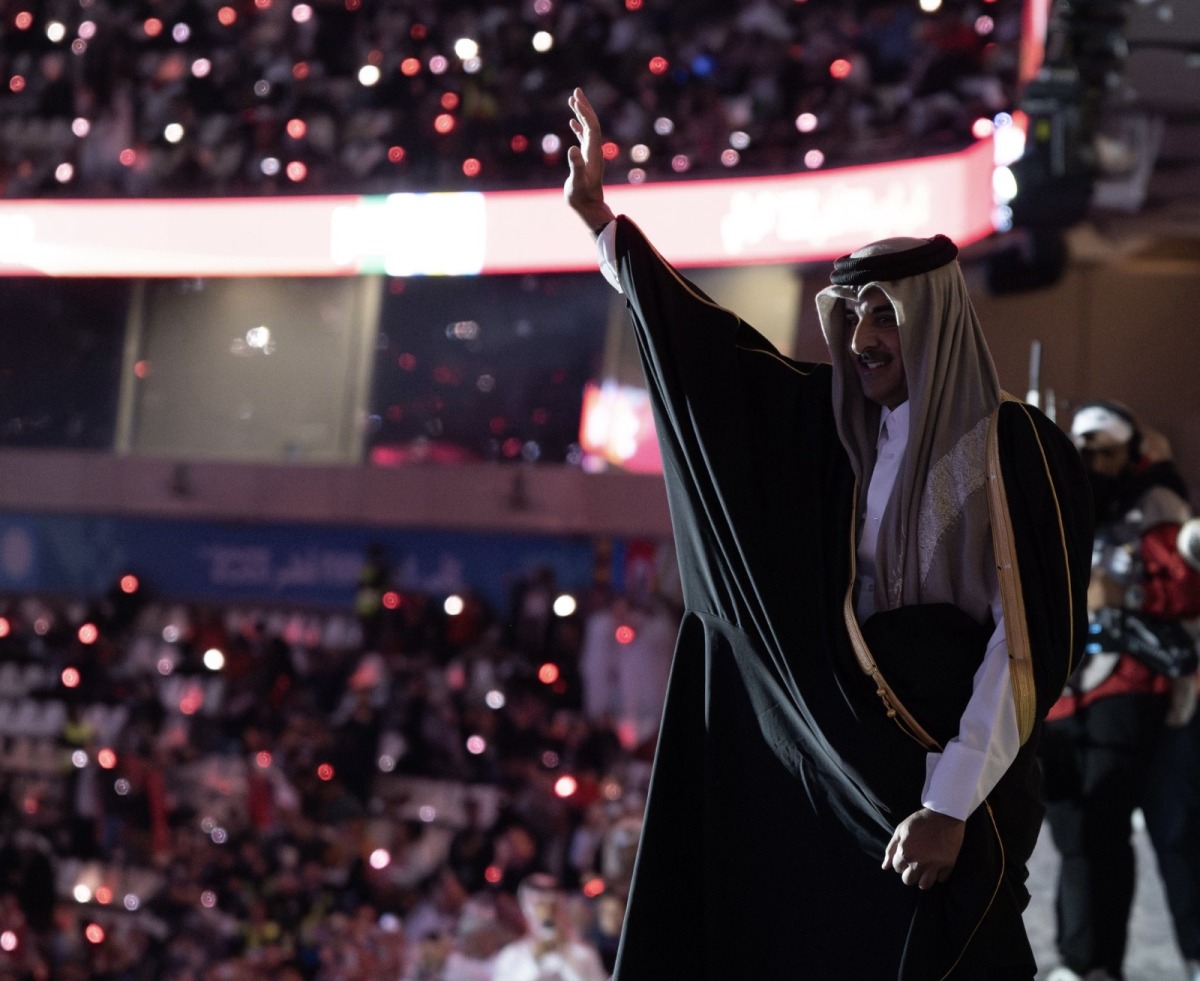

Doha, Qatar – His Highness Sheikh Tamim bin Hamad Al-Thani, the Amir of Qatar, has lauded the recently concluded FIFA Arab Cup as a resounding success, emphasizing the tournament’s embodiment of Arab unity and sporting excellence. The competition, held in Qatar from December 1st to 18th, 2023, culminated in a victory for Morocco over Jordan. The Amir’s comments, shared on his official X account, highlighted both the quality of the organization and the high level of play demonstrated throughout the event.
The tournament, featuring national teams from across the Arab world, served as a crucial test event for Qatar ahead of hosting the 2022 FIFA World Cup. According to reports from The Peninsula Qatar, the Amir congratulated both Morocco, the champions, and Jordan, the runners-up, expressing his hope that the competition will continue to foster solidarity among Arab nations. The event drew significant international attention and showcased Qatar’s infrastructure and capabilities.
The Significance of the FIFA Arab Cup for Qatar
The FIFA Arab Cup held particular importance for Qatar as it provided a full-scale operational rehearsal for the 2022 FIFA World Cup. This included testing stadium readiness, transportation systems, and security protocols. The successful execution of the Arab Cup boosted confidence in Qatar’s ability to host a major global sporting event. Additionally, the tournament offered an opportunity to refine logistical arrangements and address any potential challenges before the larger World Cup.
A Showcase of Regional Football
The competition featured 16 Arab national teams, providing a platform for emerging football talent and strengthening the profile of football within the region. Morocco’s victory was particularly notable, demonstrating the growing strength of North African football. The tournament also saw strong performances from teams like Egypt and Saudi Arabia, highlighting the increasing competitiveness of Arab football on the international stage.
However, the Arab Cup was not without its challenges. Concerns were raised regarding attendance figures at some matches, particularly during the early stages of the tournament. Organizers attributed this to a combination of factors, including the timing of the event and ongoing COVID-19 related travel restrictions. Despite these challenges, the overall atmosphere remained positive, with fans demonstrating strong support for their respective teams.
Meanwhile, the tournament’s legacy extends beyond the sporting arena. The event contributed to Qatar’s tourism sector and provided a boost to the local economy. The infrastructure improvements made in preparation for the Arab Cup will continue to benefit Qatar for years to come. The focus on sustainability and environmental responsibility during the tournament also aligned with Qatar’s broader national development goals.
In contrast to some previous regional sporting events, the FIFA Arab Cup was largely free from significant political controversy. This allowed the focus to remain firmly on the football itself and the spirit of competition. The Amir’s emphasis on fraternity and respect underscores the tournament’s role in promoting positive relations among Arab nations. The event also served as a reminder of the unifying power of sport.
Looking ahead, Qatar will now turn its full attention to preparations for future sporting events, including the Asian Games in 2030. The lessons learned from the FIFA Arab Cup will undoubtedly inform these preparations. Further analysis of the tournament’s economic and social impact is expected in the coming months, and the long-term benefits of hosting such events remain to be fully assessed. The success of the event will likely encourage Qatar to bid for further major international competitions in the future, solidifying its position as a leading sports hub in the Middle East.
The ongoing development of football infrastructure and talent within the region will be a key factor to watch in the coming years, as will the continued efforts to promote unity and cooperation through sport.