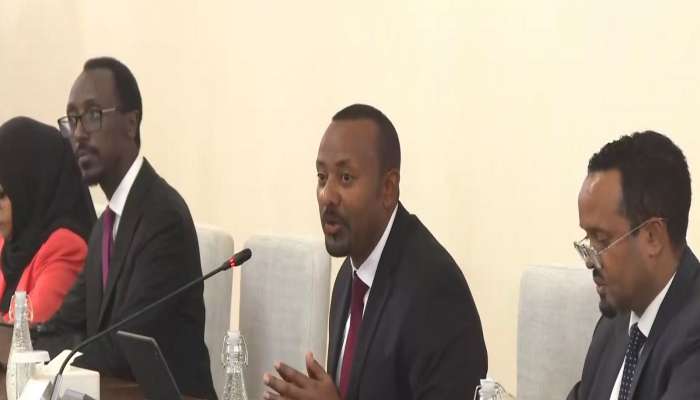

India and Ethiopia have significantly deepened their relationship, culminating in the elevation of ties to a strategic partnership during Prime Minister Narendra Modi’s recent visit to Addis Ababa. This move underscores a growing economic and diplomatic alignment between the two nations, built on a foundation of mutual respect and shared priorities within the Global South. Ethiopian Prime Minister Abiy Ahmed Ali highlighted the robust economic performance of his country and India’s leading role in its foreign direct investment (FDI), setting the stage for a strengthened collaboration.
Strengthening Economic Ties: Ethiopia’s Growth and India’s Investment
Ethiopia is experiencing a period of impressive economic growth. Prime Minister Abiy Ahmed Ali stated that the country achieved a 9.2% growth rate last year and anticipates 10.3% GDP growth this year. This positive trajectory is further bolstered by a substantial increase in FDI, with India emerging as the leading source. Currently, over 615 Indian companies are actively investing in Ethiopia, creating a strong foundation of trust and mutual benefit.
This significant Indian investment spans various sectors, contributing to Ethiopia’s industrialization and job creation. The Ethiopian Prime Minister emphasized that this economic cooperation isn’t merely transactional but is rooted in a deeper understanding and shared vision for development. He noted the importance of this partnership in fostering self-reliance and sovereignty for both nations.
FDI Inflow and Sectoral Collaboration
The surge in FDI from India isn’t limited to a single sector. Investments are flowing into agriculture, manufacturing, infrastructure, and services, demonstrating a diversified and comprehensive engagement. This diversification is crucial for Ethiopia’s long-term economic stability and resilience. Discussions between the two Prime Ministers focused on identifying further opportunities for collaboration, particularly in areas like digital technology and renewable energy.
Elevating to a Strategic Partnership: A Diplomatic Milestone
Building on this strong economic foundation, India and Ethiopia formally elevated their bilateral relationship to a strategic partnership on Tuesday. Prime Minister Modi articulated that this decision would inject “new energy, new speed, and new depth” into their relations. This upgrade signifies a commitment to a more comprehensive and long-term collaboration, extending beyond economic ties to encompass political, security, and cultural dimensions.
The decision reflects a natural progression of the historic relationship between the two countries, rooted in thousands of years of contact and exchange. Both nations share a commitment to democratic values, peace, and the welfare of humanity, positioning them as key partners in the Global South. This shared vision is a cornerstone of the strengthened partnership.
A Focus on South-South Cooperation and Global Priorities
Prime Minister Abiy Ahmed Ali warmly welcomed Prime Minister Modi’s consistent emphasis on prioritizing African perspectives in global engagements. He specifically praised the Indian leader’s advocacy for Africa’s priorities, stating that this “dignified, respectful message” is vital for fostering genuine partnerships. This sentiment underscores Ethiopia’s desire for a relationship built on equality and mutual respect.
The two leaders also discussed the importance of aligning their partnership with present-day priorities, emphasizing the need for a modern approach grounded in sovereignty and self-reliance. This includes a commitment to South-South solidarity, working together to address shared challenges and promote a more equitable global order. India’s role in securing African Union membership in the G20 in 2023 was highlighted as a testament to this commitment.
Concrete Outcomes and a Warm Reception
The elevation of ties was accompanied by the exchange of memoranda of understanding (MoUs), signifying concrete outcomes from the talks. These MoUs are expected to facilitate increased cooperation in various areas, further solidifying the strategic partnership.
Prime Minister Modi’s visit was marked by a particularly warm and colorful reception. Upon arrival in Addis Ababa, he was personally received by Prime Minister Abiy Ahmed Ali, who then drove him to the hotel, making unscheduled stops at the Science Museum and Friendship Park. This gesture underscored the personal connection between the two leaders and the genuine hospitality extended to the Indian delegation. The Ministry of External Affairs highlighted Ethiopia as a key partner for India in the Global South and a fellow BRICS member, emphasizing the significance of this visit. This visit to Ethiopia represents India’s dedication to strengthening its ties with Africa and fostering South-South cooperation.
In conclusion, the elevation of India-Ethiopia relations to a strategic partnership marks a significant milestone in their long-standing friendship. Driven by robust economic growth in Ethiopia, substantial Indian investment, and a shared commitment to global priorities, this partnership is poised for continued expansion and mutual benefit. The focus on South-South cooperation and a respectful, equitable approach promises a future of strengthened collaboration and shared prosperity. Readers interested in learning more about India’s engagement with Africa can explore resources from the Ministry of External Affairs and relevant think tanks specializing in international relations.