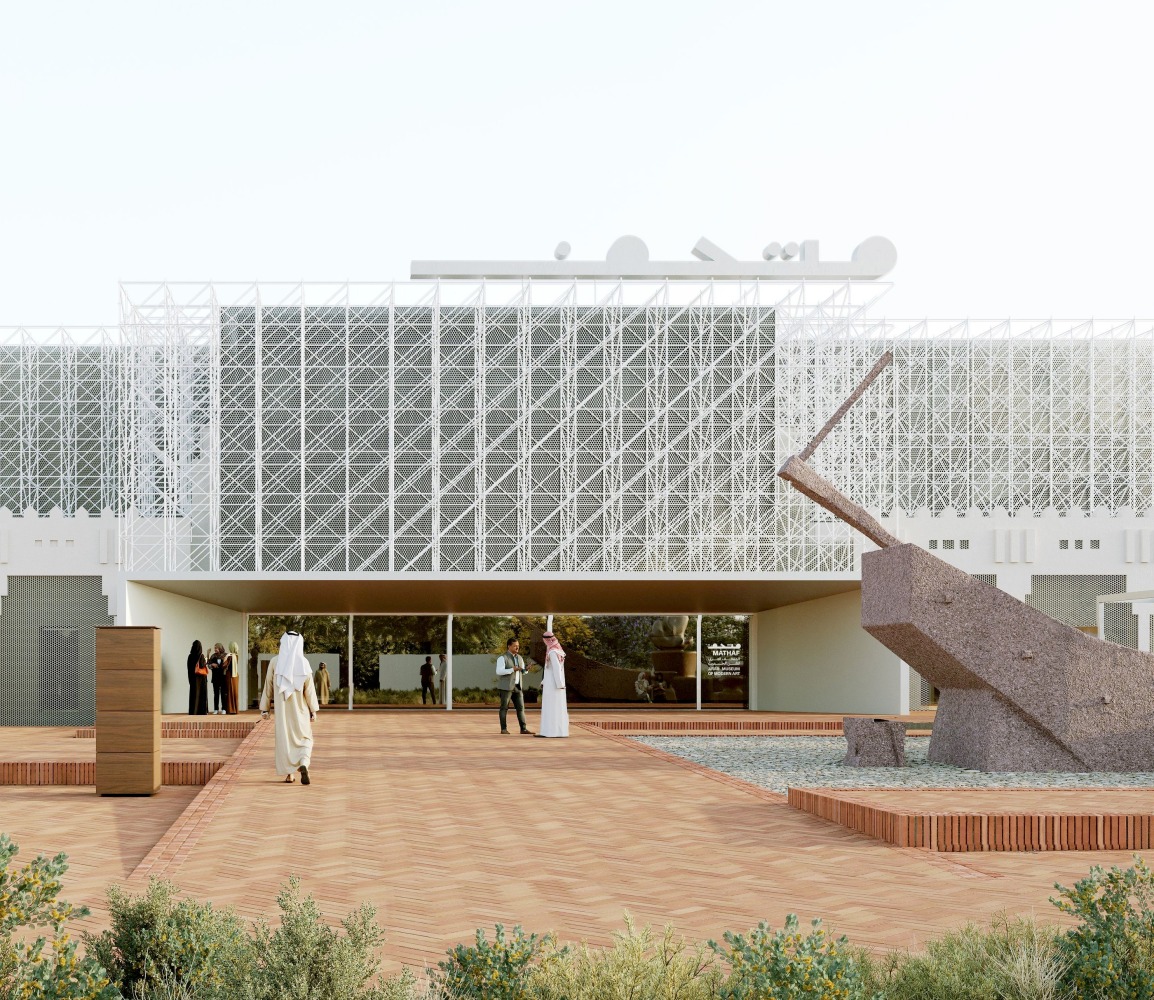

Doha, Qatar – A significant expansion is underway at Mathaf: Arab Museum of Modern Art, poised to solidify its position as a leading global center for modern and contemporary art from the Arab world. The phased project, spearheaded by renowned architect Lina Ghotmeh, begins with the unveiling of a new library and conversation space and will ultimately transform the museum into a hub for artistic creation as well as display. The expansion coincides with the museum’s 15th anniversary celebration.
The initial phase, inaugurated on December 16th, focuses on enhancing visitor experience and community engagement. Future stages will convert the existing parking area and plaza into dedicated studio facilities for artists working across various disciplines, including ceramics, glass, sound, and textiles. This development signals a broadening scope for Mathaf, moving beyond preservation and exhibition to actively fostering art production.
Mathaf Expansion: A New Era for Arab Modern Art
According to Qatar Museums, the expansion is a key component in the nation’s ongoing investment in its creative economy. Zeina Arida, Director of Mathaf, stated the development will “enhance visitor experience, strengthen community engagement and reinforce Qatar’s investment.” This aligns with national strategies focused on cultural enrichment and economic diversification.
Building on a Legacy
Established in 2010, Mathaf has quickly become a vital resource for scholars, artists, and the public interested in the history and evolution of Arab modernism. The museum’s collection features significant works by artists from across the region, spanning the period from the 1940s to the present. The expansion aims to complement and amplify this existing strength.
The newly opened library is designed as a majlis – a traditional Arab gathering space – encouraging dialogue and research. It offers access to Mathaf and Qatar Museums publications, alongside a curated selection of art books. A redesigned book and gift shop, operated by QC+, and a new café further contribute to a more welcoming and accessible environment.
Lina Ghotmeh’s Vision for Transformation
The selection of Lina Ghotmeh as the lead architect reflects a commitment to innovative and culturally sensitive design. Ghotmeh is also the architect behind the forthcoming Qatar Pavilion for the Venice Biennale, demonstrating Qatar’s trust in her artistic vision. She described the project as an opportunity to create an “active Museum of making and learning,” extending Mathaf’s role beyond simply presenting finished works.
Ghotmeh’s studio, Lina Ghotmeh – Architecture, is known for its contextual approach and emphasis on materiality. While specific design details for the studio facilities are not yet available, it is anticipated that they will incorporate sustainable practices and reflect the unique character of the surrounding environment. This approach to contemporary art design is becoming increasingly valued globally.
The expansion isn’t solely about physical space; it’s also about fostering a dynamic ecosystem for art and culture. The inclusion of dedicated spaces for ceramics, glass, sound, and textiles indicates a desire to support diverse artistic practices and encourage experimentation. The sound residency program, in particular, represents a novel addition to the museum’s offerings, potentially attracting a new generation of artists and audiences.
This move further positions Qatar as a key player in the global museum landscape, not only as a collector and exhibitor but as a producer and incubator of artistic talent. The country has been actively investing in cultural infrastructure, including the National Museum of Qatar and the Museum of Islamic Art.
Looking ahead, the development of the studio facilities will be the next major milestone for the Mathaf expansion. While a precise completion date hasn’t been announced, Qatar Museums anticipates the project will be fully realized over the next few years. The long-term impact of this expansion on the region’s art scene, and the ways Mathaf interacts with its community, will be a point of keen observation for industry professionals.
Qatar Museums has confirmed ongoing evaluation of the project’s impact on visitor numbers and community participation, data which will inform future programming decisions.