






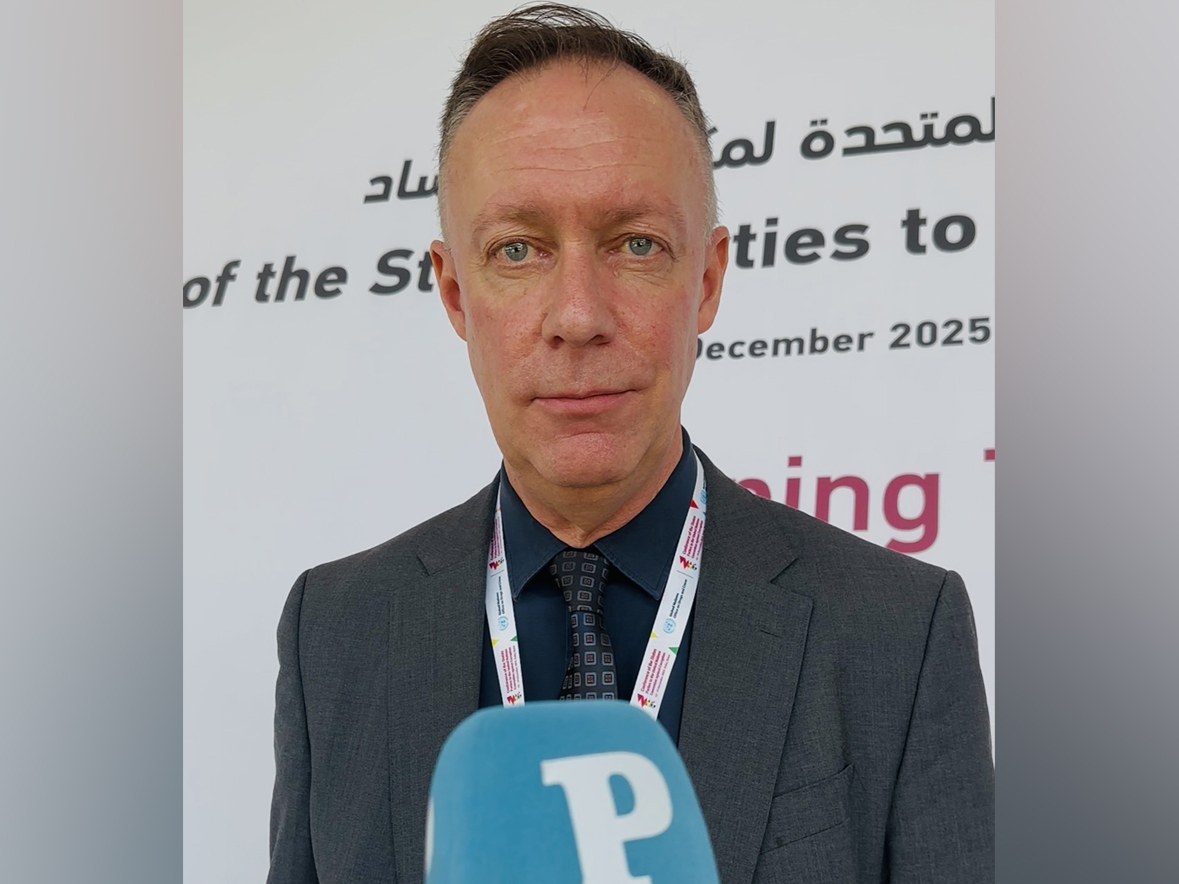

Doha, Qatar – The ongoing Eleventh Session of the Conference of the States Parties to the United Nations Convention against corruption is highlighting the critical need for international collaboration in combating financial crimes. A senior United Nations official has commended Qatar’s consistent support for global anti-corruption initiatives and its strong partnership with the UN Office on Drugs and Crime (UNODC). The conference, currently underway in Doha, aims to strengthen international frameworks for preventing and addressing illicit financial flows.
The UNODC official, Jason Reichelt, spoke to media outlets on the sidelines of the event, acknowledging Qatar’s pivotal role in hosting the Conference for the second time and previously hosting the 2015 UN Crime Congress. According to Reichelt, Qatar’s hosting of these significant international gatherings demonstrates a long-term commitment to fighting corruption on a global scale.
The Evolving Landscape of Global Corruption
Corruption remains a persistent and evolving threat to international security and economic development. It is not simply a matter of bribery, but encompasses a wide range of illicit activities, including money laundering, embezzlement, and abuse of power. The UNODC recognizes that a single nation cannot effectively tackle this transnational issue alone.
One of the most significant current trends, Reichelt indicated, is the acceleration of illicit financial movements through modern financial technology. This speed makes tracing, seizing, and recovering assets significantly more challenging, especially for countries lacking advanced technological resources and expertise. This presents a formidable obstacle to efforts aimed at dismantling corruption networks.
Demand for Technological Solutions
There is a growing demand from UNODC partner countries for assistance in utilizing technology and artificial intelligence to counter corruption. This includes applications in investigative work, but crucially also in preventative measures. Strengthening internal state systems, particularly in areas prone to corruption like public procurement, is now considered a key priority.
The COVID-19 pandemic underscored the importance of robust oversight in emergency spending. According to the UNODC, technology and AI can now be implemented to create verifiable audit trails, scrutinizing bidding processes and monitoring the delivery of procured goods to ensure transparency and accountability. Such proactive systems can reduce opportunities for corruption before they occur.
The Importance of Multi-Stakeholder Partnerships
The UNODC emphasizes a comprehensive, whole-of-society approach to combating