





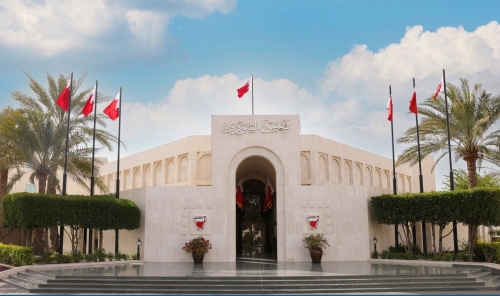

The Shura Council in Bahrain is set to review the audited 2023 accounts of the Unemployment Insurance Fund and debate a crucial proposed amendment to the Labour Market Law today. This review signals ongoing efforts to refine Bahrain’s economic policies and ensure effective social safety nets for its citizens. The discussions will centre around the fund’s financial health, transparency in reporting, and the potential impact of legislative changes on the nation’s workforce and economic flexibility.
Unemployment Insurance Fund: A Healthy Financial Position in 2023
The Financial and Economic Affairs Committee’s report, based on the Social Insurance Organisation’s approved financial statements for the year ending December 31, 2023, paints a positive picture of the Unemployment Insurance Fund. The committee has recommended approval of the audited report, highlighting a robust financial standing. This is the first time the fund’s accounts have been presented to the legislative authority under Article 9, paragraph (e) of the Decree-Law on Unemployment Insurance, marking a new level of scrutiny and accountability.
Specifically, the 2023 figures demonstrate a significant surplus, with contributions exceeding benefits by approximately BD54.4 million. This represents an improvement over the BD51.3 million surplus recorded in 2022, indicating the fund’s continued ability to effectively manage resources and fulfil its core purpose: providing financial security to citizens facing job loss.
Calls for Enhanced Transparency and Reporting
While the committee lauded the fund’s financial performance, it also identified areas for improvement in its reporting practices. A key recommendation focuses on aligning the presentation of assets with International Financial Reporting Standards (IFRS). This means clearly distinguishing between current and non-current assets in the statement of net assets.
Such a change, the committee argues, would significantly enhance financial analysis, improve disclosure and transparency, and facilitate easier comparisons with similar funds both regionally and internationally. This increased clarity is vital for informed decision-making by stakeholders, including government officials, employers, and citizens.
Furthermore, the committee noted the absence of a statement of comprehensive income – commonly known as the profit and loss statement – from the audited financial statements. Its inclusion was strongly recommended to provide a complete and accurate overview of the fund’s financial performance.
Labour Market Law Amendment: Concerns Over Flexibility
Alongside the review of the Unemployment Insurance Fund, the Shura Council will also examine a draft law amending Article 4 of Law No. 19 of 2006, concerning the regulation of the labour market. This proposed amendment originates from a proposal submitted by Parliament and aims to address workforce nationalisation. However, the Services Committee of the Shura Council has voiced strong opposition to the draft law in its current form.
The primary concern revolves around the introduction of a fixed numerical cap on work permits. The committee believes this would unduly restrict the flexibility of the Bahrain labour market and hinder its ability to respond effectively to evolving economic conditions. They argue that a rigid cap could stifle economic growth and make it more challenging for businesses to operate efficiently.
Balancing Nationalisation with Economic Needs
The Services Committee emphasized that a successful workforce nationalisation strategy requires a nuanced and integrated approach. They advocate for policies that focus on targeted training programs, continuous skills development, wage support initiatives, and incentives for employers to hire Bahraini nationals. These measures, they believe, will foster a sustainable increase in Bahrainisation rates without compromising economic competitiveness.
The committee also raised concerns about the potential impact of a strict cap on the rights of Bahraini employers. They argued that limiting their ability to secure necessary work permits could impede their efforts to expand operations, increase production, and contribute to the nation’s overall economic development. Maintaining a permissive rule, allowing for adjustments based on economic needs, is seen as a more pragmatic solution.
The committee pointed out that even with a cap in place, governing bodies responsible for national plans could potentially set the limit high enough to accommodate both anticipated and unforeseen requirements over a four-year period, effectively rendering the cap a symbolic gesture rather than a practical constraint.
The Path Forward: Collaborative Policy Making
The Shura Council’s deliberations on both the Unemployment Insurance Fund and the Labour Market Law amendment underscore the importance of careful consideration and collaborative policy making. The 2023 amendment to the legislative process, aimed at strengthening cooperation between the legislative and executive branches, has clearly facilitated a more thorough review of these critical issues.
The ongoing discussion regarding the Unemployment Insurance Fund and the proposed changes to the labour market regulations highlight Bahrain’s commitment to adapting its economic policies to meet the challenges of a dynamic global landscape. The Council’s recommendations, once finalized, will undoubtedly play a significant role in shaping the future of work and social welfare in the Kingdom.
Ultimately, the goal is to create a robust and sustainable economic environment that benefits both Bahraini citizens and the nation as a whole. The Shura Council’s role in providing oversight and proposing thoughtful amendments is crucial to achieving this objective.