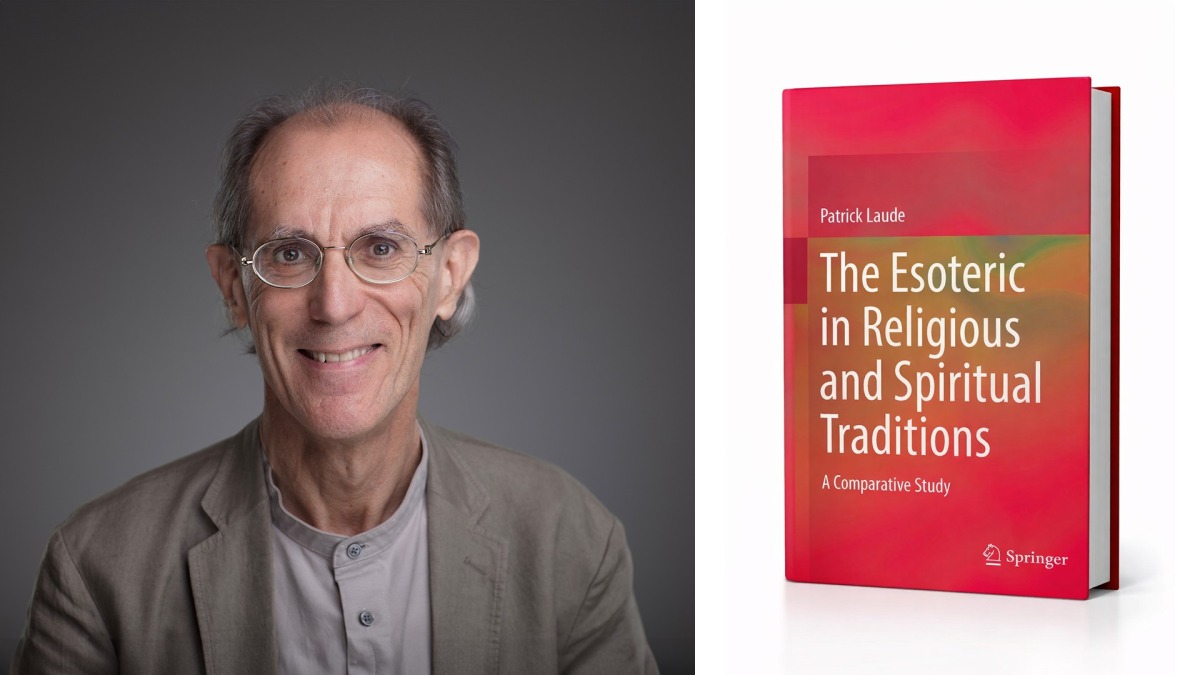

Doha, Qatar – Georgetown University in Qatar Professor of Theology and Religious Studies, Dr. Patrick Laude, is offering a new perspective on the role of faith in modern society with the release of his latest book. The Esoteric in Religious and Spiritual Tradition – A Comparative Study, published by Springer in 2025, explores the enduring relevance of the “esoteric” – the inner dimensions of religion – across multiple belief systems. The book aims to provide a framework for understanding how individuals navigate increasingly diverse approaches to spirituality and religious practice.
The book’s release comes as many grapple with evolving religious landscapes and a search for meaning in a rapidly changing world. According to Dr. Laude, contemporary religious consciousness often finds itself pulled between a desire for traditional foundations and a growing interest in more individualized spiritual experiences. This tension is a key focus of his research.
Understanding the Esoteric in Global Religions
Dr. Laude’s work centers on the idea that the esoteric isn’t a fringe element of religion, but rather a fundamental human drive to connect with the source of spiritual inspiration. He argues that this pursuit of inner knowledge and realization is a recurring theme throughout religious history. The book specifically examines the esoteric traditions within Buddhism, Christianity, Hinduism, and Islam, identifying both unique characteristics and common threads.
The professor spent four decades researching the intersection of various religions, culminating in this comprehensive study. He developed a comparative framework to rigorously define the concept of “esoteric” and assess its applicability across different faiths. This framework moves beyond common stereotypes that often portray esoteric practices as obscure or elitist, according to the publisher.
Key Unifying Principles
The research highlights six core principles that appear consistently across the examined traditions. These include the belief in humanity’s capacity to achieve wholeness through direct spiritual experience, the concept of an underlying unity in reality, and the acceptance of both empirical observation and ultimate truth as valid perspectives.
These principles, Dr. Laude suggests, can offer guidance in an era marked by religious confusion and fragmentation. He posits that recognizing these shared orientations can help bridge divides and foster a deeper understanding of the human quest for meaning. The book also touches upon the concept of spiritual knowledge as something actively recovered, rather than passively received.
The study of religion, particularly its less-discussed inner aspects, is gaining traction in academic circles as societies become increasingly pluralistic. This growing interest reflects a desire to understand the diverse ways individuals experience and interpret faith. Relatedly, the field of comparative theology benefits from nuanced analyses like Dr. Laude’s, which move beyond superficial comparisons to identify underlying structures of belief.
Furthermore, the book’s exploration of the esoteric may resonate with individuals identifying as “spiritual but not religious,” a demographic that has been steadily growing in recent years. This group often seeks personal meaning and connection outside of traditional religious institutions, and the concept of direct spiritual experience could be particularly appealing. The increasing focus on spirituality in modern life underscores the need for frameworks that can accommodate both traditional and non-traditional forms of faith.
The publication of The Esoteric in Religious and Spiritual Tradition – A Comparative Study is expected to contribute significantly to ongoing scholarly discussions about the nature of religious experience and the enduring power of esoteric traditions. It offers a new lens through which to view the complexities of faith in the 21st century.
Looking ahead, the impact of Dr. Laude’s work will likely be seen in future research and academic discourse on the topic. The book is scheduled for release in early 2025, and its reception within the academic community and among a broader readership will be closely watched. Further analysis and debate surrounding his proposed framework are anticipated as scholars engage with his findings.