






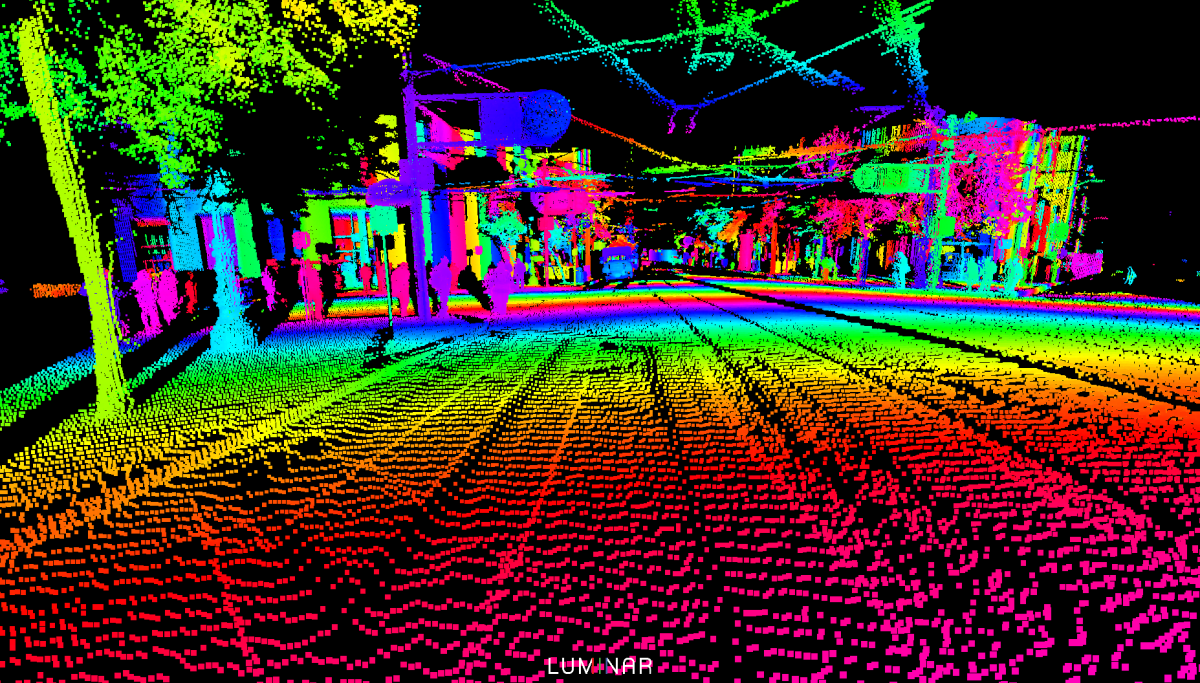

Lidar company Luminar has filed for Chapter 11 bankruptcy protection, marking a significant downturn for a firm once considered a leader in the self-driving technology space. The filing, made Monday in the Southern District of Texas, follows months of financial struggles, layoffs, and a contentious legal dispute with automotive manufacturer Volvo. Luminar intends to sell off its lidar business as part of the bankruptcy proceedings.
Luminar Files for Bankruptcy: A Tumultuous Year
The bankruptcy represents a dramatic shift for Luminar, which went public in 2020 through a reverse merger with a valuation exceeding $3 billion. The company’s difficulties intensified in recent months, culminating in Monday’s announcement. A key factor was the termination of a substantial contract with Volvo, a major backer of the technology, in November.
Layoffs and Leadership Changes
Prior to the bankruptcy filing, Luminar underwent considerable internal restructuring. In May, founder Austin Russell resigned as CEO following an internal ethics review, though he remained on the board of directors. This was accompanied by a 25% reduction in the company’s workforce, the second such layoff within the year. Adding to the pressure, Luminar’s chief financial officer also departed.
The Volvo Contract Cancellation & Legal Battles
The loss of Volvo’s contract proved particularly devastating. Luminar filed a lawsuit against Volvo in response to the cancellation, alleging breach of contract. However, the company itself faces a legal claim from the contract manufacturer responsible for producing its lidar sensors, further complicating its financial situation. The fallout has highlighted the challenges faced in scaling autonomous vehicle technologies and securing long-term partnerships within the automotive industry.
From High Valuation to Restructuring: Understanding Luminar’s Decline
Luminar’s initial success was fueled by substantial investment in the promising, but ultimately slower-moving than expected, autonomous vehicle market. Self-driving tech, including lidar, required significant capital expenditure, and the path to full Level 5 automation proved far more complex and expensive than early projections suggested. This created a challenging environment for companies like Luminar, reliant on large automotive contracts to sustain operations.
Additionally, companies across the technology sector, especially those focused on high-growth but unproven areas, faced increased scrutiny from investors in late 2023 and early 2024. Concerns over profitability and sustainable business models led to a pullback in funding and a reassessment of valuations, impacting Luminar’s ability to secure further investment.
Russell AI Labs’ Potential Bid
Interestingly, Austin Russell, through his newly formed Russell AI Labs, expressed interest in acquiring Luminar prior to its bankruptcy filing. A spokesperson for Russell AI Labs stated that the firm, in partnership with a larger technology company, made a proposal to “preserve and create shareholder value,” but this was ultimately rejected. Russell still intends to bid for the company’s assets during the court-supervised sale process.
Financial Implications and Outstanding Debts
Bankruptcy filings indicate that Luminar lists between $100 million and $500 million in assets, but also substantial liabilities, estimated between $500 million and $1 billion. These liabilities included a $10 million debt to Scale AI, a company specializing in data labeling, and over $1 million owed to Applied Intuition, another AI software provider. This financial strain ultimately led to the Chapter 11 filing.
The company has stated its intention to operate throughout the bankruptcy process, aiming to minimize disruption for suppliers and customers. The planned sale of the lidar business is expected to be a key component of the restructuring plan.
A separate deal to sell Luminar’s semiconductor subsidiary has already been reached. This suggests the company is focused on divesting assets that are not core to its long-term strategy, or that are proving less viable given the current market conditions. Companies focusing on autonomous driving solutions are observing this situation closely, as it could influence future investment and partnerships in the sector.
The next critical step is the court-supervised sale process, where Luminar will seek buyers for its remaining assets. The outcome of this process, and whether Austin Russell’s Russell AI Labs will successfully acquire the company, remains uncertain. The automotive industry will be watching to see how the lidar technology and intellectual property are distributed, and what impact this restructuring will have on the broader development of self-driving capabilities.
Furthermore, the resolution of the legal dispute with Volvo will be a key indicator of the future landscape for lidar adoption in the automotive sector.