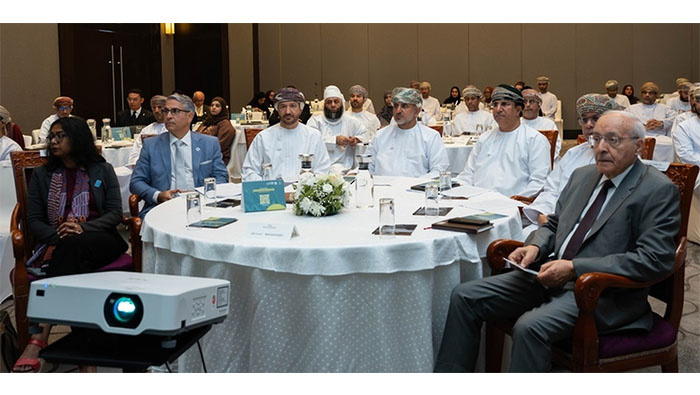

Oman is actively strengthening its commitment to food security and sustainable development through enhanced collaboration with the United Nations Food and Agriculture Organisation (FAO). The Ministry of Agriculture, Fisheries and Water Resources recently hosted a crucial workshop focused on the draft framework for the Oman-FAO Country Cooperation Programme spanning 2026-2030, signaling a proactive approach to navigating the challenges faced by the nation’s agricultural and water sectors. This initiative comes at a pivotal time as Oman aims to bolster its resilience against increasingly complex environmental, climatic, and economic pressures.
Developing the Oman-FAO Country Cooperation Programme: A Strategic Partnership
The workshop, titled “Promoting Innovation for Food Security,” brought together a diverse group of stakeholders including government officials, private sector representatives, academics, researchers, and members of civil society. Under the auspices of Eng. Ali bin Mohammed Al Abri, Undersecretary of the Ministry of Agriculture, Fisheries and Water Resources for Water Resources, the event centered on the third iteration of the Country Framework Document for Cooperation with the FAO. The overarching aim is to align the program with Oman’s national development priorities and reinforce integration across crucial sectors related to food, water, and sustainable practices.
Addressing Key National Priorities
Discussions during the workshop underscored the vital need for a collaborative approach to tackle the multifaceted challenges impacting Oman’s progress. These challenges, particularly those arising from climate change and economic fluctuations, demand robust national strategies and effective partnerships to ensure long-term sustainability. The Oman-FAO Country Cooperation Programme is intended to be a cornerstone of this strategy, providing a framework for targeted support and investment.
A Model of International Cooperation
Dr. Mahira Ali Al Zadjali, Director of the Strategic Planning Department at the Ministry, highlighted the significance of the ongoing partnership between Oman and the FAO. She described the relationship as a “model of international partnership” founded on knowledge sharing and meticulous planning, which has already contributed significantly to shaping national policies and empowering various sectors. This collaboration is proving instrumental in preparing the nation to effectively respond to environmental, climatic, health, and economic shifts.
Furthermore, she emphasized the role of the FAO in strengthening Oman’s capacity to proactively address these ongoing and emerging concerns. Building resilience and promoting innovative solutions were key themes referenced during her speech.
Alignment with National and UN Development Goals
Dr. Thaer Yaseen, the FAO Representative in Oman (ad interim), articulated the strategic importance of the 2026-2030 Oman-FAO Country Cooperation Programme. He stated that the programme directly reflects Oman’s priorities, particularly as outlined in the 11th Five-Year Plan, as well as the broader United Nations Framework of Cooperation for Sustainable Development.
The FAO’s commitment, Dr. Yaseen explained, is to support Oman’s transition towards more efficient, inclusive, resilient, and sustainable food and agricultural systems. This objective directly aligns with the FAO Strategic Framework 2022-2031 and its global vision for a world free from hunger and malnutrition—a vital element of Oman’s overall vision for a prosperous future. Agricultural development will be key.
Core Pillars of the Future Programme
According to Dr. Nashwan Abdul-Razzaq, Senior Project Adviser and Project Manager responsible for preparing the Country Programme Framework, the initiative serves as a crucial strategic planning tool. It will guide the FAO’s technical support and related programmes, ensuring they are closely aligned with Oman’s national strategies and Sustainable Development Goals (SDGs).
Dr. Abdul-Razzaq elaborated on the core pillars of the framework, which include:
- Sustainable agriculture and fisheries
- Climate change resilience in food systems
- Sustainable management of water resources
- Empowering rural communities
- Developing appropriate public policies and institutional frameworks
The timing of the framework’s implementation, coinciding with the 11th Five-Year Plan, is considered optimal to maximize synergy and impact across various development initiatives. This synchronized approach will enable focused efforts and efficient resource allocation.
The Path Forward: Innovation and Sustainable Solutions
The workshop concluded with a consensus on the need to foster innovation across Oman’s food and agriculture sectors. Participants acknowledged that embracing new technologies, promoting sustainable practices, and enhancing collaboration are critical to achieving long-term food security and environmental sustainability. The Oman-FAO Country Cooperation Programme will undoubtedly serve as a significant catalyst in driving these necessary changes. Strengthening food systems and addressing water scarcity remain top priorities.
With robust stakeholder engagement and a clear strategic direction, the programme promises to deliver tangible benefits to Oman, solidifying its position as a leader in sustainable development and food security in the region. Continued dialogue and partnership will be essential to refine the framework and ensure its successful implementation over the coming years. The collaboration aims to strengthen Oman’s long-term climate resilience and promote sustainable practices within its important agricultural sector.
To learn more about Oman’s national development plans and its commitment to sustainability, explore the resources available on the Ministry of Agriculture, Fisheries and Water Resources website. Stay engaged with ongoing initiatives and contribute to building a more food-secure and environmentally sustainable future for the Sultanate.