
The Bahraini government is actively working to increase the representation of its citizens within the public sector, and recent data demonstrates significant progress. A new report reveals a 29% decrease in non-Bahraini government jobs over the past six years, falling from 7,582 in 2019 to 5,361 currently. This shift reflects a focused strategy by the Civil Service Bureau (CSB) to prioritize qualified Bahraini candidates while maintaining the quality and efficiency of public services. The move is part of a broader national effort towards ‘Bahrainisation’ – increasing the number of Bahraini nationals employed across all sectors.
Decline in Expatriate Employment in Bahrain’s Civil Service
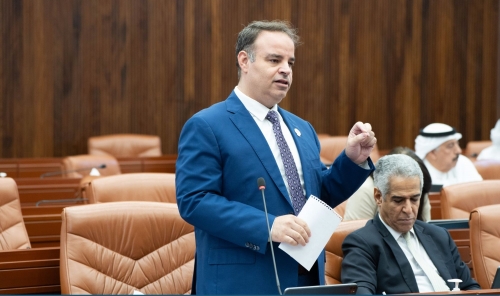
The reduction in non-Bahraini government jobs isn’t a result of arbitrary cuts, but a deliberate process of replacement as qualified Bahraini nationals become available. The CSB clarified this in a response to a parliamentary question posed by MP Dr. Hisham Al Ashiri, emphasizing that public service delivery remains unaffected. This proactive approach ensures continuity while simultaneously fostering national talent.
The CSB works closely with various ministries and public bodies governed by the Civil Service Law, providing Bahraini candidates for open positions. This collaboration is key to the success of the Bahrainisation initiative. The bureau doesn’t simply aim to reduce expatriate numbers; it focuses on building a skilled and capable national workforce.
Significant Increase in Bahraini Hiring
Alongside the decrease in expatriate employment, the CSB reported a substantial increase in the hiring of Bahraini nationals. From January 2023 to the present, 3,884 new staff members were appointed across ministries, authorities, and public institutions, with an impressive 95% being Bahraini citizens.
Focus on Key Sectors
A significant portion of these new hires – approximately 2,850, or 73% – were concentrated in the vital sectors of health and education. Within these two areas, Bahrainis filled 93% of the newly created positions. This demonstrates a strong commitment to developing local expertise in fields crucial for the nation’s progress. The focus on these sectors highlights the government’s investment in the well-being and future of its citizens.
Strategic Retention of Expatriate Specialists
While prioritizing Bahraini talent, the CSB acknowledges the need for specialized skills that may not always be readily available within the country. The Civil Service Law, specifically Article 11, allows for the recruitment of expatriate workers on short-term contracts when no suitably qualified Bahraini candidate can be found.
However, this is not a long-term solution. A crucial condition of these contracts is the training and development of Bahraini nationals to eventually fill these roles. This knowledge transfer ensures that Bahrain can build its own capacity in these specialized areas.
The roles currently filled by expatriates are largely in niche fields, including:
- Consultant doctors
- Cardiac perfusion roles
- Neuro testing
- Genome science
- Prosthetics
- Academic posts in higher education
- Aviation security and safety
- Water geology and geophysics
- Marine and air surveying
Streamlining Recruitment and Promoting Internal Mobility
The CSB is also actively working to improve the overall efficiency and fairness of the recruitment process. They’ve published six local job advertisements through their social media channels in response to requests from government entities. All hiring decisions are based on genuine needs, verified against approved structures, staffing ceilings, and budgets, and aligned with established civil service standards.
Furthermore, the CSB has implemented initiatives to encourage internal mobility within the government. The ‘Shawagher’ internal vacancy service, accessible through the CSB’s online portal, allows current government employees to apply for better roles. This is supported by the ‘GovEmployee’ app, which has published 486 job announcements since January 2023. These efforts align with a Cabinet decision mandating internal advertising before external recruitment, maximizing opportunities for Bahraini professionals already within the system.
The recruitment process itself is overseen by a CSB representative during interviews, ensuring transparency and adherence to fair practices. This oversight is a key component of building trust and confidence in the system.
In conclusion, the significant reduction in non-Bahraini government jobs is a clear indication of Bahrain’s commitment to empowering its citizens and building a sustainable, nationally-driven public sector. By prioritizing the hiring and development of Bahraini talent, while strategically retaining essential expatriate specialists for knowledge transfer, the government is laying the foundation for long-term economic and social growth. The ongoing improvements to the recruitment process, including the promotion of internal mobility, further solidify this commitment. For more information on government employment opportunities in Bahrain, visit the Civil Service Bureau website and explore the ‘GovEmployee’ app.