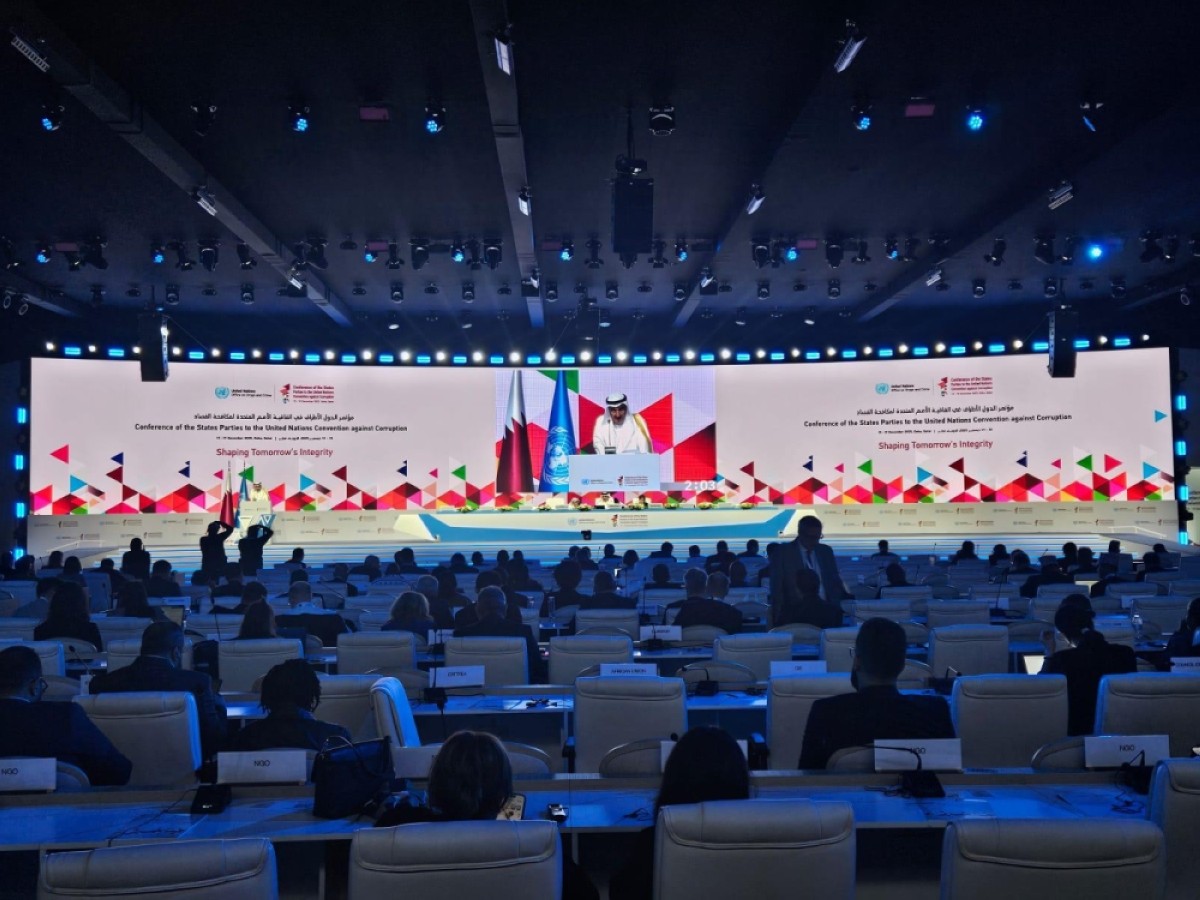

Kuwait is significantly bolstering its efforts to combat corruption, announcing the progression to the second phase of its national integrity strategy and concurrent development of a robust plan to counter money laundering and terrorist financing. This commitment was highlighted by Abdulaziz Al-Ibrahim, Head of the Kuwait Anti-Corruption Authority (Nazaha), during his address to the Conference of the States Parties to the United Nations Convention against Corruption (UNCAC) currently underway in Doha. These initiatives demonstrate Kuwait’s dedication to aligning with international standards and proactively addressing evolving financial crime risks.
Kuwait Advances National Anti-Corruption Strategy
The announcement signals a continued and intensified focus on good governance and transparency within Kuwait. Al-Ibrahim emphasized that the second phase of the national strategy builds upon existing policies, adapting them to the latest national and international developments in the fight against corruption. This proactive approach is crucial in a global landscape where corruption increasingly intersects with other forms of organized crime.
Kuwait’s commitment extends beyond preventative measures. The nation is actively updating its legal framework to ensure full compliance with the United Nations Convention against Corruption. This includes not only revising existing legislation but also enacting new laws specifically designed to strengthen the implementation of the Convention.
New Legislation to Empower Nazaha
A key development is Law No. 69 of 2025, which amends the law establishing the Public Authority for Combating Corruption (Nazaha). This amendment is designed to bolster Nazaha’s objectives, broaden its authority, and crucially, enhance its technical independence. This increased autonomy is vital for effective investigation and prosecution of corruption cases.
Additionally, Law No. 79 of 2025, concerning international judicial cooperation in criminal matters, has been enacted. This law responds directly to international requirements and recommendations, establishing clear mechanisms for receiving, executing, and exchanging cross-border judicial assistance requests. This is a significant step towards strengthening Kuwait’s ability to collaborate internationally in combating transnational crime and financial crimes.
Strengthening International Cooperation & Risk Assessment
Al-Ibrahim underscored the importance of continuous research and analysis in the fight against corruption. This includes detailed risk assessments, measuring public perceptions of corruption, and understanding the underlying causes. He specifically highlighted the growing links between corruption and other forms of organized crime, emphasizing the need for a holistic approach to tackling these interconnected challenges.
Kuwait recognizes that effective anti-corruption efforts require a collaborative global response. As head of the Kuwaiti delegation, Al-Ibrahim expressed gratitude to the conference bureau’s president and vice presidents, as well as the United Nations Office on Drugs and Crime (UNODC) for their support in assisting States Parties in fulfilling their obligations under the Convention.
Active Participation in UNCAC Discussions
The Kuwaiti delegation, led by Nazaha, is actively participating in discussions surrounding the eleven draft resolutions currently under negotiation at COSP11. Kuwait intends to support and potentially propose initiatives that contribute to combating corruption and ensuring accountability for perpetrators. This proactive engagement demonstrates Kuwait’s commitment to shaping the future of international anti-corruption efforts.
The 11th session of the Conference of the States Parties to the United Nations Convention against Corruption (COSP11) is being held under the theme “Shaping the Integrity of Tomorrow.” Over the five-day conference, participants are focusing on implementing the Convention, providing technical assistance, activating anti-corruption and asset recovery programs, and addressing the challenges of preventing corruption and fostering international cooperation. The focus on asset recovery is particularly important, as it aims to return illicitly gained funds to their countries of origin.
Looking Ahead: A Continued Commitment to Integrity
Kuwait’s ongoing efforts to strengthen its anti-corruption framework, coupled with its active participation in international forums like UNCAC, demonstrate a serious and sustained commitment to good governance and the rule of law. The implementation of the second phase of the national strategy, alongside the new legislative measures, positions Kuwait to effectively address both domestic and international challenges related to corruption and money laundering.
These developments are not merely about compliance with international standards; they represent a fundamental investment in Kuwait’s future, fostering a more transparent, accountable, and prosperous society. Further updates on Kuwait’s progress in these areas can be found on the Nazaha website and through official government channels.