
Doha, Qatar – The semi-finals of the FIFA Arab Cup Qatar 2025 concluded Monday with Jordan and Morocco securing their places in the final. The matches, held at Al Bayt Stadium and Khalifa International Stadium, drew significant crowds and pushed the tournament’s overall attendance to a record-breaking 1,119,315. This year’s FIFA Arab Cup has demonstrated strong regional interest and successful organization ahead of future major sporting events in the country.
Jordan defeated Saudi Arabia 1-0 in a tightly contested match at Al Bayt Stadium, while Morocco dominated the UAE with a 3-0 victory at Khalifa International Stadium. These results set the stage for a final showdown between the two nations on Thursday at Lusail Stadium. A third-place match between Saudi Arabia and the UAE will also be held on Thursday, at Khalifa International Stadium.
Record-Breaking Attendance Highlights Success of the FIFA Arab Cup
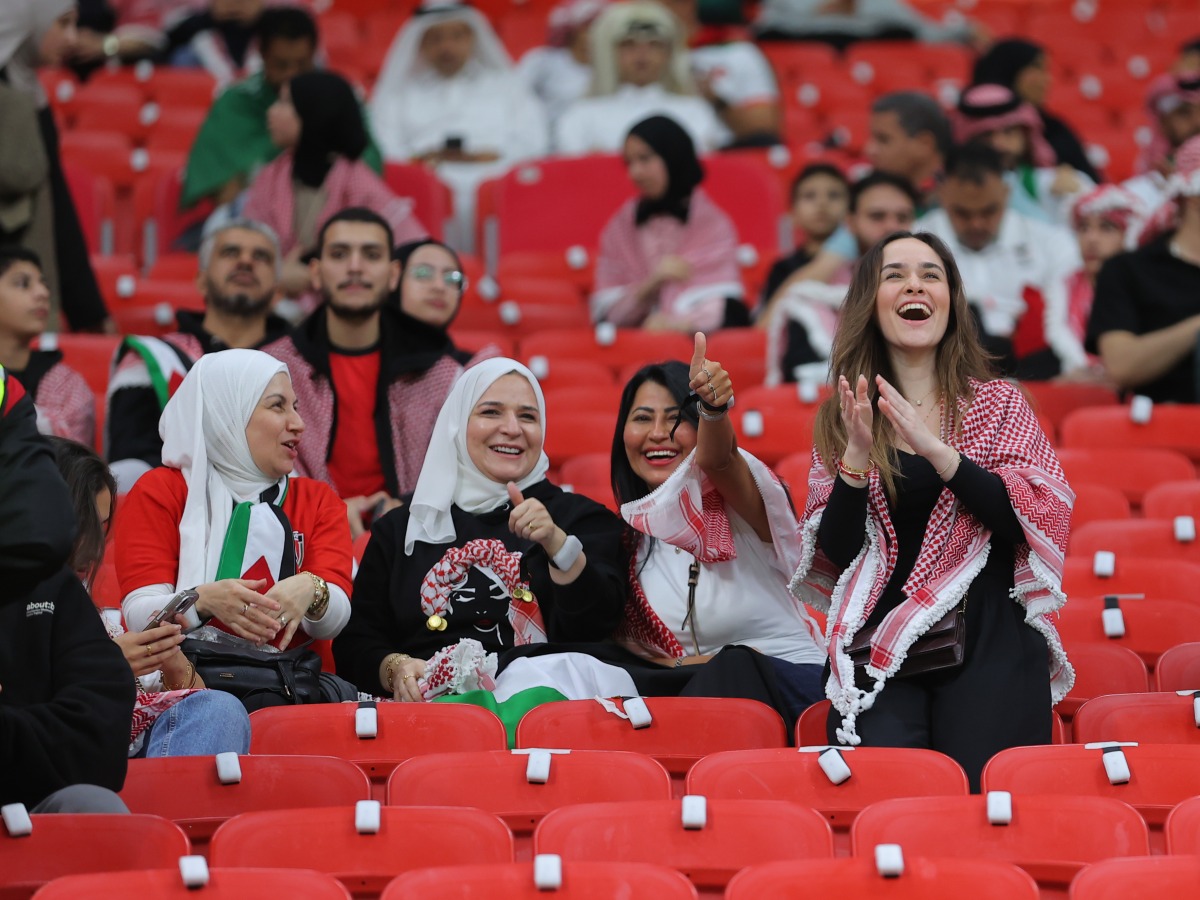
The 2025 tournament has shattered previous attendance records, signaling a growing passion for football across the Arab world. By the end of the semi-finals, a total of 1,119,315 fans had attended matches, surpassing the one million mark reached by the end of the quarter-finals (1,022,592). This represents a substantial increase from the 2021 edition held in Doha, which recorded 571,605 attendees.
The semi-final matches themselves drew a combined 96,723 spectators. The Jordan-Saudi Arabia clash saw 62,825 fans, while the Morocco-UAE game attracted 33,898. The group stage had already established a new benchmark, with 812,318 fans attending the 24 matches played.
Growth in Fan Engagement
The tournament’s popularity surged early on, exceeding the previous overall record after just 18 matches, with 598,290 fans in attendance. Including the seven preliminary matches, the overall attendance reached an impressive 1,163,940. This demonstrates a clear appetite for international football competition in the region.
The Morocco-Saudi Arabia group stage match also set a new single-match attendance record, drawing 78,131 spectators. This surpassed the previous high of 63,439 set during the Qatar-UAE quarter-final in the 2021 tournament. The increased capacity and improved infrastructure in Qatar are likely contributing factors to these higher numbers.
Beyond attendance, the tournament has also seen a high level of on-field action. Through the semi-finals, 30 matches have been played, resulting in 22 wins and 8 draws. A total of 72 goals have been scored, averaging 2.4 goals per match, indicating a competitive and exciting style of play. Disciplinary action has also been present, with 12 penalties awarded (9 converted, 3 missed), 77 yellow cards, and 11 red cards issued.
The Qatar 2025 Arab Cup serves as a crucial test event for the nation as it continues to develop its capabilities for hosting major international sporting events. The successful management of large crowds and logistical operations is a positive sign for future endeavors. The tournament also provides valuable experience for local organizers and volunteers.
Looking ahead, all eyes will be on Lusail Stadium for the final match between Jordan and Morocco on Thursday. The outcome remains uncertain, but the competition has already proven to be a resounding success in terms of fan engagement and tournament organization. Further analysis of the economic impact and long-term legacy of the event is expected in the coming months, alongside assessments of the Qatar national football team’s performance and development within the context of the competition.
The success of this tournament also highlights the growing importance of football in the Arab region and could lead to increased investment in the sport at both the national and club levels.